
Air Swept Limestone Grinding Mills: A Guide to Efficient Powder Production in China
We provide a wide range of mills — including Raymond mill, trapezoidal mill, vertical mill, ultrafine mill, and ball mill, obtained ISO9001 international quality certification, EU CE certification, and Customs Union CU-TR certification. Suitable for processing minerals such as limestone, phosphate, quicklime, kaolin, talc, barite, bentonite, calcium carbonate, dolomite, coal, gypsum, clay, carbon black, slag, cement raw materials, cement clinker, and more.
The discharge range of these mills can be adjusted to meet specific processing needs, typically from 80-400 mesh, 600-3250 mesh, and can achieve the finest particle size of up to 6000 mesh(D50).
If you are looking for a reliable grinding solution to turn stone or minerals into fine powder, please feel free to contact our online customer service.
Air Swept Limestone Grinding Mills: A Guide to Efficient Powder Production in China
The production of high-quality limestone powder is a cornerstone of numerous industries in China, from construction materials to pharmaceuticals. At the heart of this process lies the critical technology of air swept grinding mills. These sophisticated systems have revolutionized powder production by integrating grinding, drying, and classification into a single, highly efficient operation.
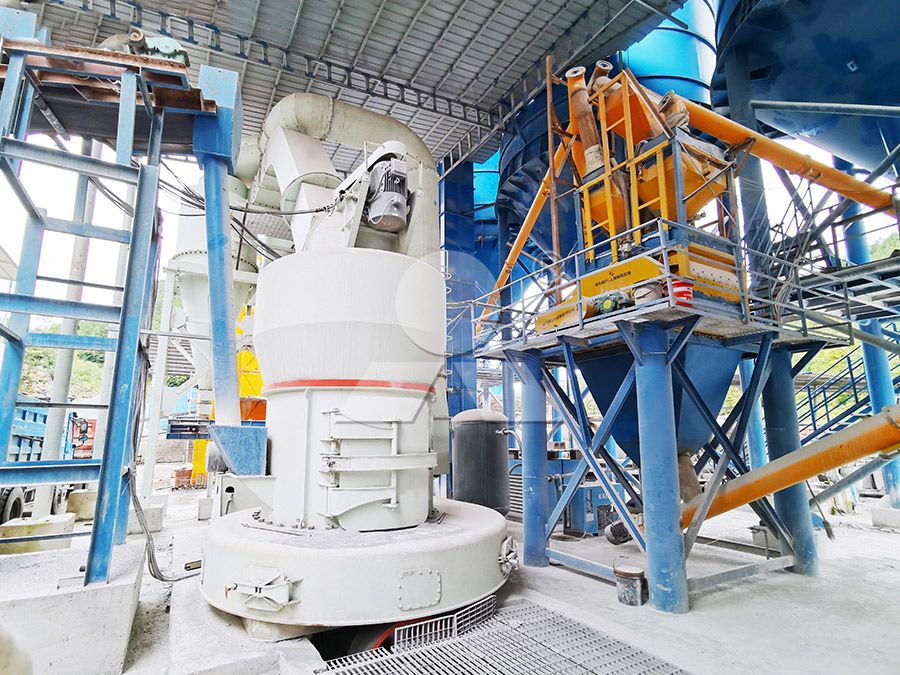
The Mechanics of Air Swept Grinding
Unlike traditional grinding systems, air swept mills utilize a stream of air to transport material through the grinding chamber. This airflow serves multiple purposes: it carries the limestone particles between the grinding elements, removes heat generated during comminution, and transports the finished powder to the classification system. The result is a continuous process that minimizes over-grinding and reduces energy consumption significantly.
In China’s competitive industrial landscape, where energy efficiency and environmental compliance are paramount, the advantages of air swept technology are particularly valuable. These systems typically consume 30-50% less energy than conventional ball mills while producing powders with more consistent particle size distributions.
Advanced Solutions for Modern Production Needs
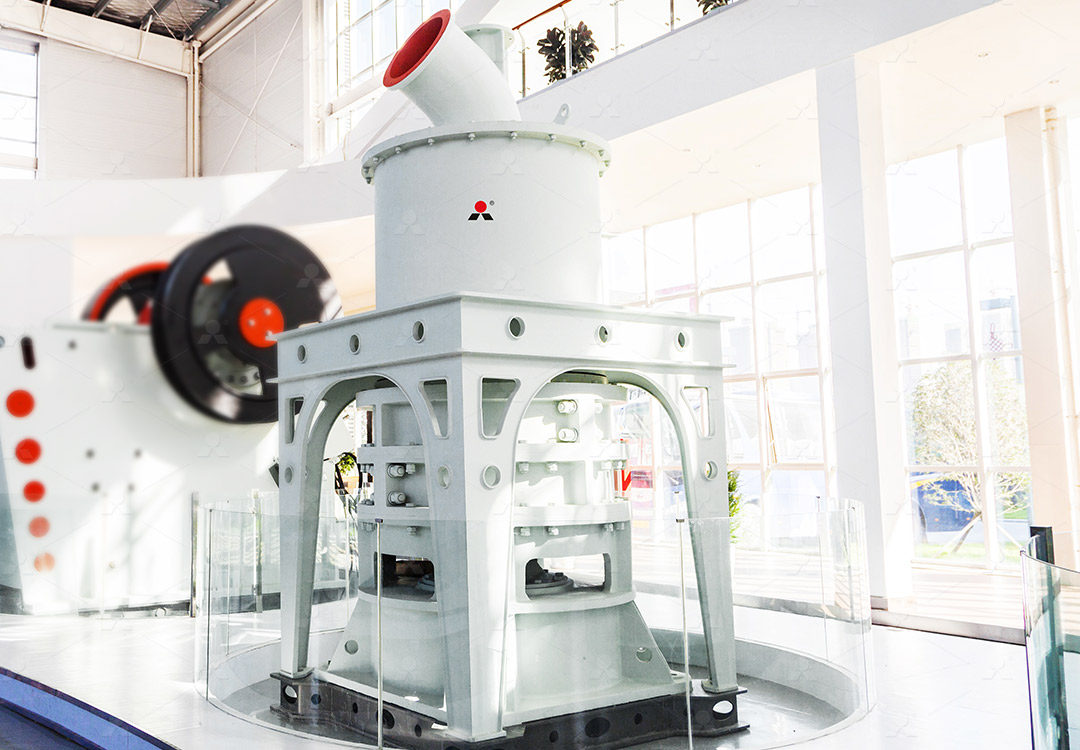
For operations requiring ultra-fine limestone powders, the MW Ultrafine Grinding Mill represents a technological leap forward. Designed specifically for customers needing to produce powders between 325-2500 meshes, this machine incorporates German cage-type powder selector technology that ensures precise particle separation. With an input size of 0-20 mm and capacity ranging from 0.5-25 tph, the MW series offers remarkable flexibility for various production scales.
What sets the MW Ultrafine Grinding Mill apart is its innovative design that eliminates rolling bearings and screws from the grinding chamber entirely. This eliminates common failure points and allows for external lubrication without shutdown, enabling continuous 24-hour operation. The integrated pulse dust collector and muffler system ensures compliance with China’s stringent environmental standards while maintaining optimal working conditions.
Vertical Integration for Maximum Efficiency
Another standout solution for limestone processing is the LUM Ultrafine Vertical Grinding Mill, which combines Taiwanese grinding roller technology with German powder separating expertise. This vertical mill design occupies minimal floor space while delivering capacities of 5-18 tph with input sizes up to 10 mm. Its unique roller shell and lining plate grinding curve promote efficient material layer formation, resulting in higher yield rates and superior product whiteness.
The LUM series incorporates double position-limiting technology that prevents destructive impacts between grinding components during unexpected vibration events. This protection system, combined with a reversible structure that simplifies maintenance, ensures exceptional operational stability and reduced downtime—critical factors for maintaining production schedules in China’s fast-paced industrial environment.
Environmental Considerations and Operational Benefits
Modern air swept grinding mills address two of China’s primary industrial concerns: energy consumption and environmental impact. The closed-system design prevents dust emissions, while advanced noise reduction technologies create safer working environments. The ability to dry and grind simultaneously eliminates the need for separate drying equipment, further reducing the carbon footprint of powder production operations.
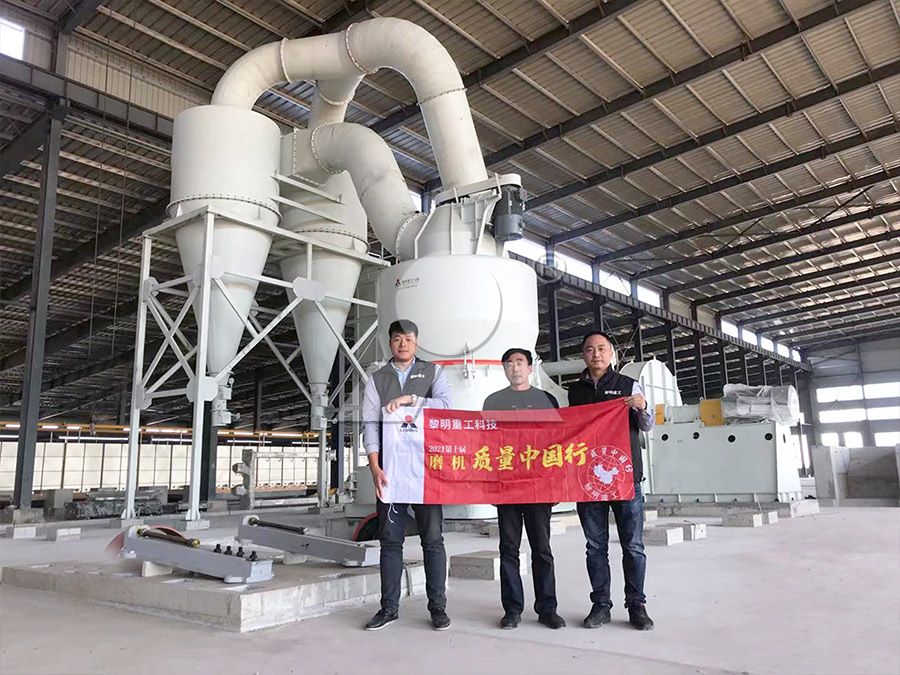
Digitalization plays an increasingly important role in optimizing these systems. Numerical control machining ensures precision manufacturing of core components, while PLC-based control systems allow operators to fine-tune grinding parameters for different limestone characteristics. This level of control enables producers to quickly adapt to varying raw material qualities while maintaining consistent product specifications.
Frequently Asked Questions
What is the typical energy savings compared to traditional ball mills?
Air swept grinding mills typically reduce energy consumption by 30-50% compared to conventional ball mills, with some advanced models achieving even greater efficiency.
How fine can limestone powder be produced with these systems?
Modern systems like the MW Ultrafine Grinding Mill can produce powders ranging from 325 to 2500 meshes, with some configurations achieving d97≤5μm in a single pass.
What maintenance advantages do these mills offer?
Features like external lubrication systems, reversible grinding rollers, and the elimination of internal bearings significantly reduce maintenance requirements and associated downtime.
How do these systems address environmental regulations?
Integrated pulse dust collectors, mufflers, and closed-system designs ensure compliance with China’s strict environmental standards regarding dust emissions and noise pollution.
Can these mills handle variations in limestone moisture content?
Yes, the simultaneous drying and grinding capability allows these systems to process limestone with varying moisture levels without requiring pre-drying equipment.