
How to Choose a 200-Mesh High-Efficiency Pulverized Coal Mill
We provide a wide range of mills — including Raymond mill, trapezoidal mill, vertical mill, ultrafine mill, and ball mill, obtained ISO9001 international quality certification, EU CE certification, and Customs Union CU-TR certification. Suitable for processing minerals such as limestone, phosphate, quicklime, kaolin, talc, barite, bentonite, calcium carbonate, dolomite, coal, gypsum, clay, carbon black, slag, cement raw materials, cement clinker, and more.
The discharge range of these mills can be adjusted to meet specific processing needs, typically from 80-400 mesh, 600-3250 mesh, and can achieve the finest particle size of up to 6000 mesh(D50).
If you are looking for a reliable grinding solution to turn stone or minerals into fine powder, please feel free to contact our online customer service.
Navigating the Selection of a High-Efficiency Coal Mill
Choosing the right pulverized coal mill is a critical decision that directly impacts operational efficiency, product quality, and overall production costs. For applications requiring a fine output of 200 mesh (approximately 74 microns), the selection criteria become even more specific. This article outlines the key factors to consider, helping you make an informed choice for your specific needs.
Key Considerations for 200-Mesh Coal Grinding
The primary goal is to achieve a consistent 200-mesh fineness with maximum energy efficiency and minimal operational downtime. Key performance indicators include grinding efficiency, energy consumption, maintenance requirements, and the system’s ability to handle the feed material’s characteristics, such as moisture content and hardness.
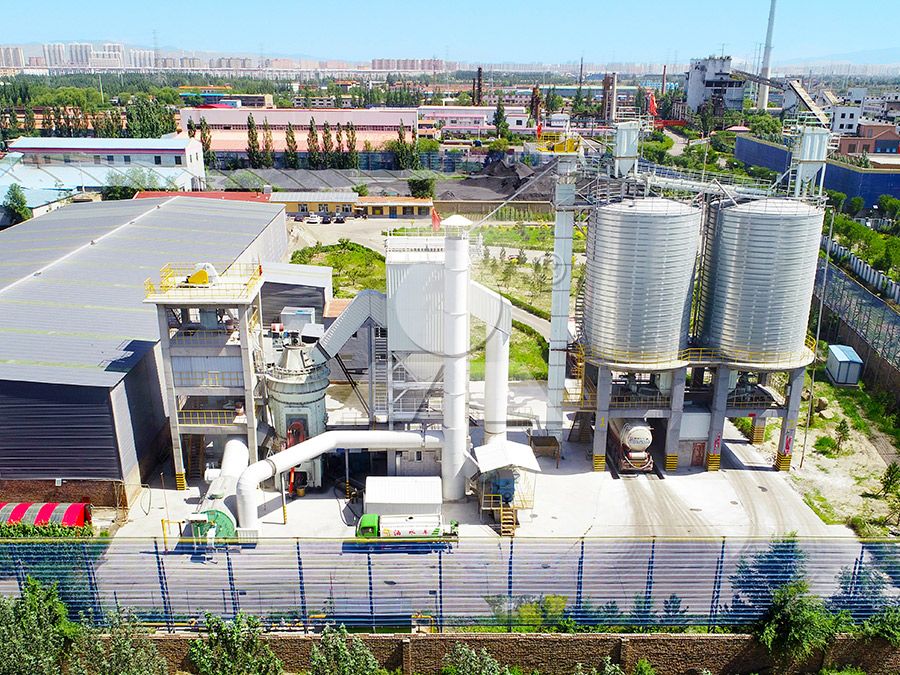
Modern mills must also adhere to stringent environmental standards, incorporating effective dust collection and noise reduction technologies. A mill that integrates drying, grinding, and classifying within a single unit often offers a more compact footprint and lower overall investment.
Advanced Mill Technologies
While traditional ball mills and Raymond mills are common, newer vertical roller mill designs offer significant advantages for fine grinding applications. These mills utilize multiple grinding rollers and advanced powder separators to achieve higher efficiency and more precise particle size control.
Recommended Solution: The MW Ultrafine Grinding Mill
For operations prioritizing ultra-fine powder production with high efficiency, the MW Ultrafine Grinding Mill presents an excellent solution. Engineered for customers needing to make ultra-fine powder, this mill is particularly adept at handling materials like petroleum coal. It accepts a feed size of 0-20 mm and offers a capacity range of 0.5 to 25 tons per hour, making it suitable for various production scales.
Its standout feature is the ability to produce powder with adjustable fineness between 325 and 2500 meshes, effortlessly meeting the 200-mesh requirement. The mill’s design incorporates a German-technology cage-type powder selector for high precision separation. Furthermore, the absence of rolling bearings and screws in the grinding chamber eliminates common failure points, significantly enhancing operational reliability and allowing for external lubrication without shutdown.
An Alternative for Integrated Processing: LUM Ultrafine Vertical Grinding Mill
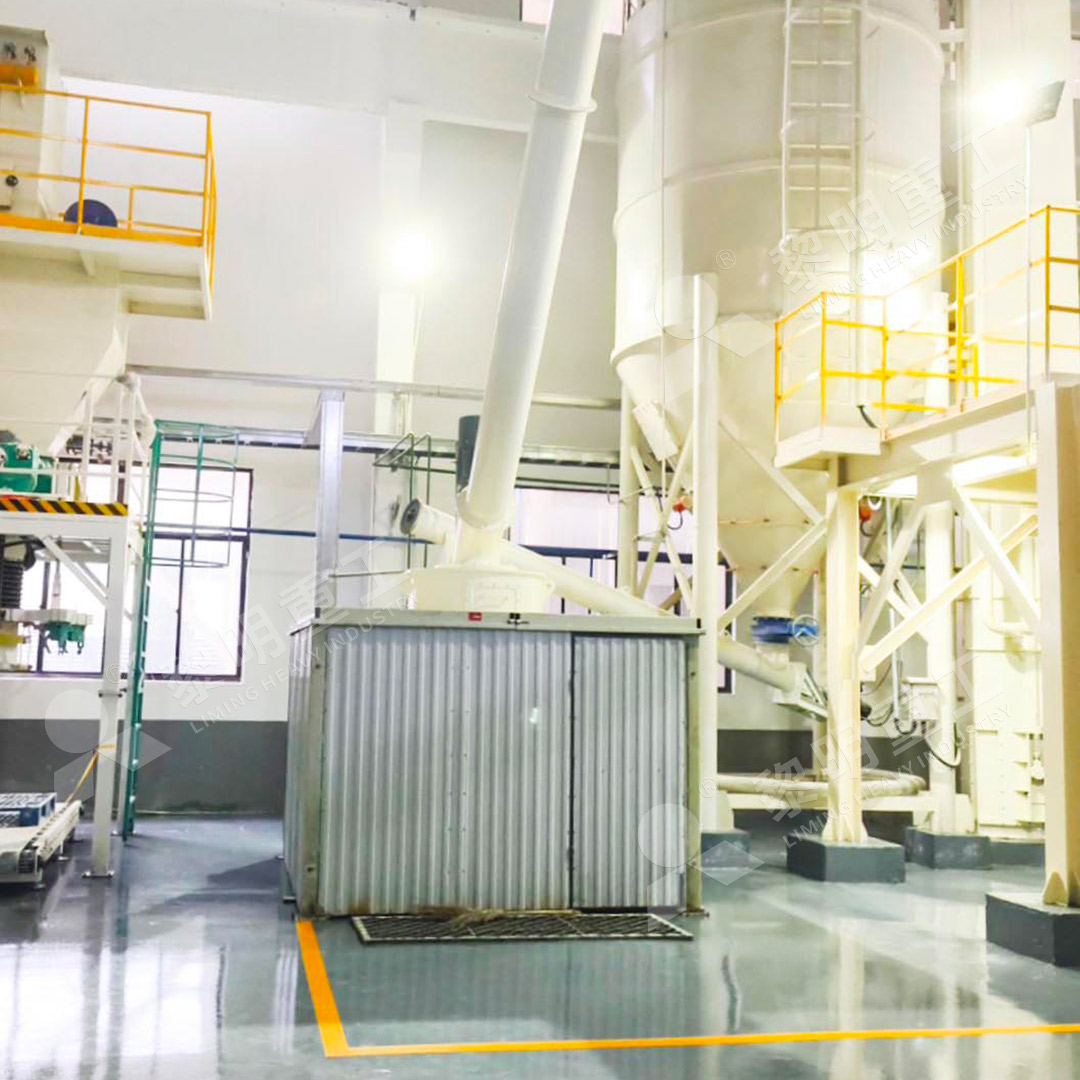
Another robust option from our portfolio is the LUM Ultrafine Vertical Grinding Mill. This mill integrates ultrafine powder grinding, grading, and transporting into a single, highly efficient system. With an input size of 0-10 mm and a capacity of 5-18 tph, it is designed for precision and stability. It employs multi-head powder separating technology and PLC control, allowing users to accurately control grinding parameters, resulting in energy savings of 30%-50% compared to conventional mills. Its reversible structure simplifies maintenance, enabling quick access to grinding rollers for inspection or part replacement.
Frequently Asked Questions (FAQ)
What is the main advantage of a vertical mill over a traditional ball mill for 200-mesh coal grinding?
Vertical mills like the MW and LUM models are significantly more energy-efficient, often reducing power consumption by 30-50%. They also have a smaller footprint, integrate drying and classifying steps, and offer more precise control over the final product’s fineness.
How important is the powder separator in achieving a consistent 200-mesh product?
It is crucial. Advanced separators, such as the cage-type selector in the MW Mill, ensure precise classification. They allow only particles meeting the fineness requirement to pass through, sending coarser material back for further grinding, which guarantees a uniform final product.
Can these mills handle variations in coal moisture content?
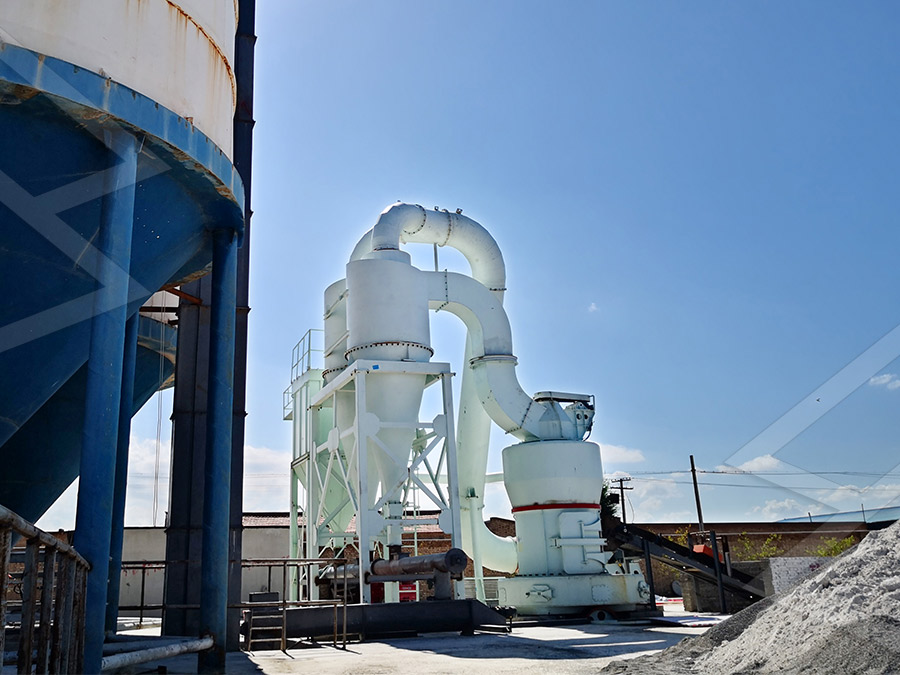
Yes, modern vertical grinding mills are designed with integrated drying capabilities. Hot air from a dedicated source is introduced into the grinding chamber, simultaneously drying and grinding the coal, making them suitable for materials with varying moisture levels.
What kind of maintenance should be expected?
Maintenance primarily focuses on wear parts like grinding rollers and rings. The design of our MW and LUM mills facilitates easier maintenance. For instance, the LUM mill’s reversible structure allows grinding rollers to be easily swung out for service, minimizing downtime.
Are these mills environmentally compliant?
Absolutely. Both the MW and LUM mills are equipped with efficient pulse dust collectors and noise reduction systems. They operate under negative pressure, preventing dust spillage, and meet national environmental protection standards for dust and noise emissions.