
Second Hand Small Cement Mill in UAE: Price Guide & Where to Buy
We provide a wide range of mills — including Raymond mill, trapezoidal mill, vertical mill, ultrafine mill, and ball mill, obtained ISO9001 international quality certification, EU CE certification, and Customs Union CU-TR certification. Suitable for processing minerals such as limestone, phosphate, quicklime, kaolin, talc, barite, bentonite, calcium carbonate, dolomite, coal, gypsum, clay, carbon black, slag, cement raw materials, cement clinker, and more.
The discharge range of these mills can be adjusted to meet specific processing needs, typically from 80-400 mesh, 600-3250 mesh, and can achieve the finest particle size of up to 6000 mesh(D50).
If you are looking for a reliable grinding solution to turn stone or minerals into fine powder, please feel free to contact our online customer service.
Navigating the Second-Hand Cement Mill Market in the UAE
The United Arab Emirates’ construction sector continues to demonstrate remarkable resilience and growth, driving consistent demand for industrial milling equipment. For many small to medium-sized operations, purchasing a second-hand small cement mill presents a cost-effective entry point. However, navigating this market requires careful consideration of equipment condition, operational costs, and long-term viability.
Key Considerations When Buying Used
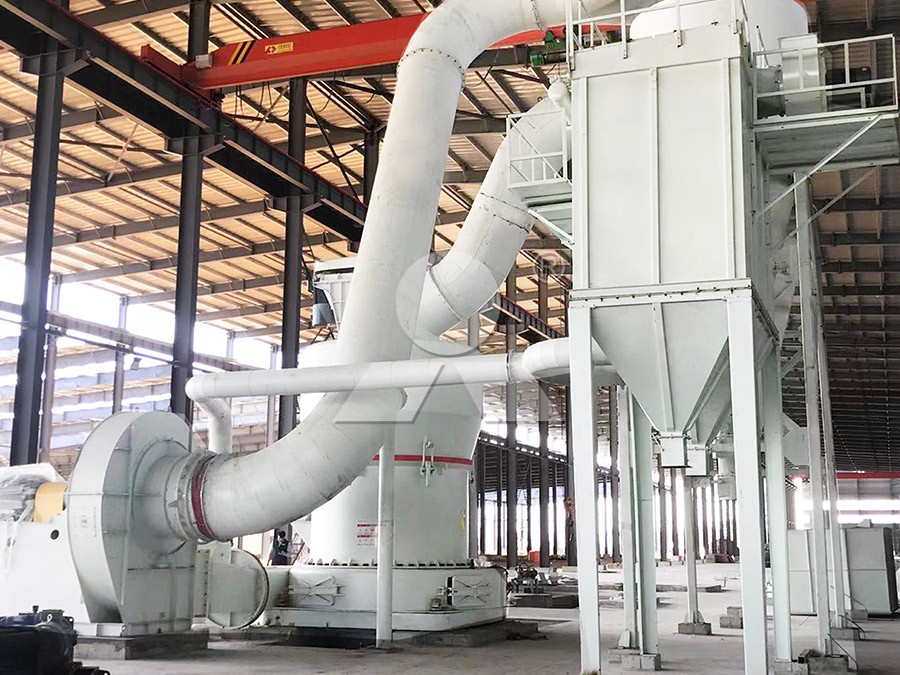
Before committing to a second-hand purchase, several critical factors demand attention. Mill age and operational history significantly impact remaining service life. Request maintenance logs and inspect grinding elements for wear. Electrical systems and motors should undergo thorough testing. Consider availability of spare parts—obsolete models may present challenges. Additionally, assess compatibility with your raw materials and required output fineness.
The True Cost of Second-Hand Equipment
While upfront costs for used small cement mills in the UAE can range from $15,000 to $80,000 depending on size and condition, hidden expenses often emerge. Installation, potential repairs, and lower energy efficiency compared to modern mills can erode initial savings. Older models typically consume 20-40% more power per ton of output. Factor in these operational costs when evaluating the total investment.
A Modern Alternative: High-Efficiency Grinding Solutions
For operations prioritizing long-term efficiency and reliability, investing in new technology often proves more economical. Modern grinding mills offer significantly reduced energy consumption, automated controls, and superior powder quality. While the initial investment is higher, the return through operational savings and productivity gains can be substantial.
Recommended Solution: MW Ultrafine Grinding Mill
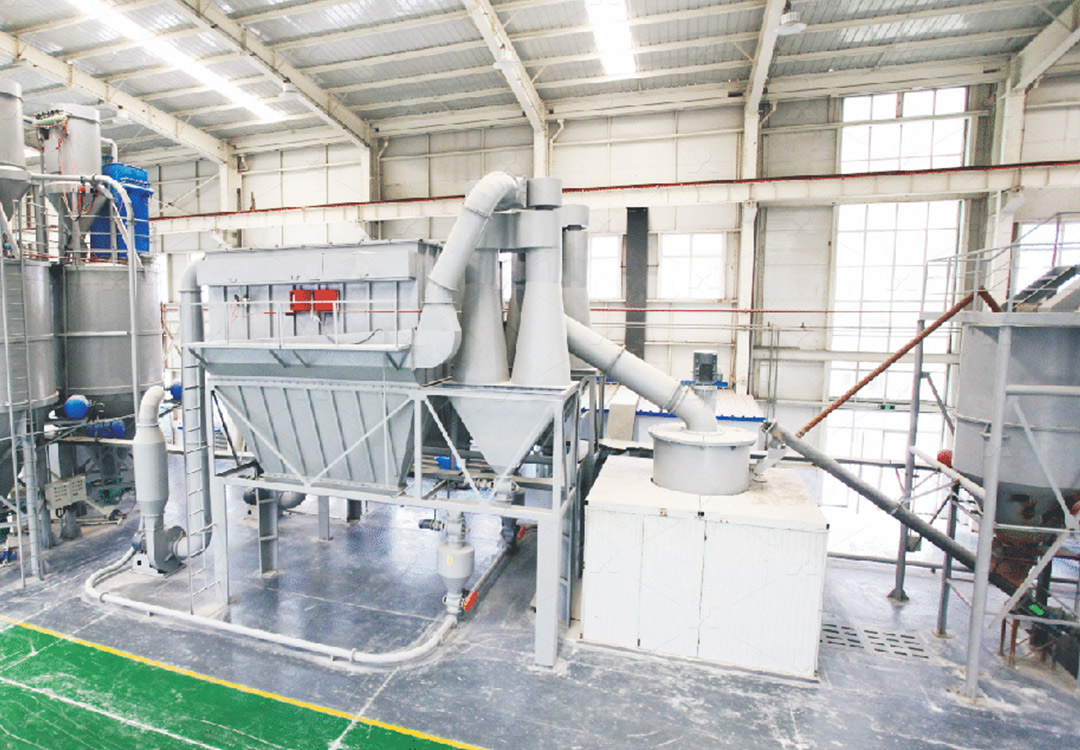
For operations requiring fine powder production, the MW Ultrafine Grinding Mill represents a technological leap forward. With an input size of 0-20 mm and capacity ranging from 0.5-25 tph, this machine suits various production scales. Its innovative design eliminates rolling bearings and screws in the grinding chamber, preventing common failure points. The efficient pulse dust collector ensures environmentally friendly operation, crucial for meeting UAE environmental standards.
The MW series achieves remarkable energy efficiency, consuming approximately 30% less power than traditional jet mills while delivering 40% higher production capacity. The adjustable fineness between 325-2500 meshes provides exceptional flexibility for different cement blends and specialty applications.
Another Viable Option: LUM Ultrafine Vertical Grinding Mill
For operations with space constraints, the LUM Ultrafine Vertical Grinding Mill offers a compact footprint without compromising performance. Handling input sizes up to 10 mm with capacities of 5-18 tph, this mill integrates grinding, grading, and transporting in a single unit. Its reversible structure simplifies maintenance, while multi-head powder separating technology ensures precise particle size distribution.
Where to Source Equipment in the UAE
The UAE hosts several industrial equipment suppliers specializing in both new and used milling machinery. Major industrial areas in Dubai, Sharjah, and Abu Dhabi contain numerous suppliers. Established companies often provide warranty support and installation services. When considering second-hand equipment, verify supplier reputation and request equipment demonstration before purchase.
Frequently Asked Questions
What is the typical price range for a second-hand small cement mill in the UAE?
Prices vary significantly based on capacity, age, and condition. Small mills (5-15 tph) typically range from $15,000 to $50,000. Well-maintained European brands command premium prices, while older Asian models may be more affordable but potentially require more maintenance.
What are the main risks of buying used cement milling equipment?
Primary risks include hidden mechanical issues, obsolete parts availability, higher energy consumption, and potential downtime. Thorough inspection by qualified technicians is essential to mitigate these risks.
How does the MW Ultrafine Grinding Mill compare to traditional ball mills?
The MW Ultrafine Grinding Mill delivers approximately twice the output of traditional ball mills with equivalent power consumption. It produces more consistent particle size distribution and operates with significantly lower noise and dust emissions.
Are there reliable suppliers of new grinding mills in the UAE?
Yes, several authorized distributors for international manufacturers operate in the UAE. These suppliers typically offer comprehensive after-sales support, spare parts availability, and installation services, though at higher initial cost than second-hand options.
What maintenance considerations are specific to cement mills in the UAE’s climate?
The high humidity and temperature conditions require attention to motor cooling systems, dust collection efficiency, and corrosion protection. Regular maintenance intervals may need shortening compared to temperate climates.