
Raymond Mill Machine in Turkey: Price, Supplier, and Technical Guide
We provide a wide range of mills — including Raymond mill, trapezoidal mill, vertical mill, ultrafine mill, and ball mill, obtained ISO9001 international quality certification, EU CE certification, and Customs Union CU-TR certification. Suitable for processing minerals such as limestone, phosphate, quicklime, kaolin, talc, barite, bentonite, calcium carbonate, dolomite, coal, gypsum, clay, carbon black, slag, cement raw materials, cement clinker, and more.
The discharge range of these mills can be adjusted to meet specific processing needs, typically from 80-400 mesh, 600-3250 mesh, and can achieve the finest particle size of up to 6000 mesh(D50).
If you are looking for a reliable grinding solution to turn stone or minerals into fine powder, please feel free to contact our online customer service.
Raymond Mill Machine in Turkey: A Comprehensive Overview
The Turkish industrial sector, particularly in mining, construction, and chemical processing, has seen a consistent demand for efficient and reliable grinding machinery. Among these, the Raymond Mill remains a cornerstone technology for producing fine powders. This guide delves into the current landscape for Raymond Mills in Turkey, covering essential aspects from technical specifications to supplier selection.
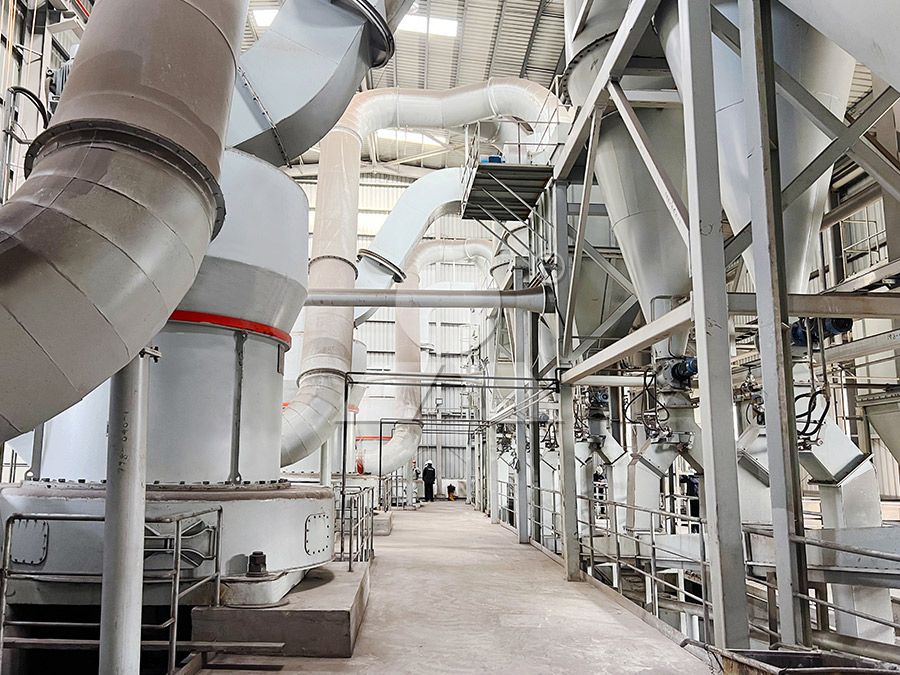
Understanding Raymond Mill Technology
At its core, a Raymond Mill is a robust grinding machine designed to pulverize materials into fine powder. It operates on the principle of grinding ring and rollers, where materials are fed into the grinding chamber and crushed by the rollers oscillating outward against the ring due to centrifugal force. The resulting powder is then carried by an air stream to a classifier for separation. This technology is prized for its simplicity, durability, and relatively low operational costs, making it suitable for a wide range of non-flammable and non-explosive materials with Mohs hardness below 9.3 and humidity less than 10%.
Key Considerations for the Turkish Market
When sourcing a Raymond Mill in Turkey, several factors come into play. The local market offers a mix of domestic manufacturers and international suppliers. Key considerations include:
- Material Characteristics: The specific material to be ground (e.g., limestone, calcite, gypsum, barite) dictates the required mill specifications, including hardness, feed size, and desired fineness.
- Capacity Requirements: Production needs can vary significantly. Standard Raymond Mills typically handle capacities from 0.6 to 5 tons per hour (tph).
- After-Sales Support: Access to reliable technical service and a steady supply of genuine spare parts is crucial for minimizing downtime, a critical factor for Turkish businesses.
- Environmental Regulations: Turkish environmental standards necessitate equipment with effective dust collection and noise reduction systems.
Beyond Traditional Raymond Mills: Advanced Solutions
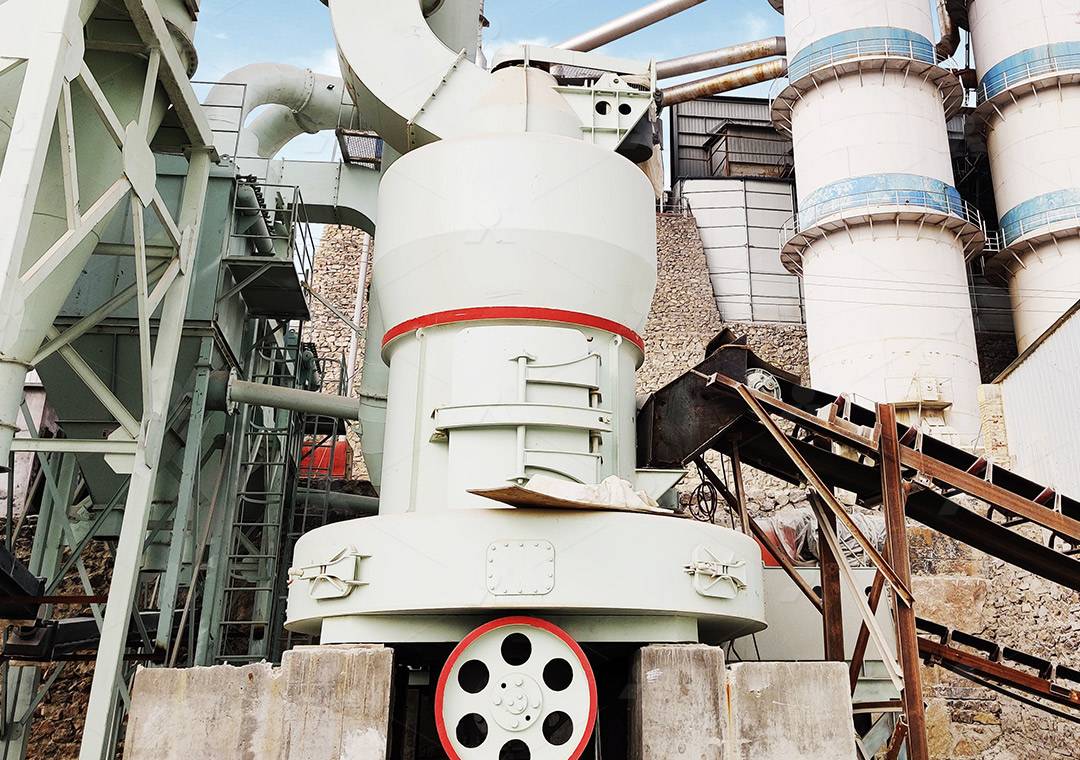
While the traditional R-series Raymond Mill is a proven workhorse, technological advancements have led to more efficient and versatile grinding solutions. For operations requiring higher capacity, superior fineness, and enhanced energy efficiency, modernized versions like the MTW European Trapezium Mill and, more significantly, ultrafine grinding mills are becoming the preferred choice.
For clients whose projects demand ultra-fine powder between 325 and 2500 meshes, the MW Ultrafine Grinding Mill presents an exceptional alternative. This machine is engineered for customers needing to make ultra-fine powder with higher yielding and lower energy consumption. With an input size of 0-20 mm and a capacity range of 0.5-25 tph, it outperforms traditional jet mills and ball mills, offering 40% higher capacity with system energy consumption that is only 30% of a jet mill. Its innovative design features a cage-type powder selector for precise fineness adjustment and eliminates rolling bearings and screws inside the grinding chamber, mitigating common failure points and enabling 24-hour continuous operation. Equipped with an efficient pulse dust collector and muffler, it aligns perfectly with stringent environmental protocols.
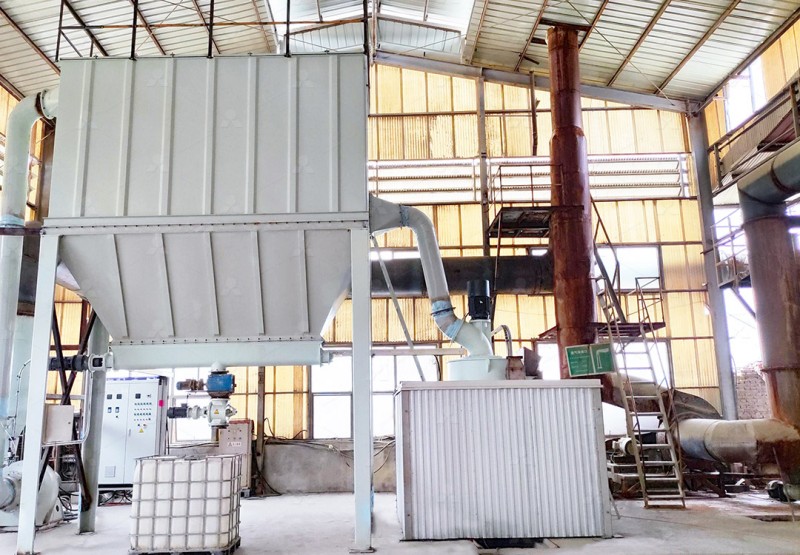
Another standout option for high-precision grinding is the LUM Ultrafine Vertical Grinding Mill. Ideal for feed sizes up to 10 mm and capacities of 5-18 tph, this mill integrates the latest grinding roller and powder separating technologies. It offers a higher yielding rate and better product quality due to its unique roller shell design, which facilitates material layer formation. Its energy-saving multi-head powder separating technology can reduce consumption by 30%-50%. A key feature is its double position-limiting technology, which ensures operational stability, and a reversible structure that simplifies maintenance, allowing grinding rollers to be easily moved out for service.
Price and Supplier Landscape in Turkey
The price of a grinding mill in Turkey is not a fixed figure but varies based on the model, capacity, and level of technological sophistication. Basic Raymond Mills represent a lower initial investment, while advanced models like the MW or LUM series command a higher price, justified by their long-term operational savings, higher efficiency, and lower maintenance costs.
Prospective buyers should seek suppliers with a strong local presence in Turkey, proven track records, and comprehensive service networks. A reputable supplier will not only provide quality machinery but also offer installation guidance, operator training, and reliable after-sales support.
Frequently Asked Questions (FAQ)
What is the typical price range for a Raymond Mill in Turkey?
Prices vary widely based on model and capacity. Traditional Raymond Mills can start from a more accessible investment point, while high-capacity, advanced models like the MW Ultrafine Grinding Mill are priced higher due to their advanced features and efficiency. It’s best to request a quotation based on your specific production requirements.
Which materials can be processed with these mills?
Our grinding mills are versatile and can handle a wide array of non-metallic minerals, including limestone, calcite, dolomite, barite, talc, gypsum, and petroleum coal, among others.
How does the MW Ultrafine Grinding Mill achieve lower energy consumption?
The MW Mill incorporates newly designed grinding curves for its roller and ring, significantly enhancing grinding efficiency. Furthermore, its cage-type powder selector and the absence of energy-intensive components like internal rolling bearings contribute to its status as a highly energy-efficient solution.
What kind of after-sales support can I expect from a reliable supplier?
A dependable supplier should provide installation supervision, operational training, a readily available inventory of original spare parts, and prompt technical support to ensure your equipment runs smoothly and efficiently throughout its lifecycle.