
Formula to Calculate Grinding Media Wear Rate for Cement Mill
We provide a wide range of mills — including Raymond mill, trapezoidal mill, vertical mill, ultrafine mill, and ball mill, obtained ISO9001 international quality certification, EU CE certification, and Customs Union CU-TR certification. Suitable for processing minerals such as limestone, phosphate, quicklime, kaolin, talc, barite, bentonite, calcium carbonate, dolomite, coal, gypsum, clay, carbon black, slag, cement raw materials, cement clinker, and more.
The discharge range of these mills can be adjusted to meet specific processing needs, typically from 80-400 mesh, 600-3250 mesh, and can achieve the finest particle size of up to 6000 mesh(D50).
If you are looking for a reliable grinding solution to turn stone or minerals into fine powder, please feel free to contact our online customer service.
Understanding Grinding Media Wear in Cement Mills
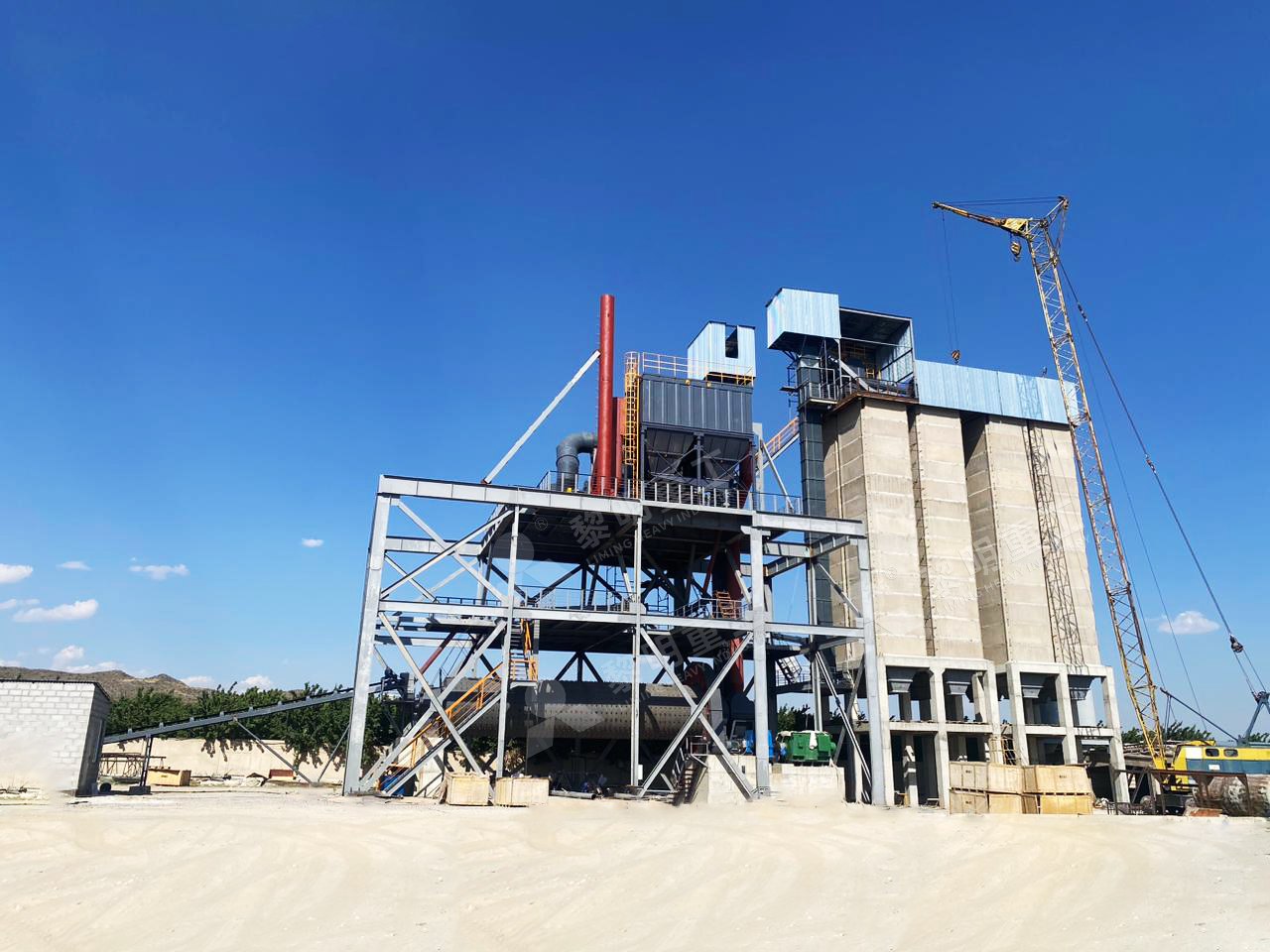
In the cement manufacturing industry, the grinding process is one of the most energy-intensive and costly operations. A critical component of this process is the grinding media—the balls or rods inside the ball mill that pulverize the clinker and additives into fine cement powder. Over time, this media wears down, leading to increased operational costs, reduced grinding efficiency, and potential contamination of the final product. Accurately calculating the wear rate of grinding media is therefore essential for optimizing mill performance, controlling costs, and scheduling maintenance.
The Core Formula for Wear Rate Calculation
The most widely accepted formula for calculating the wear rate of grinding media is straightforward but requires consistent and accurate data collection. The formula is expressed as:
Wear Rate (grams per kilowatt-hour, g/kWh) = (Mi – Mf) / (E × T)
Where:
- Mi = Initial mass of grinding media (grams)
- Mf = Final mass of grinding media after time T (grams)
- E = Power consumption of the mill (kilowatts, kW)
- T = Total grinding time (hours)
This formula normalizes the media consumption against the energy input, providing a reliable metric for comparing performance across different operating periods or even different mills. A lower g/kWh value indicates more efficient grinding and less wear.
Key Factors Influencing Wear Rate
Simply calculating the wear rate is not enough; understanding the factors that drive it is key to improvement. These factors include:
- Media Material and Hardness: High-chromium steel balls typically have a lower wear rate than forged steel balls.
- Feed Material Characteristics: The abrasiveness, moisture content, and particle size distribution of the clinker and additives significantly impact wear.
- Mill Operating Parameters: Mill speed, filling ratio of media, and slurry density all play a crucial role.
- Mill Liner Condition: Worn liners can lead to inefficient grinding and increased media-to-liner contact, accelerating wear.
Beyond Traditional Ball Milling: A Modern Approach to Efficiency
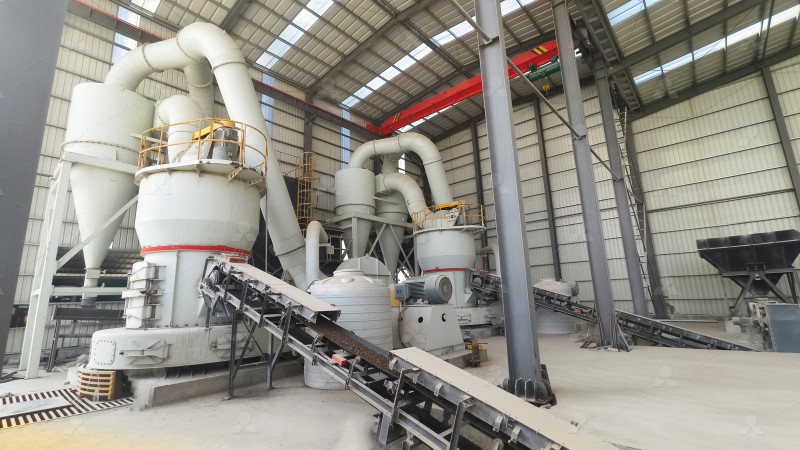
While optimizing ball mill operations is vital, many plant managers are now looking to more advanced grinding technologies to fundamentally reduce wear-related costs and enhance productivity. Vertical roller mills (VRMs) and ultra-fine grinding mills offer a paradigm shift by minimizing or even eliminating the use of loose grinding media.
For instance, our MW Ultrafine Grinding Mill represents a significant leap forward. Designed for customers requiring ultra-fine powder, this machine operates on a different principle. It features a unique design where materials are ground between a roller and a ring without the need for a large charge of grinding balls.
Key advantages of the MW Ultrafine Grinding Mill include:
- Higher Yielding, Lower Energy Consumption: With a production capacity 40% higher than jet mills and energy consumption only 30% of a jet mill, it drastically reduces operational costs.
- No Rolling Bearing & Screw in Grinding Chamber: This design eliminates concerns about bearing damage or machine failure due to loose screws, a common issue in traditional mills.
- Eco-friendly Operation: Equipped with an efficient pulse dust collector and muffler, it ensures a clean and quiet working environment.
With an input size of 0-20 mm and a capacity range of 0.5-25 tph, the MW Mill is an excellent solution for producing high-value fine powders while sidestepping the challenges of grinding media wear entirely.
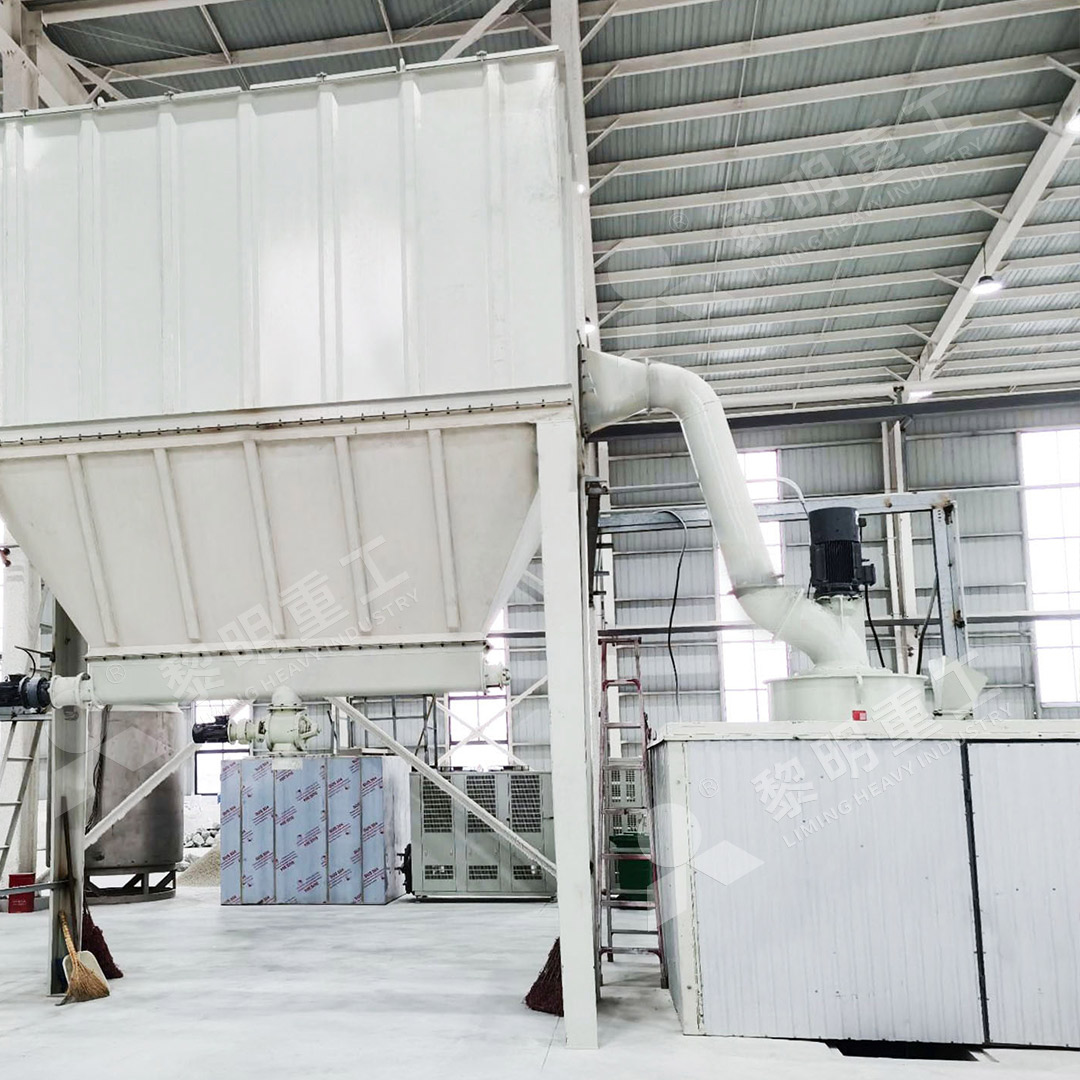
Another robust alternative is the LUM Ultrafine Vertical Grinding Mill.
This mill integrates grinding, grading, and transporting into a single unit. Its advanced features, such as multi-head powder separating technology and a reversible structure for easier maintenance, provide exceptional control over product fineness (adjustable between 325-2500 meshes) and operational stability. By using a bed of material on a rotating table crushed by rollers, the LUM Mill achieves high efficiency with minimal wear parts, offering a more predictable and lower-cost operation compared to traditional ball mills.
Frequently Asked Questions (FAQ)
What is a typical wear rate for grinding media in a cement ball mill?
Typical wear rates can range from 30 to 150 grams per ton of cement produced, or approximately 20 to 80 g/kWh. This varies greatly based on the factors mentioned above, such as media quality and material hardness.
How often should we measure the grinding media wear rate?
It is recommended to conduct measurements at least once per month during routine maintenance shutdowns. For mills with high throughput or known wear issues, bi-weekly checks might be beneficial.
Can switching to a different type of grinding media reduce the wear rate?
Absolutely. Upgrading to higher-chromium content media, though more expensive initially, often results in a lower wear rate and longer service life, leading to lower total cost per ton of ground material.
Are there grinding solutions that don’t involve grinding media wear?
Yes. Technologies like our MW Ultrafine Grinding Mill and LUM Ultrafine Vertical Grinding Mill use a roller-and-ring or roller-and-table mechanism. This design eliminates the constant impact and abrasion found in ball mills, effectively removing grinding media wear as a primary cost and maintenance concern.