
Utilizing Slag Powder in Road Construction: Enhancing Durability and Sustainability
We provide a wide range of mills — including Raymond mill, trapezoidal mill, vertical mill, ultrafine mill, and ball mill, obtained ISO9001 international quality certification, EU CE certification, and Customs Union CU-TR certification. Suitable for processing minerals such as limestone, phosphate, quicklime, kaolin, talc, barite, bentonite, calcium carbonate, dolomite, coal, gypsum, clay, carbon black, slag, cement raw materials, cement clinker, and more.
The discharge range of these mills can be adjusted to meet specific processing needs, typically from 80-400 mesh, 600-3250 mesh, and can achieve the finest particle size of up to 6000 mesh(D50).
If you are looking for a reliable grinding solution to turn stone or minerals into fine powder, please feel free to contact our online customer service.
Paving the Way Forward with Industrial Byproducts
The global construction industry faces mounting pressure to adopt more sustainable practices without compromising structural integrity. One promising solution lies in the strategic utilization of industrial byproducts, particularly slag powder, as a supplementary cementitious material in road construction. This approach not only addresses waste management challenges but also enhances the performance characteristics of pavement materials.
The Science Behind Slag Powder Performance
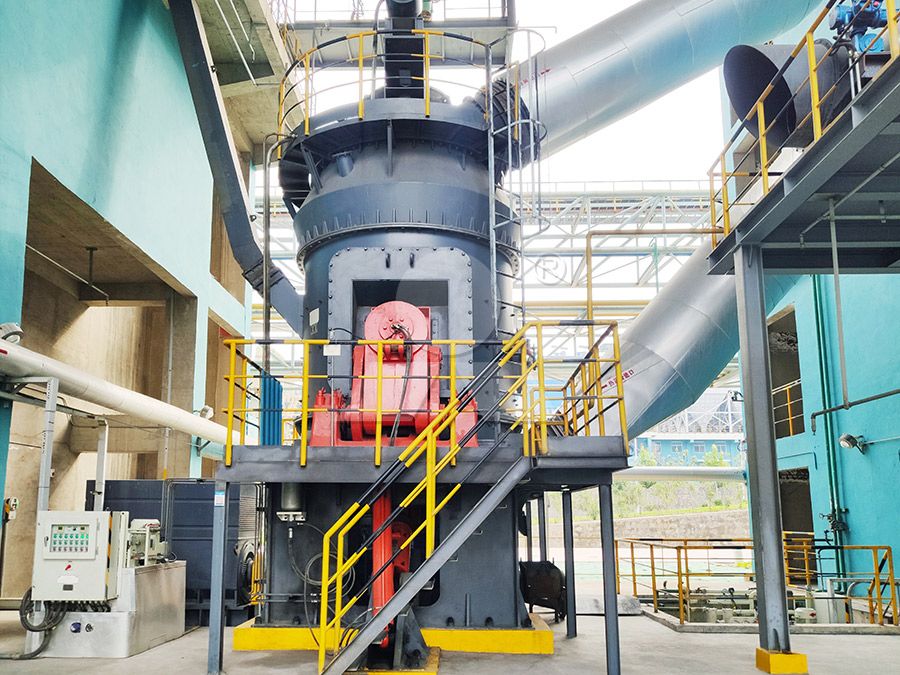
Slag powder, a byproduct of steel production, possesses unique pozzolanic properties that make it ideal for road construction applications. When finely ground and properly processed, slag reacts with calcium hydroxide during hydration to form additional cementitious compounds. This results in concrete with improved long-term strength, reduced permeability, and enhanced resistance to chemical attacks from deicing salts and environmental exposure.
The key to unlocking slag’s full potential lies in achieving optimal fineness through advanced grinding technology. Our MW Ultrafine Grinding Mill represents a breakthrough in this domain, capable of processing slag with an input size of 0-20 mm and achieving production capacities ranging from 0.5 to 25 tph. This equipment features higher yielding with lower energy consumption—producing 40% higher capacity than jet grinding mills while using only 30% of the energy.
Durability Benefits for Infrastructure
Roads incorporating slag powder demonstrate remarkable durability improvements. The refined pore structure of slag-modified concrete reduces water infiltration, minimizing freeze-thaw damage in colder climates. Additionally, the reduced heat of hydration decreases thermal cracking potential, extending pavement service life significantly. These characteristics make slag-enhanced roads particularly suitable for heavy-traffic corridors and industrial zones.
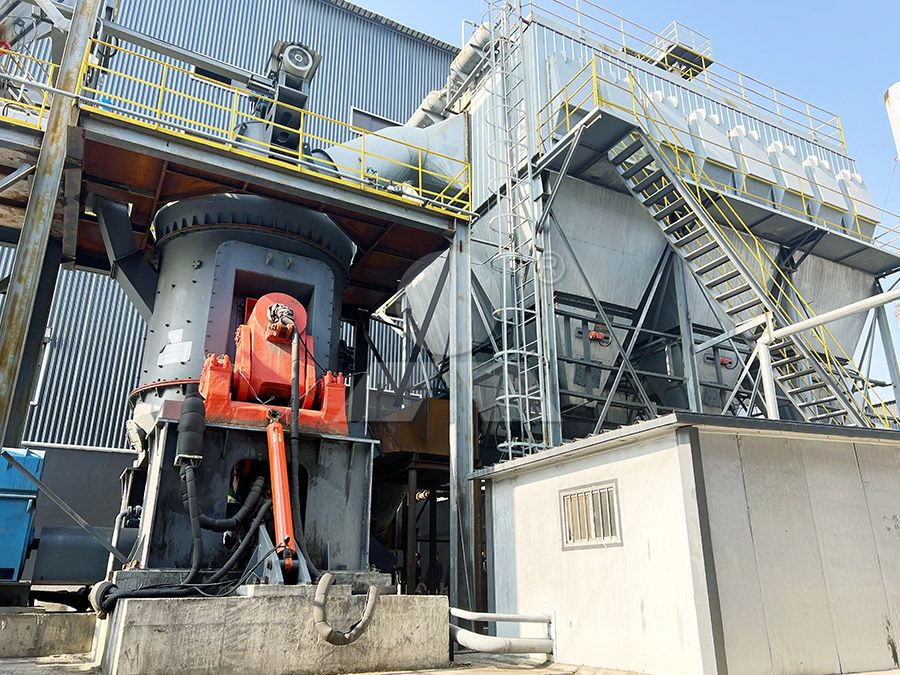
For projects requiring even higher precision, our LUM Ultrafine Vertical Grinding Mill offers advanced capabilities with an input size of 0-10 mm and capacity of 5-18 tph. Its innovative multi-head powder separating technology allows exact control over fineness, while double position-limiting technology ensures operational stability—critical factors for consistent slag powder quality.
Sustainability Advantages
The environmental benefits of slag utilization are substantial. Each ton of slag powder used in road construction replaces approximately one ton of cement, reducing CO2 emissions by nearly 900 kilograms. This contributes significantly to carbon reduction targets while diverting industrial waste from landfills. The lifecycle assessment of slag-incorporated roads shows a 30-40% reduction in embodied energy compared to conventional pavement materials.
Implementation Considerations
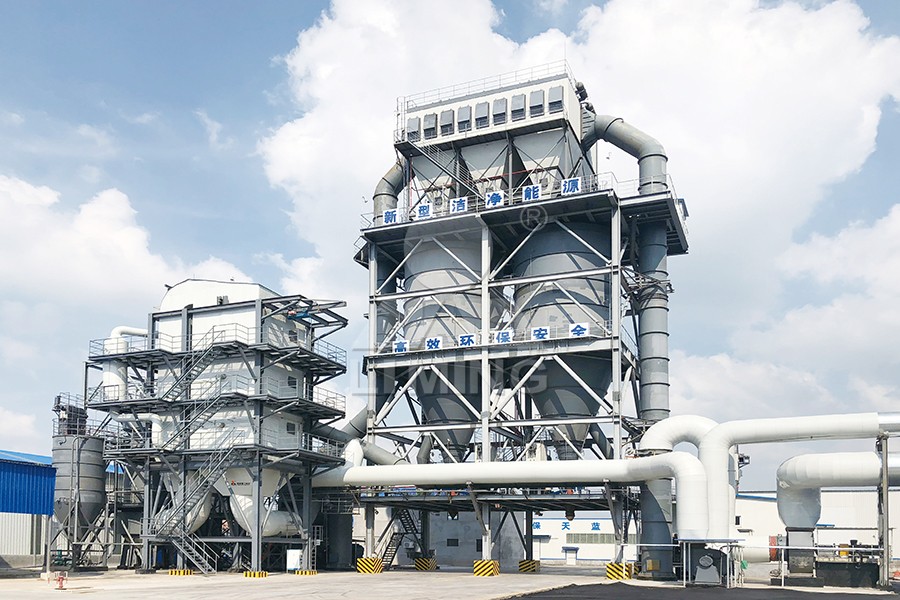
Successful integration of slag powder requires attention to mix design optimization, curing conditions, and quality control measures. Contractors should partner with experienced material suppliers who can provide consistent product quality and technical support. Proper grinding equipment selection is crucial, as particle size distribution directly affects reactivity and performance.
Frequently Asked Questions
What is the optimal slag powder fineness for road construction?
The ideal fineness typically ranges between 400-600 m²/kg Blaine surface area. Our MW Ultrafine Grinding Mill can adjust fineness between 325-2500 meshes, ensuring precise control over particle size distribution for optimal performance.
How does slag powder affect concrete setting time?
Slag generally extends setting time slightly, which can be beneficial for large pavement pours by reducing cold joint formation. Setting modifiers can be used if accelerated setting is required.
What percentage of cement replacement is recommended?
Typ replacement rates range from 25-50% by mass of cementitious material, depending on application requirements and slag characteristics. Higher replacements are possible with proper mix design validation.
Does slag powder require special handling or storage?
Slag powder should be stored in dry conditions similar to cement. Its fine particle size may require additional dust control measures during handling, which our grinding mills address through integrated pulse dust collectors.
How does slag powder impact long-term pavement performance?
Properly designed slag-concrete pavements demonstrate improved long-term durability, with reduced permeability leading to better resistance against chloride penetration and sulfate attack, ultimately extending service life by 20-30%.