
Process Optimization for High-Purity Semiconductor Quartz Powder Manufacturing
We provide a wide range of mills — including Raymond mill, trapezoidal mill, vertical mill, ultrafine mill, and ball mill, obtained ISO9001 international quality certification, EU CE certification, and Customs Union CU-TR certification. Suitable for processing minerals such as limestone, phosphate, quicklime, kaolin, talc, barite, bentonite, calcium carbonate, dolomite, coal, gypsum, clay, carbon black, slag, cement raw materials, cement clinker, and more.
The discharge range of these mills can be adjusted to meet specific processing needs, typically from 80-400 mesh, 600-3250 mesh, and can achieve the finest particle size of up to 6000 mesh(D50).
If you are looking for a reliable grinding solution to turn stone or minerals into fine powder, please feel free to contact our online customer service.
Process Optimization for High-Purity Semiconductor Quartz Powder Manufacturing
The relentless drive for miniaturization and performance in the semiconductor industry places immense demands on the raw materials at the very foundation of chip fabrication. High-purity quartz powder is one such critical material, serving as a precursor for quartz glass used in crucibles, tubes, and various chamber components. Any impurity, inconsistent particle size, or surface defect can propagate through the manufacturing chain, potentially compromising the yield and performance of the final integrated circuit. Therefore, optimizing the manufacturing process for this powder is not merely an economic concern but a fundamental requirement for technological advancement.
The Criticality of Purity and Particle Size Distribution
The journey begins with the selection of high-grade quartz ore. However, the raw material’s inherent purity is only the starting point. The subsequent comminution (size reduction) process is where contamination is most likely to be introduced. Traditional grinding methods using steel or ceramic media can lead to metallic or abrasive contamination, which is unacceptable for semiconductor applications. The ideal grinding system must ensure zero contamination from the milling process itself. Furthermore, the particle size distribution (PSD) is paramount. A narrow, consistent PSD ensures uniform sintering behavior and predictable chemical reactivity during the subsequent glass-making process. Broad PSD can lead to inconsistent densification, trapped pores, and weakened structural integrity in the final quartz glass product.
Advanced Milling Technology: The Heart of Optimization
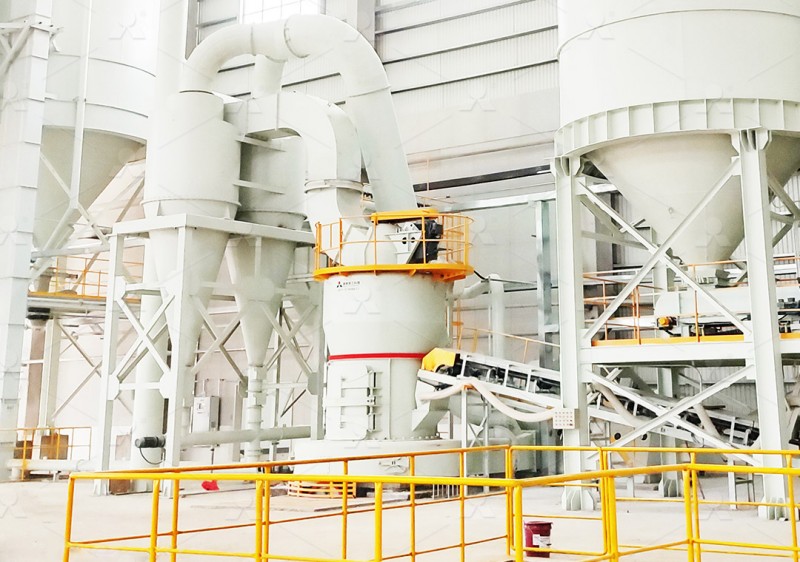
To meet these stringent requirements, the industry has moved beyond conventional ball mills. The focus is on grinding systems that offer precise control over fineness, minimal contamination, and high energy efficiency. A standout solution for achieving ultra-fine powders with exceptional purity is the MW Ultrafine Grinding Mill. This machine is specifically engineered for customers who need to produce ultra-fine powder with minimal environmental impact. A key feature for semiconductor-grade production is the absence of rolling bearings and screws within the grinding chamber. This design eliminates the risk of contamination from lubricants or wear debris from these components, a critical advantage over many traditional mills.
The MW Mill’s cage-type powder selector, incorporating German technology, allows for precise fineness adjustment between 325 and 2500 meshes, achieving a screening rate of d97≤5μm in a single pass. This level of control is essential for tailoring the quartz powder to specific semiconductor fabrication steps. With an input size of 0-20 mm and a capacity ranging from 0.5 to 25 tph, it balances high throughput with the delicacy required for high-purity materials. The integrated efficient pulse dust collector and muffler ensure the production process is clean and quiet, aligning with the high standards of modern industrial facilities.
Integrated Process Control and Drying
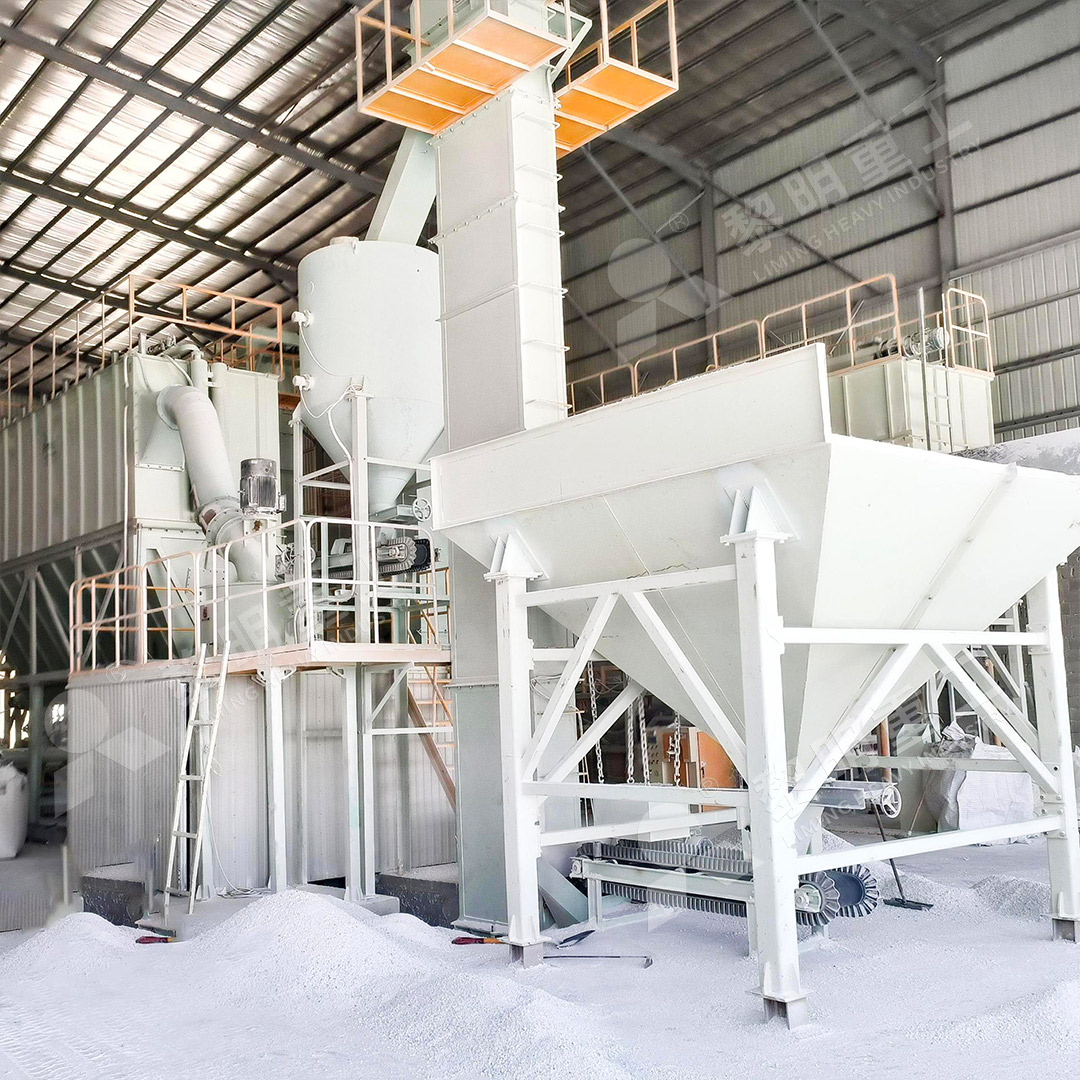
For quartz powder destined for semiconductor use, moisture content is another critical parameter. Some advanced grinding mills integrate drying capabilities directly into the grinding process. For instance, the LUM Ultrafine Vertical Grinding Mill is an excellent example of this integrated approach. Independently designed with the latest grinding roller and powder separating technology, the LUM mill can handle an input size of 0-10 mm with a capacity of 5-18 tph. Its unique roller shell and lining plate grinding curve are designed to generate a stable material layer, promoting efficient grinding and reducing the iron content—a vital consideration for purity.
The LUM mill’s multi-head powder separating technology, controlled by a PLC system, allows for rapid switching between different production demands, ensuring consistent product quality. The reversible structure of the grinding roller simplifies maintenance, allowing for quick inspection and replacement of parts without significant downtime, which is crucial for maintaining a continuous supply chain.
Conclusion
Optimizing the manufacturing process for high-purity semiconductor quartz powder is a multi-faceted challenge centered on achieving unparalleled purity, precise particle size control, and operational efficiency. The adoption of advanced, contamination-free grinding technologies like the MW Ultrafine Grinding Mill and the LUM Ultrafine Vertical Grinding Mill represents a significant leap forward. These systems provide the necessary tools to produce a material that meets the exacting standards of the semiconductor industry, thereby supporting the ongoing evolution of faster, smaller, and more powerful electronic devices.
Frequently Asked Questions (FAQ)
Why is iron contamination particularly detrimental in semiconductor quartz powder?
Iron and other transition metals can create energy states within the bandgap of silicon, acting as recombination centers for charge carriers. This can severely degrade the performance of semiconductor devices, leading to leakage currents and reduced efficiency.
What is meant by a “narrow particle size distribution” and why is it important?
A narrow PSD means the vast majority of particles are very close to the same size. This is critical for uniform packing and sintering during the melting process to form quartz glass. A wide PSD can result in uneven densification, voids, and weak spots in the final glass product.
How does the MW Ultrafine Grinding Mill prevent contamination from the grinding process?
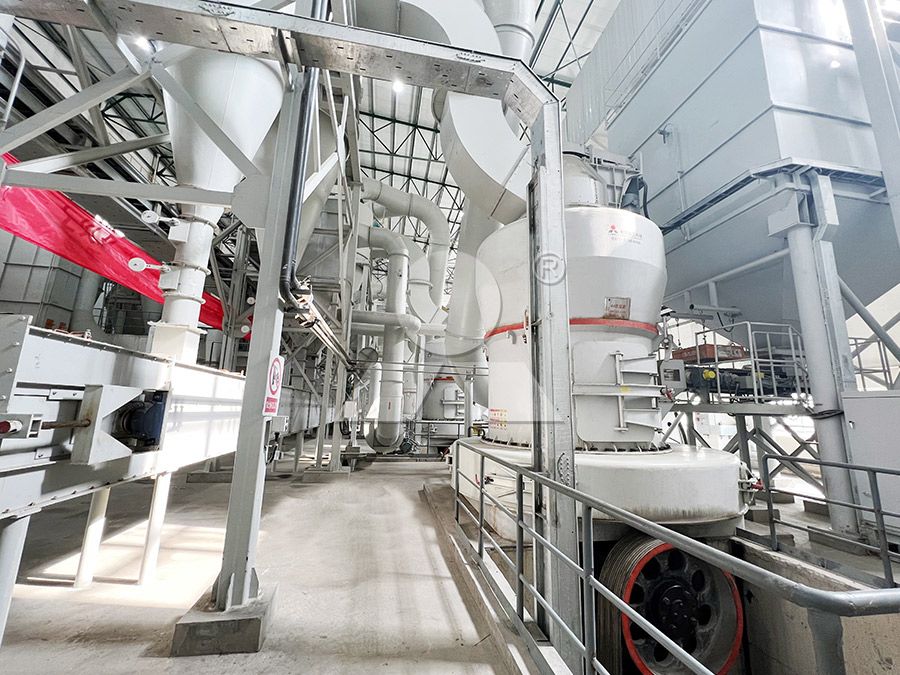
The MW Mill is designed with no rolling bearings or screws inside the grinding chamber. This eliminates potential sources of metallic wear debris. Additionally, the lubrication system is external, allowing for maintenance without exposing the grinding material to contaminants.
Can these grinding mills handle the required throughput for large-scale semiconductor manufacturing?
Yes, models like the MW Ultrafine Grinding Mill offer capacities up to 25 tons per hour, making them suitable for meeting the high-volume demands of the global semiconductor industry while maintaining strict quality controls.