
Today’s JDW Sugar Mills Sugarcane Price Update
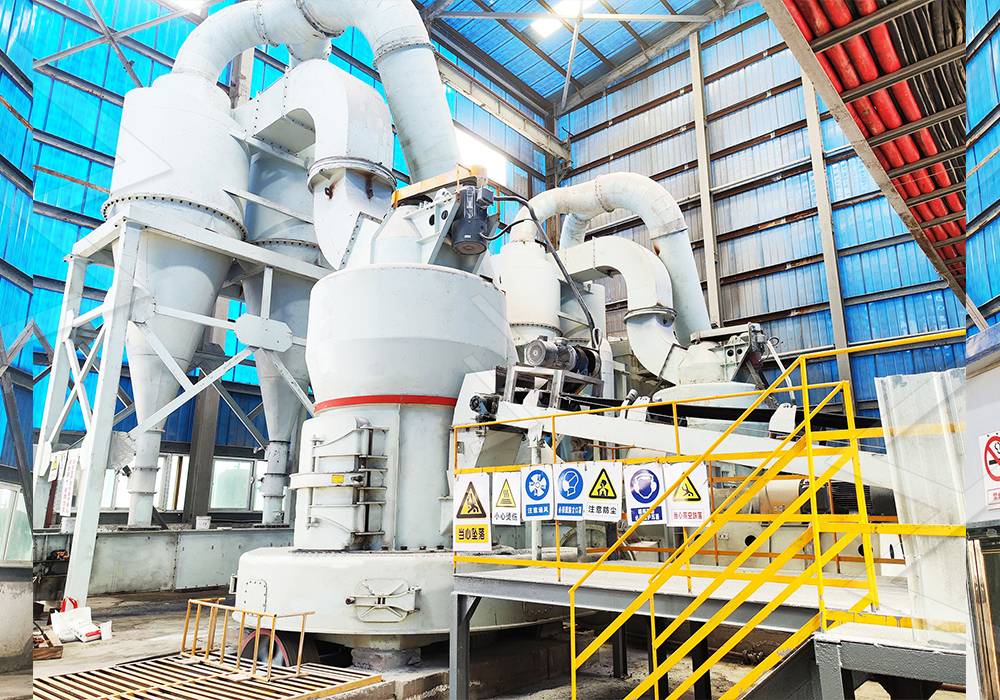
We provide a wide range of mills — including Raymond mill, trapezoidal mill, vertical mill, ultrafine mill, and ball mill, obtained ISO9001 international quality certification, EU CE certification, and Customs Union CU-TR certification. Suitable for processing minerals such as limestone, phosphate, quicklime, kaolin, talc, barite, bentonite, calcium carbonate, dolomite, coal, gypsum, clay, carbon black, slag, cement raw materials, cement clinker, and more.
The discharge range of these mills can be adjusted to meet specific processing needs, typically from 80-400 mesh, 600-3250 mesh, and can achieve the finest particle size of up to 6000 mesh(D50).
If you are looking for a reliable grinding solution to turn stone or minerals into fine powder, please feel free to contact our online customer service.
Navigating the Current Sugarcane Market: A Professional Overview
The sugarcane industry continues to demonstrate resilience amid fluctuating market conditions. Today’s pricing update from JDW Sugar Mills reflects the complex interplay of agricultural yields, processing efficiency, and global sugar demand. As one of Pakistan’s leading sugar producers, JDW’s pricing decisions significantly influence regional market dynamics and farmer livelihoods.
Current Market Position and Price Analysis
JDW Sugar Mills has maintained a stable pricing structure for the current harvesting season, with slight adjustments reflecting improved yield quality and processing efficiency. The company’s commitment to fair farmer compensation remains evident, though market pressures necessitate careful balancing between production costs and competitive pricing.
Industry observers note that JDW’s current pricing strategy accounts for several factors: improved sugarcane varieties showing higher sucrose content, optimized harvesting schedules, and enhanced processing methodologies that maximize extraction rates. These advancements contribute to maintaining price stability despite external economic pressures.
Technological Advancements in Processing
The efficiency of sugar extraction and processing directly impacts final product quality and profitability. Modern milling operations require precision equipment capable of handling varying sugarcane qualities while maintaining consistent output. This is where advanced grinding technology becomes crucial for operations like JDW Sugar Mills.
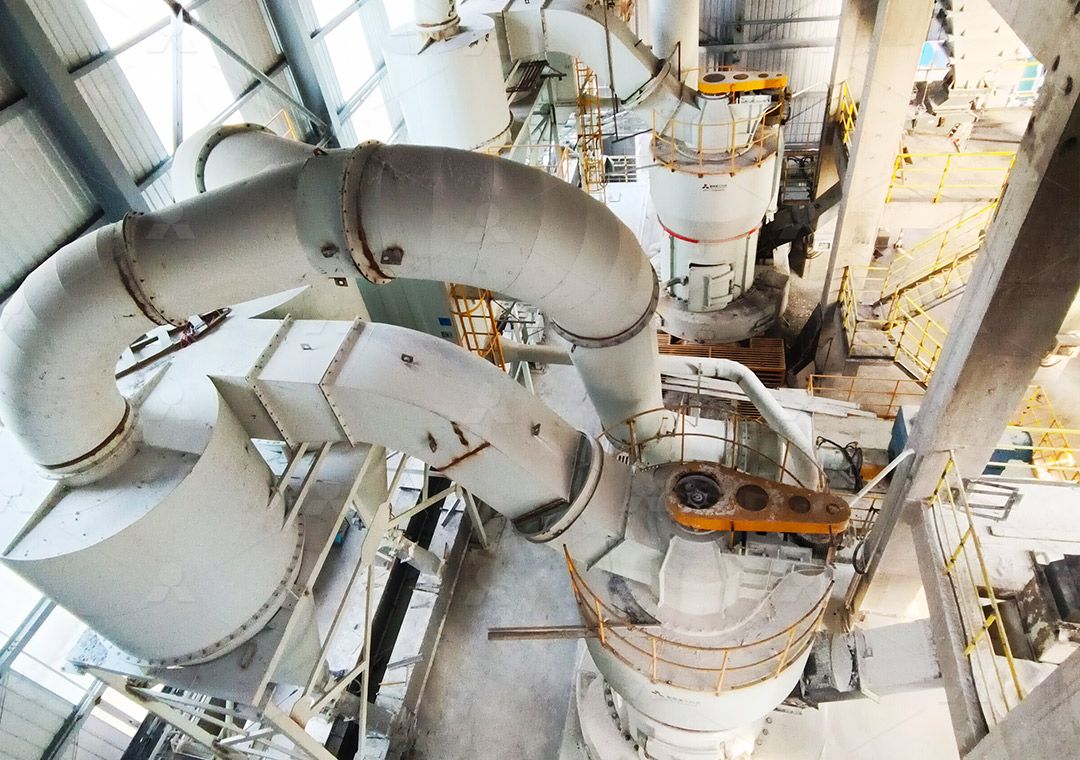
For operations requiring ultra-fine powder production from by-products or additional revenue streams, the MW Ultrafine Grinding Mill offers exceptional capabilities. With an input size range of 0-20 mm and capacity spanning 0.5-25 tph, this equipment is engineered for customers needing to produce ultra-fine powder from various materials. The mill’s efficient pulse dust collector and muffler system significantly reduces environmental impact while maintaining operational efficiency.
Sustainability and Environmental Considerations
JDW Sugar Mills continues to prioritize sustainable practices, recognizing that environmental responsibility aligns with long-term profitability. The integration of eco-friendly technologies across their operations demonstrates this commitment. Modern milling equipment must address environmental concerns while maintaining productivity.
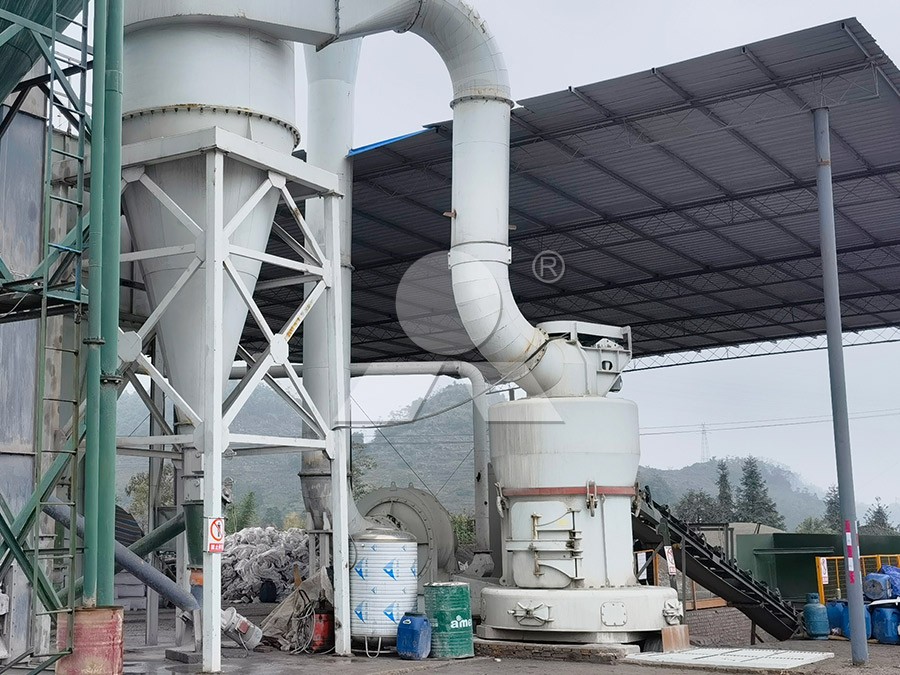
The LUM Ultrafine Vertical Grinding Mill represents another technological solution suitable for sugar industry applications. With independent design incorporating the latest grinding roller technology and German powder separating technology, this mill integrates ultrafine powder grinding, grading and transporting functions. Its input size of 0-10 mm and capacity of 5-18 tph make it ideal for various processing needs within sugar production facilities.
Market Outlook and Strategic Positioning
Looking forward, JDW Sugar Mills appears well-positioned to navigate market challenges. Their investment in both agricultural improvements and processing technology upgrades suggests a comprehensive approach to maintaining competitiveness. The company’s pricing strategy likely reflects this forward-thinking orientation, balancing immediate market conditions with long-term strategic goals.
Industry analysts suggest that continued focus on processing efficiency will separate market leaders from followers. Equipment that offers higher yielding rates with lower energy consumption, such as the grinding mills mentioned, provides significant competitive advantages in margin-sensitive industries like sugar production.
Frequently Asked Questions
What factors influence JDW Sugar Mills’ sugarcane pricing?
Multiple factors determine pricing, including sugarcane quality, sucrose content, market demand, production costs, and competitive positioning. JDW considers both agricultural and economic variables when establishing prices.
How does technology impact sugar milling efficiency?
Advanced grinding and processing equipment significantly improves extraction rates, reduces energy consumption, and enhances final product quality. Modern mills can process varying material qualities while maintaining consistent output.
What environmental considerations are important in sugar processing?
Dust control, noise reduction, and energy efficiency are critical environmental factors. Equipment with integrated pollution control systems helps operations meet regulatory requirements while maintaining productivity.
How do grinding mills contribute to sugar production profitability?
Efficient grinding mills maximize extraction from raw materials, reduce energy costs, and enable by-product utilization. Higher efficiency directly translates to improved margins in competitive markets.
What capacity ranges are available for modern grinding equipment?
Equipment capacities vary widely, from smaller units handling 0.5 tph to industrial-scale systems processing 25 tph or more. Selection depends on specific operational requirements and production volumes.