
Optimizing Production Process for High-Quality Pigment Carbon Black Powder
We provide a wide range of mills — including Raymond mill, trapezoidal mill, vertical mill, ultrafine mill, and ball mill, obtained ISO9001 international quality certification, EU CE certification, and Customs Union CU-TR certification. Suitable for processing minerals such as limestone, phosphate, quicklime, kaolin, talc, barite, bentonite, calcium carbonate, dolomite, coal, gypsum, clay, carbon black, slag, cement raw materials, cement clinker, and more.
The discharge range of these mills can be adjusted to meet specific processing needs, typically from 80-400 mesh, 600-3250 mesh, and can achieve the finest particle size of up to 6000 mesh(D50).
If you are looking for a reliable grinding solution to turn stone or minerals into fine powder, please feel free to contact our online customer service.
Optimizing Production Process for High-Quality Pigment Carbon Black Powder
The production of high-quality pigment carbon black powder demands precision, efficiency, and a deep understanding of particle technology. Achieving the desired jetness, tinting strength, and dispersibility hinges on a meticulously controlled grinding and classification process. In today’s competitive market, manufacturers must balance superior product quality with operational cost-effectiveness and environmental responsibility.
The Critical Role of Ultrafine Grinding
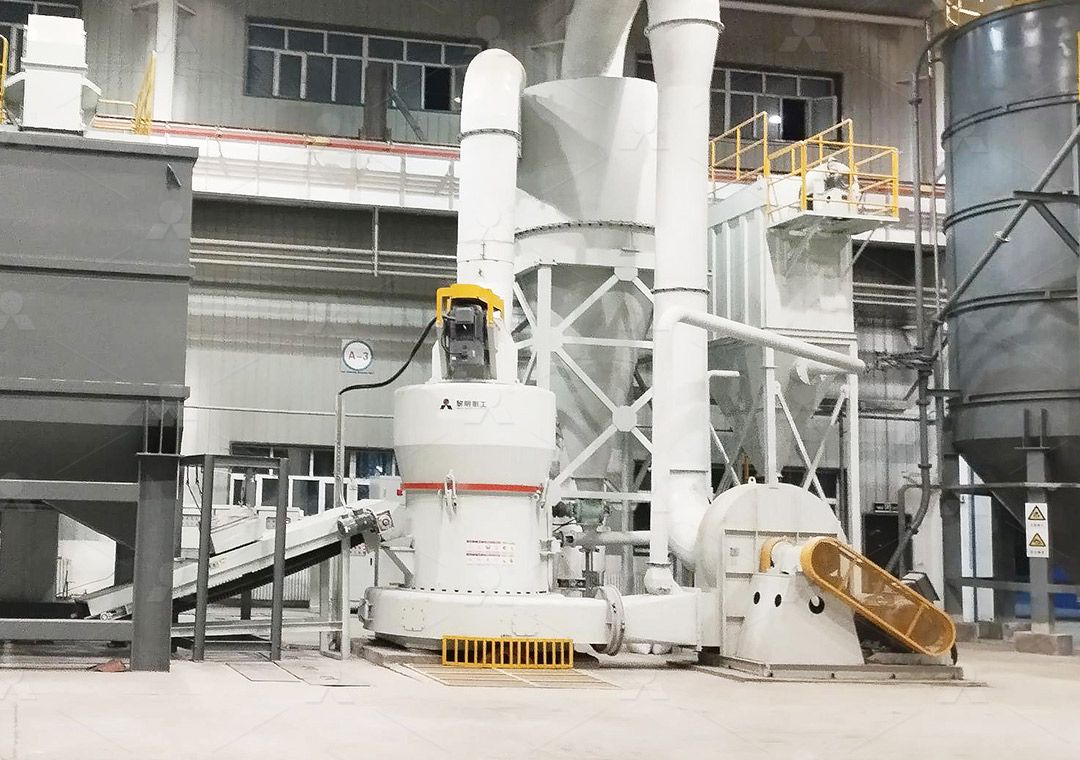
For pigment-grade carbon black, the ultimate particle size distribution is paramount. Traditional grinding methods often fall short, leading to inconsistent fineness, high energy consumption, and potential contamination. The goal is to achieve a narrow particle size distribution, typically in the range of 325 to 2500 meshes, to ensure optimal color properties and performance in end-use applications like plastics, inks, and coatings.
This is where advanced milling technology makes a decisive difference. For operations requiring exceptional fineness and purity, the MW Ultrafine Grinding Mill presents a compelling solution. Engineered for customers dedicated to producing ultra-fine powder, this machine is a standout choice. Its ability to adjust fineness between 325-2500 meshes with high precision, thanks to its German-technology cage-type powder selector, ensures that carbon black producers can consistently meet stringent specifications. Furthermore, its design eliminates rolling bearings and screws within the grinding chamber, a significant advantage that mitigates the risk of mechanical failure and contamination from worn parts, which is critical for maintaining the purity of carbon black.
Enhancing Efficiency and Environmental Compliance
Beyond particle size, modern production facilities must address energy consumption and environmental impact. The grinding process can be energy-intensive, and without proper controls, dust and noise can pose significant challenges.
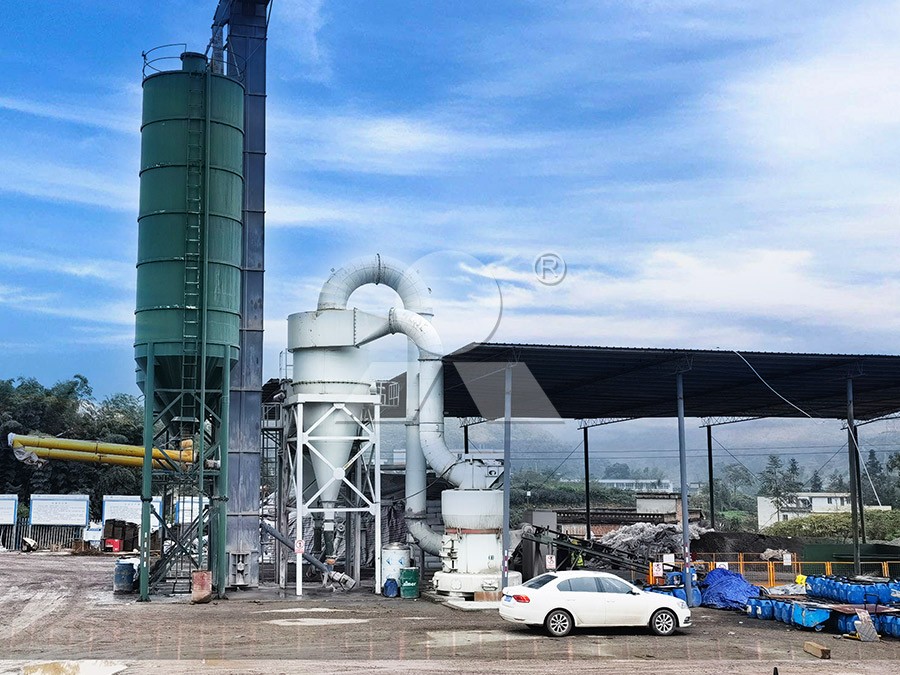
The integrated pulse dust collector and muffler in mills like the MW series effectively contain emissions and reduce operational noise, ensuring the entire production line adheres to national environmental protection standards. This results in a cleaner, safer workplace and a smaller ecological footprint. The higher yielding and lower energy consumption—reportedly 40% higher capacity than jet mills and 30% lower system energy consumption—directly translate to improved profitability and sustainability.
A Solution for Large-Scale, Integrated Production
For larger-scale production or when handling a broader input size range, the LM Vertical Grinding Mill offers an integrated approach. It combines crushing, drying, grinding, classifying, and conveying into a single, compact unit. This integration reduces the overall footprint by 50% compared to a ball mill system and saves 30%-40% in energy. Its design ensures a short material retention time, minimizing repeated grinding and preserving the material’s properties, which is vital for maintaining the quality of carbon black.
Both the MW and LM mills exemplify the technological advancements that allow producers to optimize their processes. The choice between them often depends on the specific production capacity, input size, and desired fineness. For ultra-fine pigment carbon black where purity and precise fineness are non-negotiable, the MW Ultrafine Grinding Mill is particularly recommended.
Frequently Asked Questions (FAQ)
What is the most important factor in grinding carbon black for pigment use?
The most critical factor is achieving a consistent and narrow particle size distribution. This directly influences key properties like jetness, tinting strength, and dispersibility. Advanced mills with precise powder selection technology are essential for this control.
How can I reduce energy costs in my carbon black grinding process?
Investing in modern, energy-efficient grinding mills is the most effective strategy. Look for technologies that offer higher yields with lower energy consumption, such as designs that enhance grinding efficiency through optimized roller and ring curves.
What measures can be taken to ensure an environmentally friendly operation?
Select equipment that incorporates integrated dust collection systems (like pulse dust collectors) and noise reduction features (like mufflers). Operating under a fully sealed, negative-pressure system prevents dust spillage and maintains a clean plant environment.
Why is the absence of rolling bearings in the grinding chamber beneficial?
It eliminates a primary source of potential contamination from lubricants and worn metal parts. It also enhances operational reliability by removing a common point of failure, thus reducing maintenance downtime and ensuring product purity.
Can these mills handle variations in raw material input size?
Yes, but the suitable mill depends on the range. For example, the MW Ultrafine Grinding Mill handles inputs of 0-20 mm, while the LM Vertical Mill can process larger sizes up to 70 mm. It’s crucial to match the mill’s specifications with your feedstock.