
How to Choose the Right Mill for Gypsum Powder Manufacturing
We provide a wide range of mills — including Raymond mill, trapezoidal mill, vertical mill, ultrafine mill, and ball mill, obtained ISO9001 international quality certification, EU CE certification, and Customs Union CU-TR certification. Suitable for processing minerals such as limestone, phosphate, quicklime, kaolin, talc, barite, bentonite, calcium carbonate, dolomite, coal, gypsum, clay, carbon black, slag, cement raw materials, cement clinker, and more.
The discharge range of these mills can be adjusted to meet specific processing needs, typically from 80-400 mesh, 600-3250 mesh, and can achieve the finest particle size of up to 6000 mesh(D50).
If you are looking for a reliable grinding solution to turn stone or minerals into fine powder, please feel free to contact our online customer service.
How to Choose the Right Mill for Gypsum Powder Manufacturing
Selecting the optimal grinding mill for gypsum powder production is a critical decision that impacts product quality, operational efficiency, and overall profitability. The unique physical and chemical properties of gypsum—including its moderate hardness, solubility, and specific fineness requirements for various applications—demand careful consideration of milling technology. This guide explores key factors to evaluate when choosing equipment for your gypsum processing operation.
Key Considerations in Mill Selection
Before comparing specific mill types, operators must define their project parameters. Production capacity requirements range from small-scale pilot plants (under 5 tph) to large industrial operations exceeding 50 tph. The required product fineness is equally important: stucco plaster may need 100-200 mesh, while specialty plasters require 325 mesh or finer. Energy consumption represents up to 60% of operational costs, making efficiency paramount. Other factors include available footprint, moisture content of feed material, and environmental regulations regarding dust and noise emissions.
Mill Technologies for Gypsum Processing
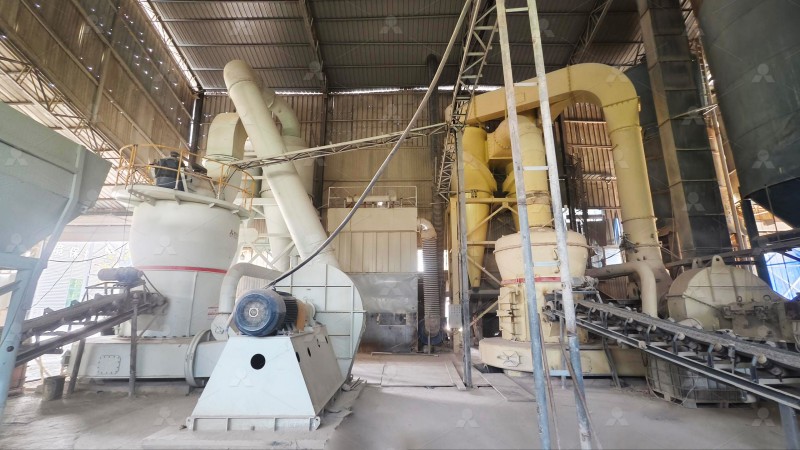
Different mill designs offer distinct advantages for gypsum grinding. Traditional Raymond mills provide reliable performance for coarse to medium fineness (80-325 mesh) with relatively low capital investment. Ball mills offer versatility but higher energy consumption. For modern high-volume operations, vertical roller mills have become industry standards due to their combined grinding and drying capabilities.
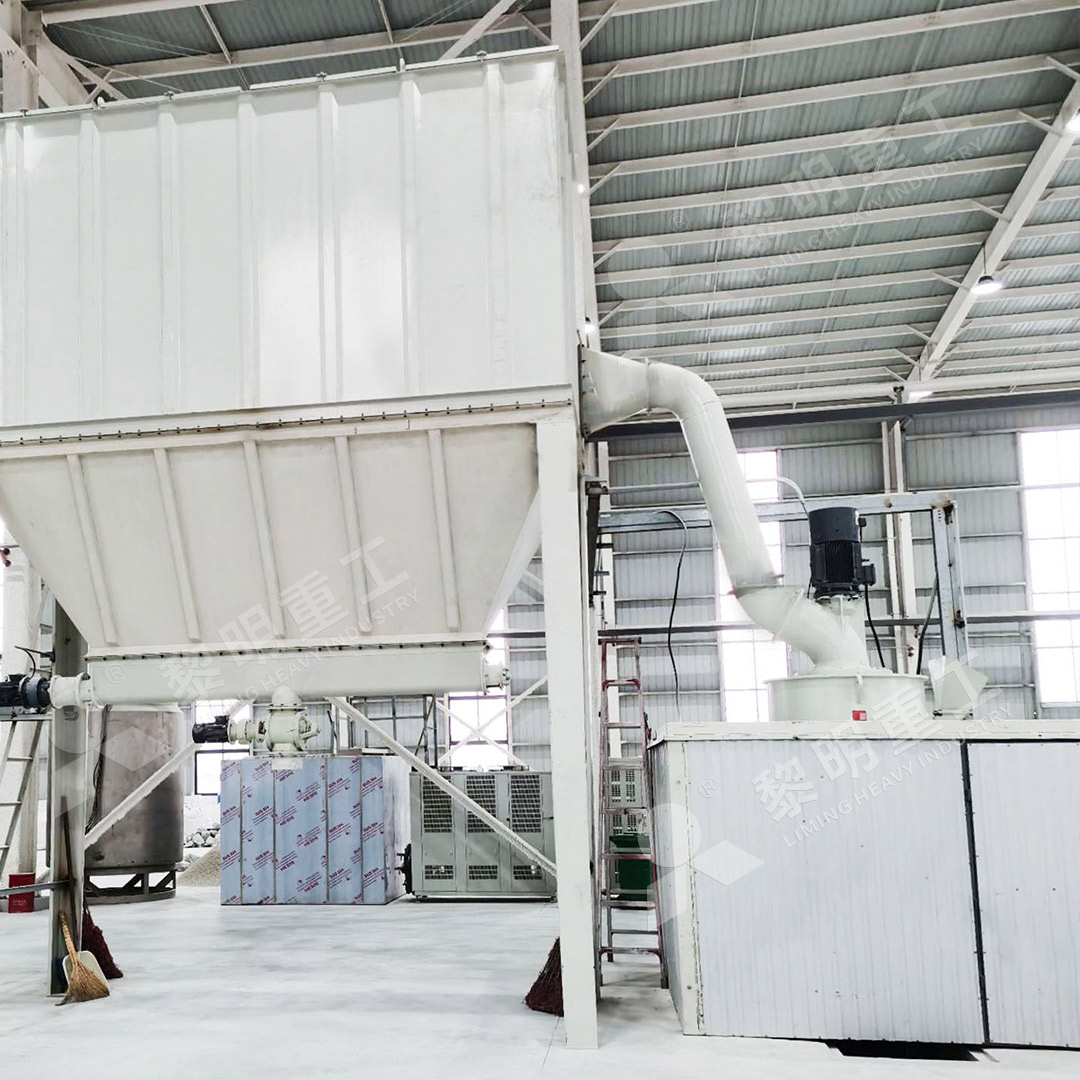
When ultra-fine powders (325-2500 mesh) are required for specialized applications, advanced technologies deliver superior results. The MW Ultrafine Grinding Mill stands out in this category, specifically engineered for customers needing to produce high-quality ultra-fine powder. With an input size of 0-20 mm and capacity ranging from 0.5-25 tph, this machine incorporates German powder separation technology to achieve precise fineness control between 325-2500 meshes. Its innovative design eliminates rolling bearings and screws in the grinding chamber, preventing common failure points and enabling continuous 24-hour operation.
Advanced Technology for Superior Performance
The MW series demonstrates remarkable efficiency gains, producing 40% higher capacity than jet mills and double the output of ball mills at equivalent fineness levels. Meanwhile, system energy consumption is reduced to just 30% of jet mill requirements. For operations prioritizing environmental compliance, the integrated pulse dust collector and muffler system ensures dust-free operation with minimal noise pollution, meeting stringent international environmental standards.
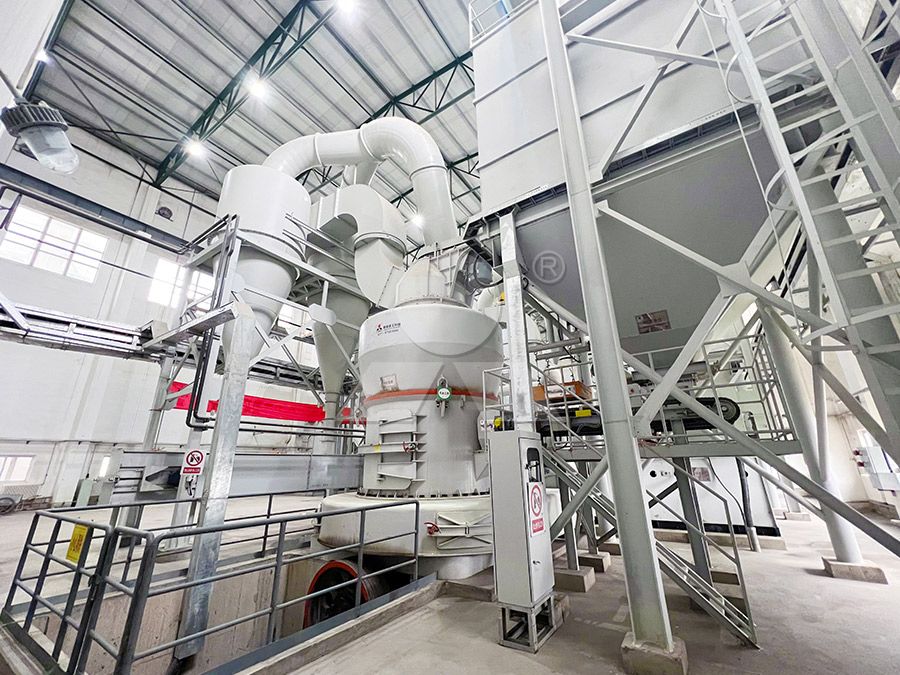
Another excellent option for gypsum processing is the LUM Ultrafine Vertical Grinding Mill, which combines Taiwanese grinding roller technology with German powder separation. This system excels in producing superfine dry powder with exceptional whiteness and cleanliness—critical qualities for premium gypsum products. Its reversible structure simplifies maintenance, while multi-head powder separating technology reduces energy consumption by 30-50% compared to conventional mills.
Operational Considerations and Maintenance
Beyond initial specifications, practical operational factors significantly impact long-term success. Maintenance accessibility varies considerably between mill designs. The MW Ultrafine Grinding Mill addresses this through external lubrication systems that allow maintenance without shutdowns. Similarly, digital processing of core components ensures higher precision and reliability. Availability of original spare parts and technical support should influence your decision, as downtime costs quickly outweigh initial savings from inferior equipment.
Making the Final Decision
Ultimately, the right mill for your gypsum powder manufacturing depends on your specific product requirements, production scale, and operational priorities. For operations targeting the high-value ultra-fine powder market, the MW Ultrafine Grinding Mill offers compelling advantages in efficiency, product quality, and operational reliability. Meanwhile, the LUM Ultrafine Vertical Grinding Mill provides excellent performance for operations requiring superior product whiteness and easier maintenance access.
We recommend consulting with technical experts to analyze your raw material characteristics and production goals. Most reputable manufacturers offer test milling services using your actual gypsum samples, providing definitive data on achievable fineness, throughput, and energy consumption before making capital investments.
Frequently Asked Questions
What is the optimal fineness range for different gypsum applications?
Construction plaster typically requires 100-200 mesh, while industrial fillers need 200-325 mesh. Specialty applications like medical or food-grade gypsum demand finer powders up to 2500 mesh, achievable with advanced mills like the MW series.
How important is moisture control in gypsum milling?
Critical. Gypsum’s solubility necessitates effective drying during grinding. Vertical mills with integrated drying systems maintain optimal moisture levels (typically below 1%) for efficient milling and product stability.
Can the same mill handle both natural and FGD gypsum?
Yes, with proper configuration. However, FGD gypsum often contains higher moisture and different impurity profiles. Mills with adjustable parameters like the MW series accommodate these variations through customizable grinding curves and separator settings.
What maintenance intervals should I expect?
Varies by technology. Ultra-fine mills like the MW series typically require roller and liner inspections every 2,000-3,000 operating hours, with major overhauls at 10,000-hour intervals under normal conditions.
How does gypsum abrasiveness affect mill selection?
Gypsum’s moderate abrasiveness still causes wear over time. Look for mills with wear-resistant alloys and designs that minimize metal-to-metal contact. The MW series addresses this with specialized grinding curves that reduce abrasive wear.