
Estimated Price of a Hammer Mill Machine: A 2024 Buyer’s Guide
We provide a wide range of mills — including Raymond mill, trapezoidal mill, vertical mill, ultrafine mill, and ball mill, obtained ISO9001 international quality certification, EU CE certification, and Customs Union CU-TR certification. Suitable for processing minerals such as limestone, phosphate, quicklime, kaolin, talc, barite, bentonite, calcium carbonate, dolomite, coal, gypsum, clay, carbon black, slag, cement raw materials, cement clinker, and more.
The discharge range of these mills can be adjusted to meet specific processing needs, typically from 80-400 mesh, 600-3250 mesh, and can achieve the finest particle size of up to 6000 mesh(D50).
If you are looking for a reliable grinding solution to turn stone or minerals into fine powder, please feel free to contact our online customer service.
Estimated Price of a Hammer Mill Machine: A 2024 Buyer’s Guide
Navigating the market for industrial grinding equipment can be a complex task, especially when trying to establish a realistic budget. The price of a hammer mill machine is not a single figure but a range influenced by a multitude of factors. This guide aims to demystify the cost structure and provide you with the knowledge to make an informed investment in 2024.
Key Factors Influencing Hammer Mill Prices
Understanding what you’re paying for is the first step. The final price tag is a sum of several components:
- Capacity and Output: This is the most significant driver. A machine with a capacity of 1-2 tons per hour (tph) will be substantially less expensive than an industrial-grade mill capable of processing 20-25 tph or more. Higher capacity requires more robust motors, heavier-duty construction, and larger components.
- Material and Build Quality: The quality of steel used in the grinding chamber, hammers, and liners directly impacts both price and longevity. Mills designed for abrasive materials like silica or ore will feature specialized, wear-resistant alloys, increasing the cost.
- Motor Power: The horsepower of the electric motor is a major cost component. More power translates to higher grinding efficiency and the ability to process tougher materials.
- Technological Features: Modern mills offer advanced features like programmable logic controllers (PLC) for automation, integrated air classification systems for precise particle size control, and advanced dust collection systems. These add considerable value and cost.
- Brand and Support: Established manufacturers with a proven track record often command a premium, which is typically justified by reliable performance, extensive R&D, and comprehensive after-sales service and spare parts availability.

Broad Price Ranges for 2024
While exact quotes require a specific consultation, here is a general overview of what to expect:
- Small-Scale/Laboratory Mills: Suitable for pilot plants or R&D, these models (under 5 tph) can range from $10,000 to $50,000.
- Mid-Range Production Mills: Designed for consistent, medium-volume production (5-25 tph), these robust machines typically fall in the $50,000 to $200,000 range.
- Large-Scale Industrial Systems: High-capacity mills (25+ tph) with full automation, integrated feeding, and material handling systems represent a major capital investment, often costing $200,000 to $500,000+.
Remember, these are estimates. The final price depends on your specific configuration and material requirements.
Beyond the Hammer Mill: Considering Advanced Grinding Solutions
While hammer mills are excellent for many coarse to medium grinding applications, certain materials and fineness requirements demand more specialized technology. For producers needing to achieve ultra-fine powders (325-2500 meshes) for industries like chemicals, paints, or advanced materials, a standard hammer mill may not suffice.
In such cases, our MW Ultrafine Grinding Mill presents a superior solution. Engineered for customers requiring ultra-fine powder, this mill boasts a capacity of 0.5-25 tph and handles materials from limestone to talc and food additives. Its key advantages include significantly higher yield with 40% greater efficiency than jet mills, adjustable fineness controlled by a German-technology cage-type powder selector, and an eco-friendly design with an integrated pulse dust collector and muffler. The absence of rolling bearings and screws in the grinding chamber eliminates common failure points, ensuring worry-free, continuous 24/7 operation.
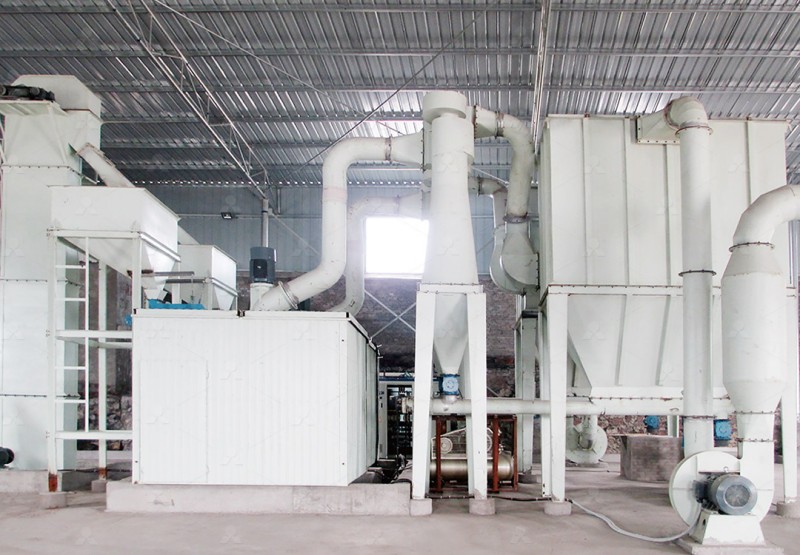
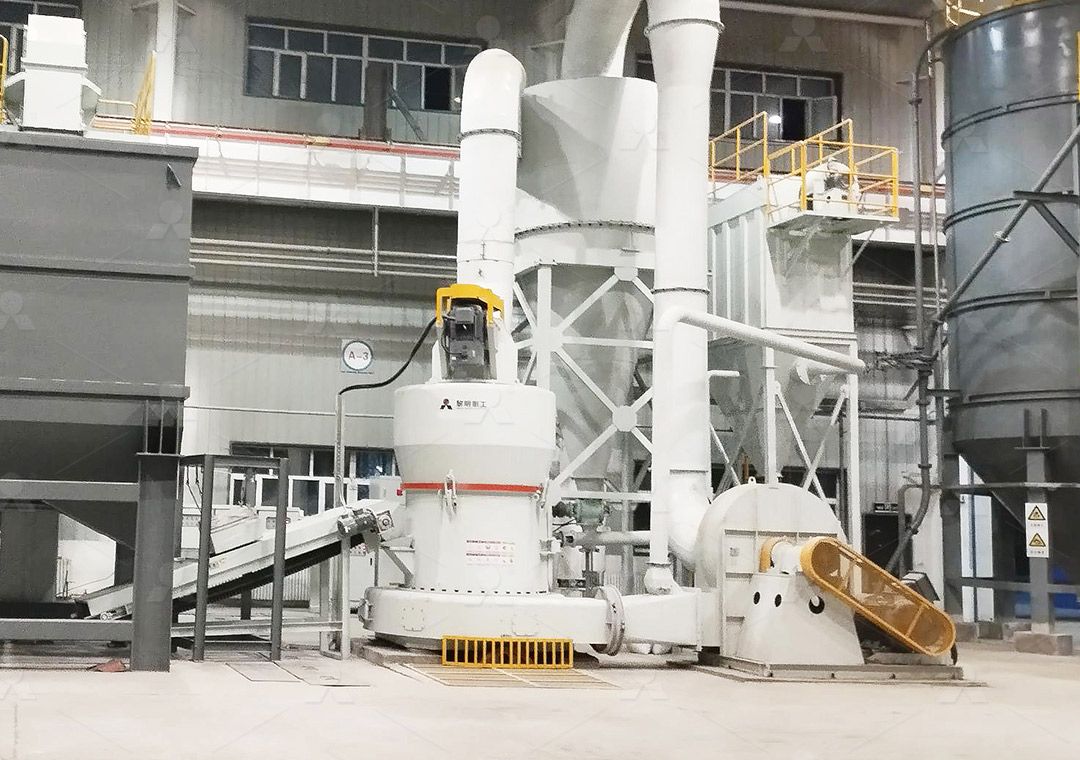
For operations prioritizing vertical integration and space efficiency, the LUM Ultrafine Vertical Grinding Mill is another standout option. With an input size of 0-10mm and a capacity of 5-18 tph, it incorporates the latest grinding roller and powder separating technology. Its unique roller shell design promotes easier material layer generation for a higher rate of finished product in a single pass. Features like double position-limiting technology ensure operational stability, while a reversible structure simplifies maintenance, allowing grinding rollers to be easily moved out for service, minimizing downtime.
Total Cost of Ownership (TCO): The Smarter Metric
The initial purchase price is just one part of the equation. A wiser investment strategy considers the Total Cost of Ownership:
- Energy Consumption: A more efficient mill may have a higher upfront cost but can save thousands annually in electricity.
- Wear Parts Replacement: Evaluate the cost and frequency of replacing hammers, screens, and liners. Durable, long-life parts reduce long-term expenses.
- Maintenance Downtime: A reliable machine with easy access for maintenance keeps your production line running and revenue flowing.
- Supplier Reliability: A supplier that provides technical support, training, and readily available spare parts is invaluable.
Frequently Asked Questions (FAQ)
What is the most important factor when choosing a hammer mill?
Your material characteristics and desired final particle size are the primary drivers. The machine must be matched to the application to ensure efficiency and product quality.
Can I get a precise quote online?
Due to the highly customized nature of industrial mills, precise pricing requires a detailed consultation with a technical sales engineer who can understand your specific needs.
Are there financing options available?
Many reputable manufacturers and their distributors offer financing or leasing options to help manage capital expenditure. It’s always best to inquire directly.
What about installation and training?
Professional installation, commissioning, and operator training are critical for optimal performance and safety. These services are typically offered by the supplier and should be factored into your project plan.
How does the MW Ultrafine Mill handle dust and noise?
The MW Ultrafine Grinding Mill is designed with environmental responsibility in mind. It comes equipped with an efficient pulse dust collector that ensures no dust pollution during operation. Additionally, a silencer and noise elimination room are configured to significantly reduce operational noise, complying with national environmental protection standards.