
Second Hand Ball Mill for Sale in Indonesia: Price Guide & Supplier Tips
We provide a wide range of mills — including Raymond mill, trapezoidal mill, vertical mill, ultrafine mill, and ball mill, obtained ISO9001 international quality certification, EU CE certification, and Customs Union CU-TR certification. Suitable for processing minerals such as limestone, phosphate, quicklime, kaolin, talc, barite, bentonite, calcium carbonate, dolomite, coal, gypsum, clay, carbon black, slag, cement raw materials, cement clinker, and more.
The discharge range of these mills can be adjusted to meet specific processing needs, typically from 80-400 mesh, 600-3250 mesh, and can achieve the finest particle size of up to 6000 mesh(D50).
If you are looking for a reliable grinding solution to turn stone or minerals into fine powder, please feel free to contact our online customer service.
Navigating the Second-Hand Ball Mill Market in Indonesia
For many mining and industrial operations in Indonesia, acquiring reliable grinding equipment is a crucial investment. While new machinery offers the latest features, a well-maintained second-hand ball mill can provide exceptional value, balancing performance with budget constraints. The Indonesian market offers various used options, but navigating this landscape requires careful consideration.
Key Factors Influencing Second-Hand Ball Mill Prices
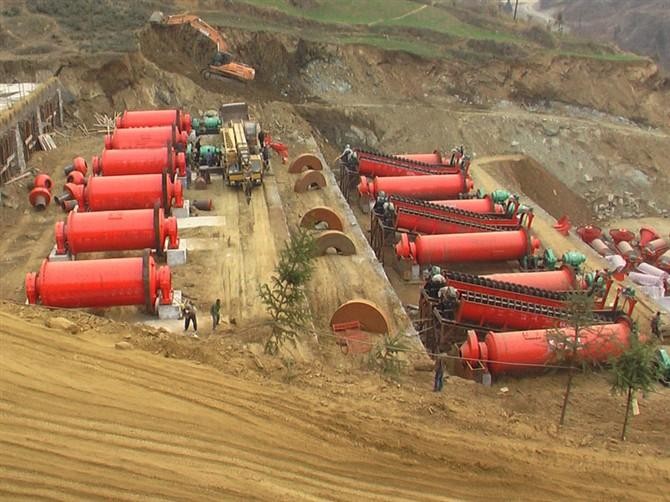
The price of a used ball mill in Indonesia is not a fixed figure; it fluctuates based on several critical factors. The machine’s age, overall condition, and remaining operational life are primary determinants. A mill with extensive service records and recently replaced wear parts like liners and grinding media will command a higher price. Capacity is another significant driver; larger mills capable of processing higher tonnages are naturally more expensive. Brand reputation also plays a role, with well-known manufacturers often retaining better resale value due to perceived reliability and easier access to spare parts. Finally, location and logistical costs within the Indonesian archipelago can add substantially to the final cost.
Beyond the Ball Mill: Considering Modern Grinding Alternatives
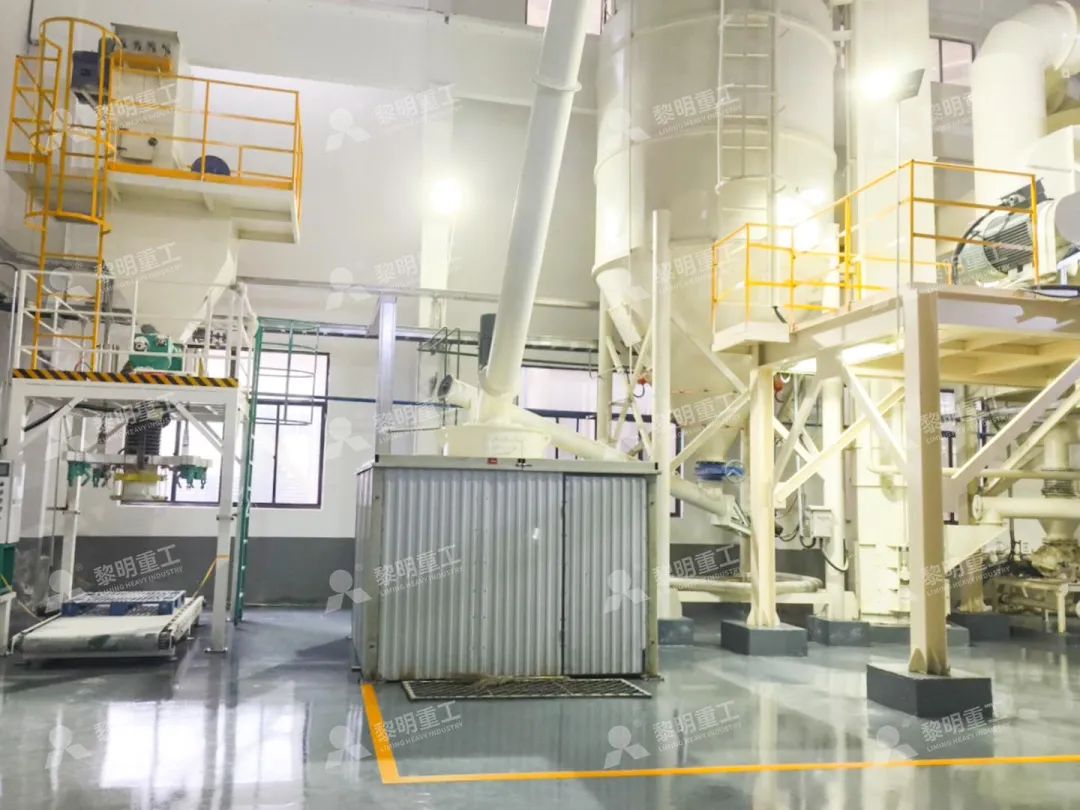
While a second-hand ball mill might seem like the most straightforward choice, it’s wise to evaluate if newer grinding technologies could offer better long-term economics. Modern mills are designed for significantly higher energy efficiency and lower wear-part consumption. For operations focused on producing ultra-fine powders, technologies like our MW Ultrafine Grinding Mill present a compelling alternative. This machine is engineered for customers requiring ultra-fine powder between 325-2500 meshes. It boasts a 40% higher production capacity than jet mills and double the yield of a ball mill with the same power input, while reducing system energy consumption by up to 70%. Its innovative design, with no rolling bearings or screws in the grinding chamber, minimizes maintenance worries and allows for 24-hour continuous operation.
Essential Supplier Tips for a Smart Purchase
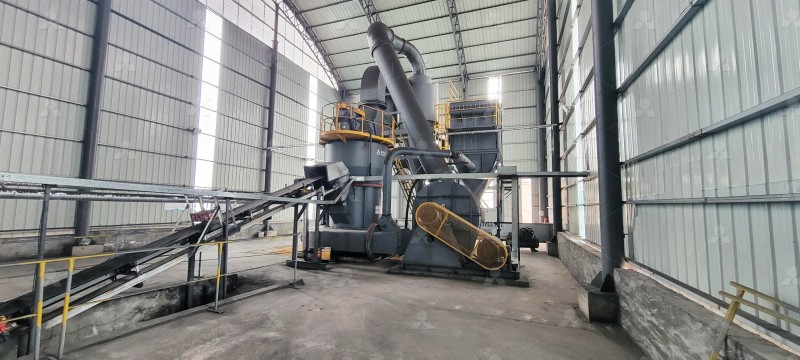
Choosing the right supplier is as important as selecting the machine itself. Prioritize suppliers with a proven track record in Indonesia who can provide transparent service history for the equipment. A reputable supplier will allow for a thorough, independent inspection. They should also offer robust after-sales support, including genuine spare parts availability. Don’t hesitate to ask for references from previous customers. For those considering a more advanced solution, inquire about comprehensive support packages. For instance, our LUM Ultrafine Vertical Grinding Mill comes with guaranteed technical service and original spare parts to ensure worry-free operation. The LUM mill integrates grinding, grading, and transporting, offering higher yielding rates and 30%-50% lower energy consumption compared to conventional mills, making it a superior choice for many applications.
Making the Final Decision: Ball Mill vs. Advanced Technology
The decision ultimately hinges on your specific production goals, budget, and operational priorities. A second-hand ball mill can be a cost-effective entry point. However, the lower initial cost must be weighed against potentially higher energy bills, maintenance downtime, and lower efficiency. Conduct a thorough Total Cost of Ownership (TCO) analysis that includes power consumption, wear-part replacement frequency, and expected output quality. For many operations, the superior efficiency and reliability of a new, advanced mill like the MW or LUM series can lead to a faster return on investment and a stronger competitive edge in the long run.
Frequently Asked Questions (FAQ)
What is the typical price range for a second-hand ball mill in Indonesia?
Prices can vary widely from IDR 500 million to several billion Rupiah, depending heavily on size, condition, and capacity. It’s essential to get quotes based on a specific technical requirement.
What are the main risks of buying used grinding equipment?
The primary risks include hidden mechanical damage, undocumented wear, lack of available spare parts, and no reliable warranty or technical support from the seller.
How does an ultrafine grinding mill compare to a traditional ball mill?
Ultrafine mills like the MW series are generally more energy-efficient, produce a finer and more consistent product, have a smaller footprint, and are designed for lower maintenance. They are specialized for high-value, fine-powder production.
Can your company provide support for equipment not originally purchased from you?
While we specialize in supporting our own products (MW, LUM, LM series, etc.), we can offer general technical consulting. For optimal performance and guaranteed spare parts, we recommend considering our machinery.
Are there financing options available for new grinding mills?
Yes, we work with financial partners to offer flexible financing solutions for qualified clients, making advanced technology like our vertical and ultrafine grinding mills more accessible.