
How to Choose a High-Efficiency Vertical Mill for Pulverized Coal in Casting
We provide a wide range of mills — including Raymond mill, trapezoidal mill, vertical mill, ultrafine mill, and ball mill, obtained ISO9001 international quality certification, EU CE certification, and Customs Union CU-TR certification. Suitable for processing minerals such as limestone, phosphate, quicklime, kaolin, talc, barite, bentonite, calcium carbonate, dolomite, coal, gypsum, clay, carbon black, slag, cement raw materials, cement clinker, and more.
The discharge range of these mills can be adjusted to meet specific processing needs, typically from 80-400 mesh, 600-3250 mesh, and can achieve the finest particle size of up to 6000 mesh(D50).
If you are looking for a reliable grinding solution to turn stone or minerals into fine powder, please feel free to contact our online customer service.
How to Choose a High-Efficiency Vertical Mill for Pulverized Coal in Casting
Selecting the right vertical mill for pulverized coal preparation is a critical decision for any casting operation. The efficiency, fineness, and consistency of the coal powder directly impact the quality of castings, energy consumption, and overall production costs. With various technologies available, making an informed choice requires a clear understanding of your specific operational needs and the capabilities of different mill types.
Key Considerations for Mill Selection
Before diving into specific models, it’s essential to define your requirements. Key parameters include the required production capacity (tph), the desired fineness of the pulverized coal (measured in meshes or micrometers), the moisture content of the raw coal, and your available plant space. For casting applications, a consistent and fine powder is paramount to ensure uniform combustion and heat distribution in the furnace.
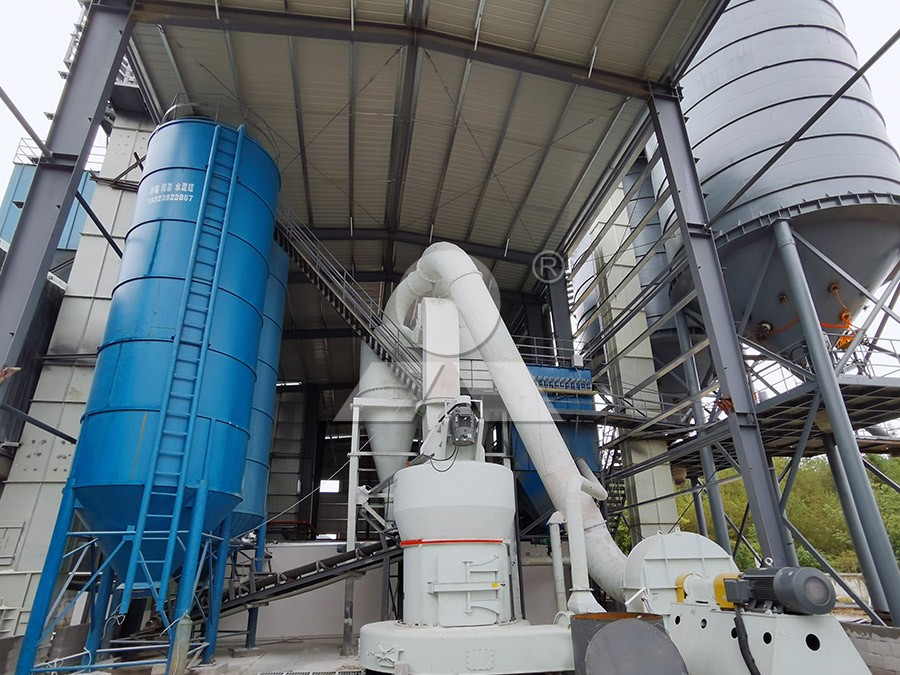
Vertical roller mills have become the preferred choice over traditional ball mills due to their superior energy efficiency, smaller footprint, and integrated drying capabilities. They integrate crushing, grinding, drying, and classification in a single unit, simplifying the process flow and reducing initial investment.
Advanced Technologies for Superior Performance
Modern vertical mills incorporate technologies that significantly enhance performance. Look for features like efficient powder separators that allow precise control over fineness, hydraulic systems for easy grinding pressure adjustment, and robust designs that minimize vibration and wear. Environmental compliance is also crucial; modern mills should operate with minimal dust emissions and noise.
Our Recommended Solution: The LM Vertical Coal Mill
For foundries seeking a reliable and high-performance solution, we highly recommend the LM Vertical Coal Mill. This mill is specifically engineered for pulverized coal preparation, offering a capacity range of 5-100 T/H and handling input sizes up to 50mm. Its standout advantage is the integration of drying and grinding, which is ideal for coal with inherent moisture.
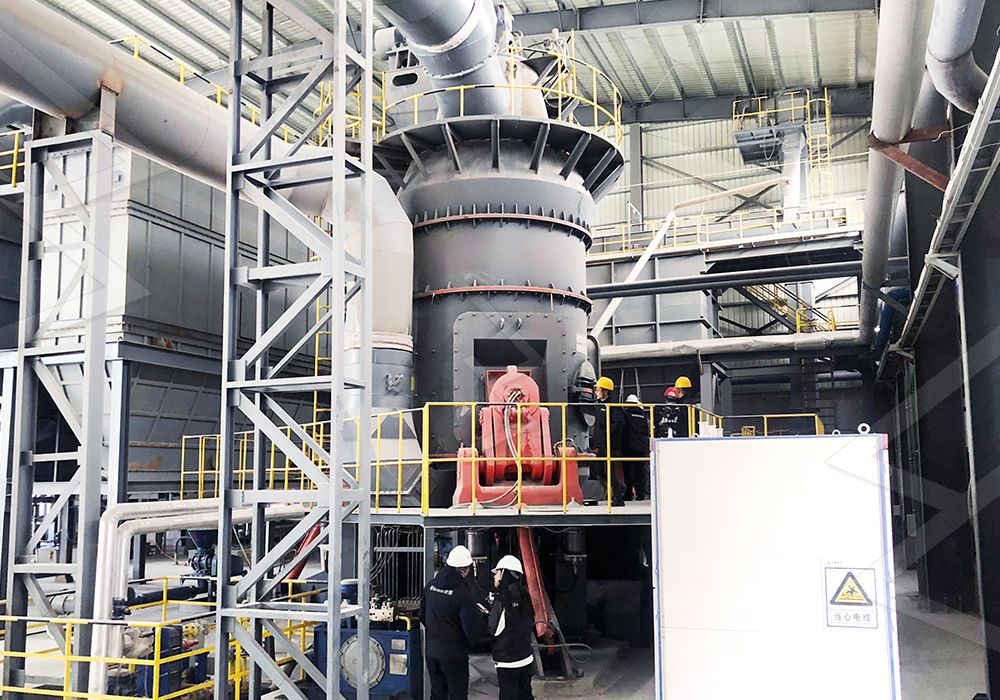
The LM Vertical Coal Mill boasts several critical features for casting operations:
- High Grinding Efficiency: Saves 40%-50% power consumption compared to ball mills, directly reducing operational costs.
- Stable Product Quality: The material residence time is short (2-3 minutes), minimizing over-grinding and ensuring a narrow particle size distribution for uniform combustion.
- Simple and Reliable Operation: Equipped with limit devices to prevent roller-to-table contact and a hydraulic system that allows rollers to be turned out for easy maintenance.
- Environmental Friendliness: The entire system operates under negative pressure, preventing dust spillage, and features low noise levels.
An Alternative for Ultra-Fine Requirements: The MW Ultrafine Grinding Mill
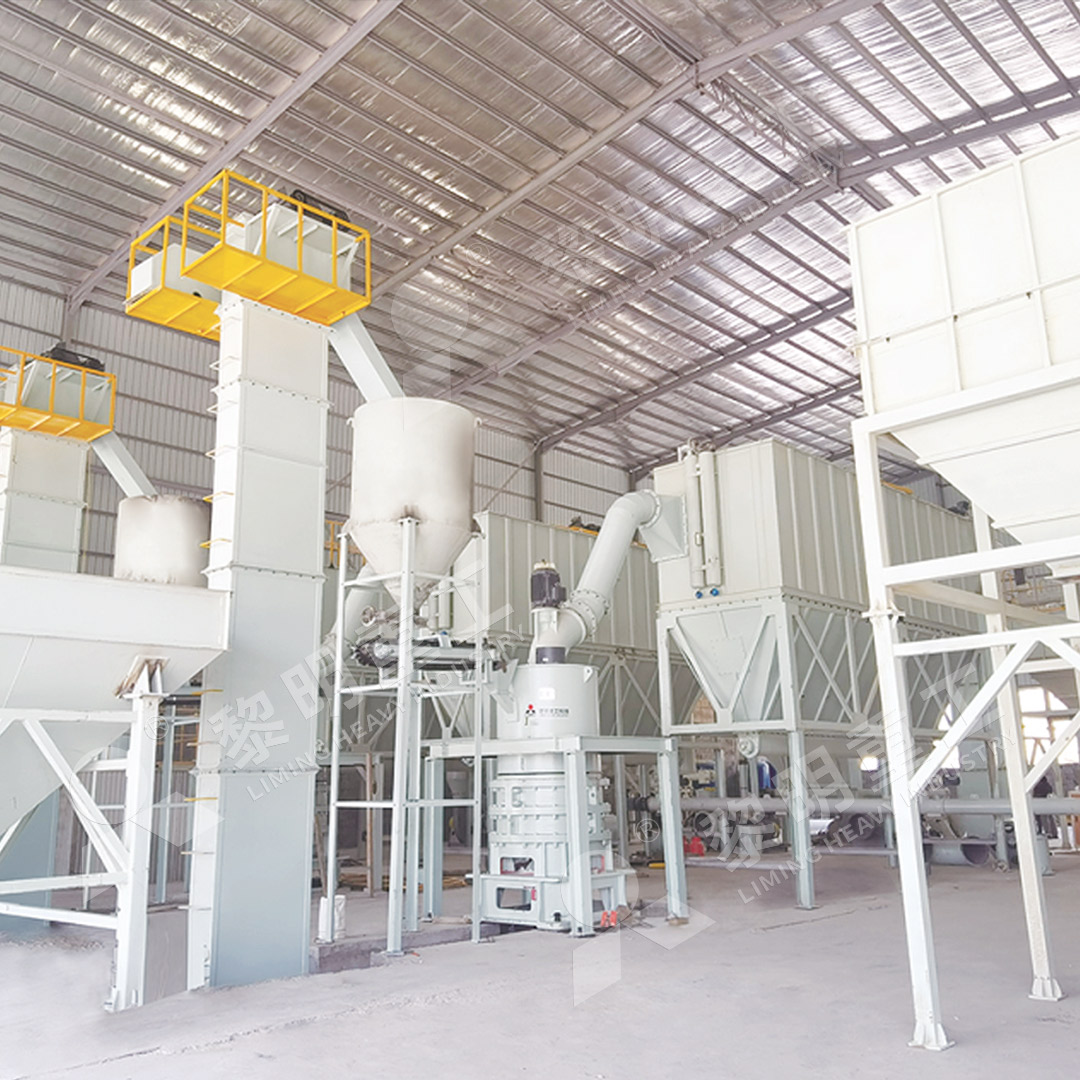
For applications demanding exceptionally fine pulverized coal (adjustable between 325-2500 meshes), the MW Ultrafine Grinding Mill presents an excellent alternative. With a capacity of 0.5-25 TPH and an input size of 0-20mm, it is designed for precision grinding. Its unique design, which eliminates rolling bearings and screws from the grinding chamber, enhances reliability and allows for external lubrication without shutdown, supporting continuous 24/7 production—a significant advantage for high-volume casting facilities.
Conclusion
Investing in the right vertical mill is an investment in the quality and efficiency of your casting production. By focusing on your specific capacity, fineness, and operational stability needs, you can select a mill that delivers long-term value. The LM Vertical Coal Mill stands out as a robust, efficient, and environmentally sound choice for most pulverized coal applications in the casting industry.
Frequently Asked Questions (FAQ)
What is the main advantage of a vertical mill over a traditional ball mill for coal grinding?
Vertical mills are significantly more energy-efficient, often saving 30-50% on power consumption. They also have a much smaller footprint, integrate drying and grinding processes, and offer better control over product fineness.
How important is the fineness of pulverized coal for casting?
Extremely important. Consistent and fine coal powder ensures uniform and efficient combustion in furnaces, leading to stable temperatures, better metal quality, reduced slag, and lower fuel consumption.
Can the LM Vertical Coal Mill handle wet coal?
Yes, one of the key features of the LM Vertical Coal Mill is its ability to simultaneously dry and grind coal, making it well-suited for raw coal with moderate moisture content.
What kind of maintenance should I expect with these mills?
Modern vertical mills like the LM series are designed for low maintenance. Features like external lubrication systems and hydraulic roller-out devices make inspecting and replacing wear parts like rollers and liner plates relatively straightforward, minimizing downtime.
Are these mills environmentally compliant?
Absolutely. Both the LM and MW mills are equipped with efficient pulse dust collectors and operate under negative pressure to prevent dust emissions. They are also designed with noise reduction features to meet national environmental protection standards.