
How to Choose a 20tph Anthracite Coal Mill for South African Operations
We provide a wide range of mills — including Raymond mill, trapezoidal mill, vertical mill, ultrafine mill, and ball mill, obtained ISO9001 international quality certification, EU CE certification, and Customs Union CU-TR certification. Suitable for processing minerals such as limestone, phosphate, quicklime, kaolin, talc, barite, bentonite, calcium carbonate, dolomite, coal, gypsum, clay, carbon black, slag, cement raw materials, cement clinker, and more.
The discharge range of these mills can be adjusted to meet specific processing needs, typically from 80-400 mesh, 600-3250 mesh, and can achieve the finest particle size of up to 6000 mesh(D50).
If you are looking for a reliable grinding solution to turn stone or minerals into fine powder, please feel free to contact our online customer service.
Navigating the Selection of a 20tph Anthracite Coal Mill in South Africa
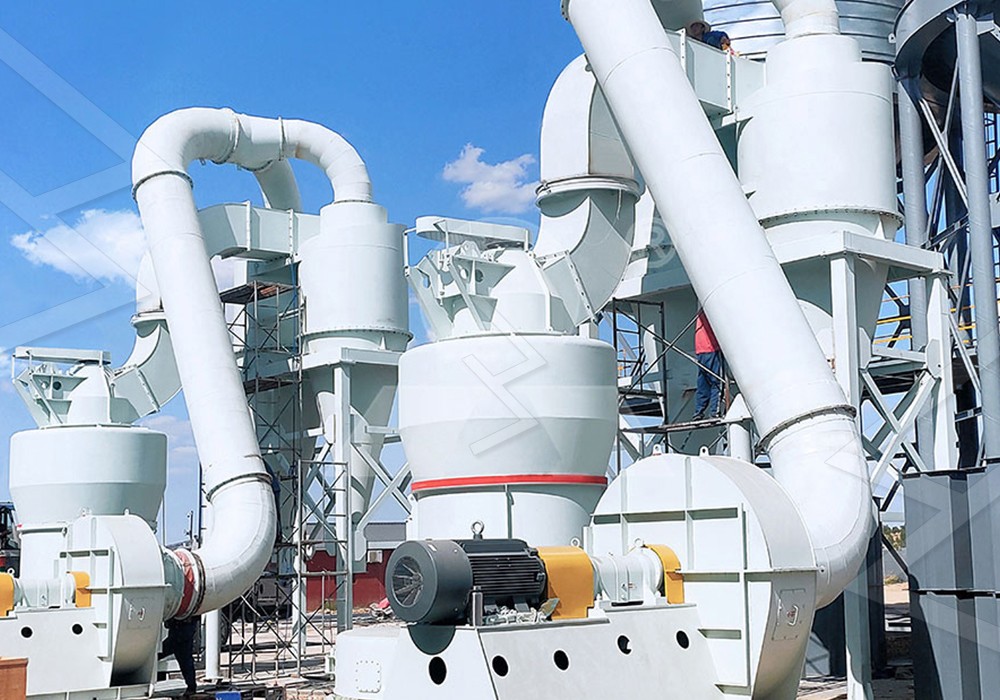
Selecting the right coal grinding mill is a critical decision for any operation in South Africa’s demanding industrial landscape. Anthracite coal, known for its high carbon content and hardness, presents specific grinding challenges that require robust and efficient milling solutions. A throughput of 20 tonnes per hour (tph) is a common requirement for mid-sized power generation, cement production, or industrial heating applications. The choice must balance performance, energy efficiency, maintenance costs, and compliance with local environmental regulations.
Key Considerations for Anthracite Milling
Anthracite is a hard, dense coal with low volatile matter. Its abrasive nature demands a mill constructed from high-wear-resistant materials. The primary goal is to achieve a consistent fine powder (often between 200-325 mesh) for efficient combustion. Key selection criteria include:
- Grinding Efficiency: The mill must deliver high output with low specific energy consumption (kWh/t).
- Wear Resistance: Components like rollers and grinding tables must withstand abrasion to ensure long service life and low operating costs.
- Drying Capacity: South African anthracite can have varying moisture content. A mill with integrated drying capability is a significant advantage.
- Environmental Compliance: Operations must manage dust and noise effectively, adhering to South Africa’s National Environmental Management Act.
- Reliability and Maintenance: Ease of maintenance and access to spare parts are crucial for minimizing downtime.
Vertical Mill Technology: A Superior Choice for 20tph Anthracite
For a 20tph anthracite application, vertical roller mills (VRMs) have become the industry preferred choice over traditional ball mills. VRMs integrate grinding, drying, and classification in a single unit, offering a smaller footprint and 30-50% lower energy consumption. Their ability to handle feed material with higher moisture and their precise control over product fineness make them particularly suitable.
Recommended Solution: The LM Vertical Coal Mill
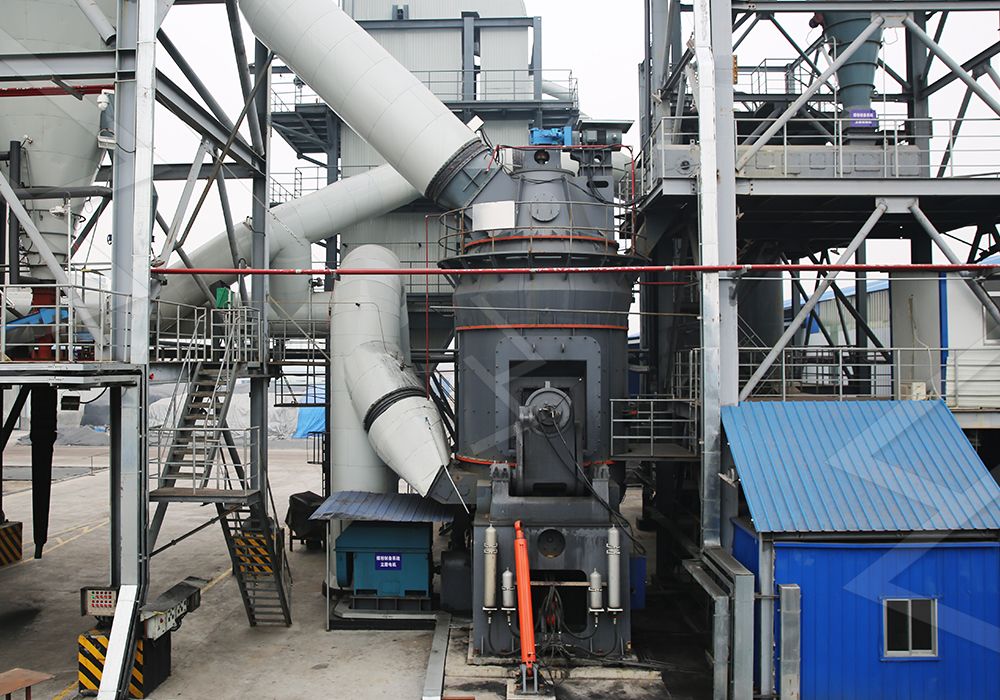
Based on the specific requirements for processing 20tph of anthracite coal in South Africa, our LM Vertical Coal Mill stands out as an ideal solution. This mill is engineered to handle the hardness of anthracite while delivering exceptional operational economy.
Key advantages of the LM Vertical Coal Mill for your operation include:
- Proven 20tph Capacity: Designed for capacities up to 100 tph, the LM mill reliably meets and exceeds the 20tph target.
- Integrated Drying: It can simultaneously grind and dry coal with up to 15% moisture content using hot gas from a kiln or a dedicated heater.
- High Wear Resistance: The grinding roller and table are made from high-chromium alloy materials, specifically designed to combat the abrasiveness of anthracite.
- Energy Efficiency: Its grinding mechanism consumes 40%-50% less power than a ball mill of equivalent capacity, a critical factor given South Africa’s energy costs.
- Environmental Friendliness: The entire system operates under negative pressure, ensuring no dust spillage. It is also equipped with a pulse dust collector and noise reduction features.
- Easy Maintenance: The hydraulic system allows grinding rollers to be turned out of the mill for easy inspection and part replacement, drastically reducing downtime.
Alternative for Ultra-Fine Requirements: The MW Ultrafine Grinding Mill
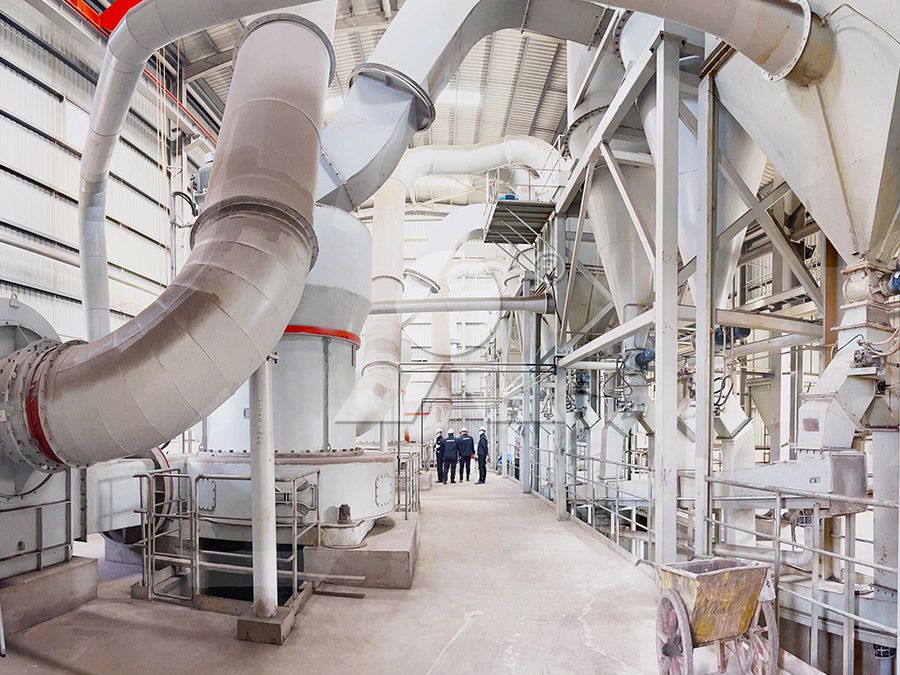
For applications demanding an exceptionally fine powder (up to 2500 meshes), such as in specialized industrial processes or for creating pulverized coal injection (PCI) coal for blast furnaces, our MW Ultrafine Grinding Mill is a compelling option. While its standard capacity range (0.5-25 tph) perfectly encompasses the 20tph target, its core strength lies in its precision. The advanced cage-type powder selector allows for exact control over fineness. Furthermore, its unique design with no rolling bearings or screws in the grinding chamber eliminates common failure points, enhancing reliability for continuous 24/7 South African operations.
Frequently Asked Questions (FAQ)
Q1: Why is a vertical mill better than a ball mill for grinding anthracite coal?
A: Vertical mills are significantly more energy-efficient (saving 30-50% power), have a smaller footprint, and feature integrated drying and classification. For abrasive materials like anthracite, their wear parts are also more accessible and quicker to replace.
Q2: How does the LM Vertical Coal Mill handle the abrasive nature of South African anthracite?
A: The LM Mill uses specially designed, high-chromium alloy grinding rollers and tables that offer superior wear resistance. This design extends the service life of vulnerable parts and maintains grinding efficiency over longer periods, reducing operating costs.
Q3: What kind of after-sales support and spare parts availability can we expect in South Africa?
A: We maintain a robust supply chain and technical support network. We are committed to providing timely delivery of original spare parts and on-site or remote technical services to ensure your 20tph operation runs smoothly and without interruption.
Q4: Can the mill system be automated?
A: Yes, the LM Vertical Coal Mill comes with a comprehensive automatic control system. This allows for remote monitoring and operation, stable control of the grinding process, and optimization of energy use, which is crucial for efficient plant management.