
Ball Mill Manufacturing in Australia: A Comprehensive Guide
We provide a wide range of mills — including Raymond mill, trapezoidal mill, vertical mill, ultrafine mill, and ball mill, obtained ISO9001 international quality certification, EU CE certification, and Customs Union CU-TR certification. Suitable for processing minerals such as limestone, phosphate, quicklime, kaolin, talc, barite, bentonite, calcium carbonate, dolomite, coal, gypsum, clay, carbon black, slag, cement raw materials, cement clinker, and more.
The discharge range of these mills can be adjusted to meet specific processing needs, typically from 80-400 mesh, 600-3250 mesh, and can achieve the finest particle size of up to 6000 mesh(D50).
If you are looking for a reliable grinding solution to turn stone or minerals into fine powder, please feel free to contact our online customer service.
Ball Mill Manufacturing in Australia: A Comprehensive Guide
The Australian mining and mineral processing sector has long relied on robust and efficient grinding technology to power its operations. While traditional ball mills have been a staple for decades, the industry is increasingly embracing advanced grinding solutions that offer superior efficiency, lower operating costs, and enhanced environmental performance. For manufacturers and operators alike, understanding the evolution of milling technology is key to maintaining a competitive edge.
The Evolution of Grinding Technology
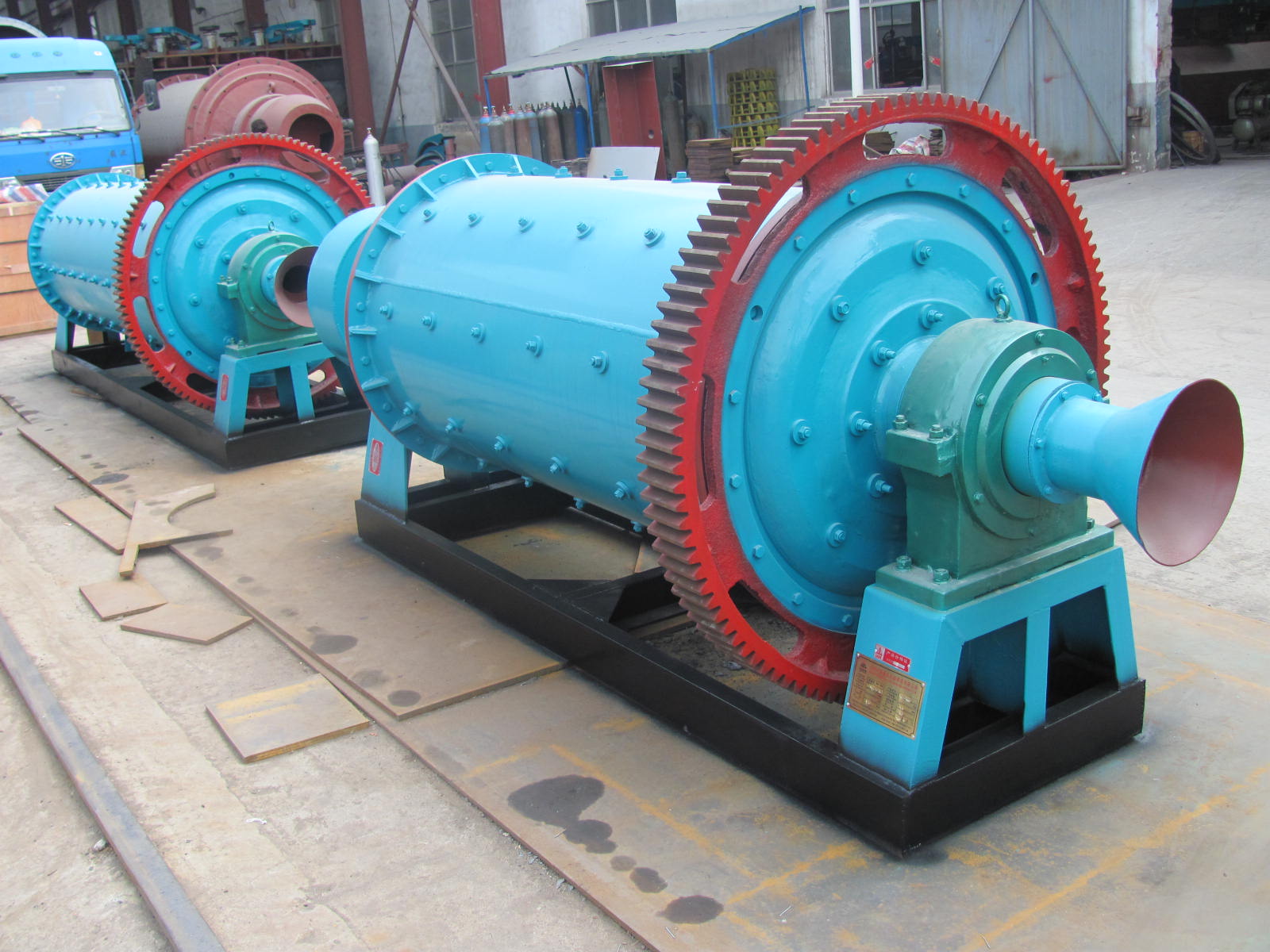
Ball mills operate on a simple principle: a rotating cylinder filled with grinding media (typically steel balls) cascades and tumbles the material, reducing it to a fine powder through impact and attrition. While effective, this method is energy-intensive and can lead to high wear and maintenance costs. The quest for greater efficiency has driven innovation, leading to the development of mills that integrate multiple processes like drying, grinding, and classifying into a single, compact unit.
Modern milling solutions are designed with a focus on reducing the overall footprint and energy consumption. For instance, vertical roller mills can occupy up to 50% less space than a comparable ball mill system and offer energy savings of 30-40%. This is a significant consideration for Australian operations where space and power costs are major operational factors.
Specialized Solutions for Fine and Ultra-Fine Grinding
Many Australian applications, particularly in sectors like chemicals, advanced materials, and high-value minerals, demand powders of exceptional fineness. This is where traditional ball mills reach their limitations. For producing ultra-fine powders between 325 and 2500 meshes, specialized equipment is required.
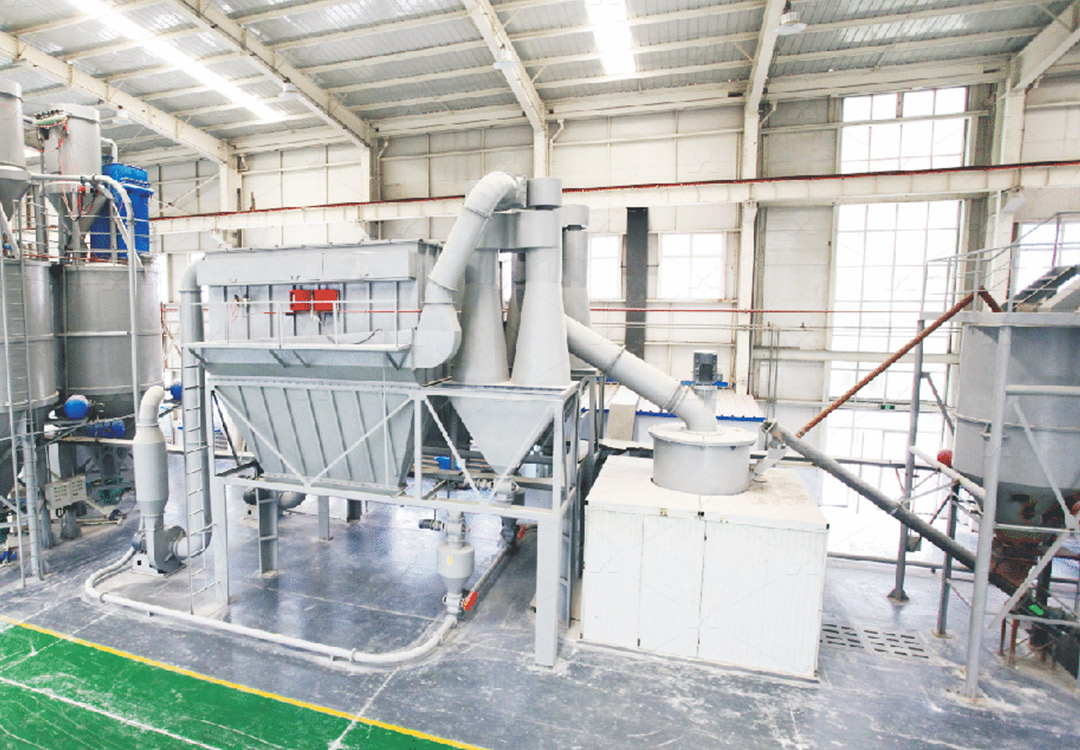
We recommend considering our MW Ultrafine Grinding Mill for such demanding applications. This machine is engineered for customers who need to make ultra-fine powder efficiently. With an input size of 0-20 mm and a capacity range of 0.5-25 tph, it is equipped with an efficient pulse dust collector and muffler, significantly reducing dust and noise for a more environmentally friendly operation. Its innovative design features higher yielding and lower energy consumption—achieving 40% higher capacity than jet mills while using only 30% of the energy. The absence of rolling bearings and screws in the grinding chamber also eliminates common failure points, ensuring worry-free, continuous 24/7 production.
Embracing Automation and Digital Precision
The future of milling in Australia is undoubtedly digital. Modern mills are increasingly equipped with PLC control systems and expert-level automation, allowing for remote monitoring and precise control over grinding parameters. This digitalization extends to the manufacturing process itself, where numerical control machine tools ensure high precision in core components, leading to greater reliability and longevity.
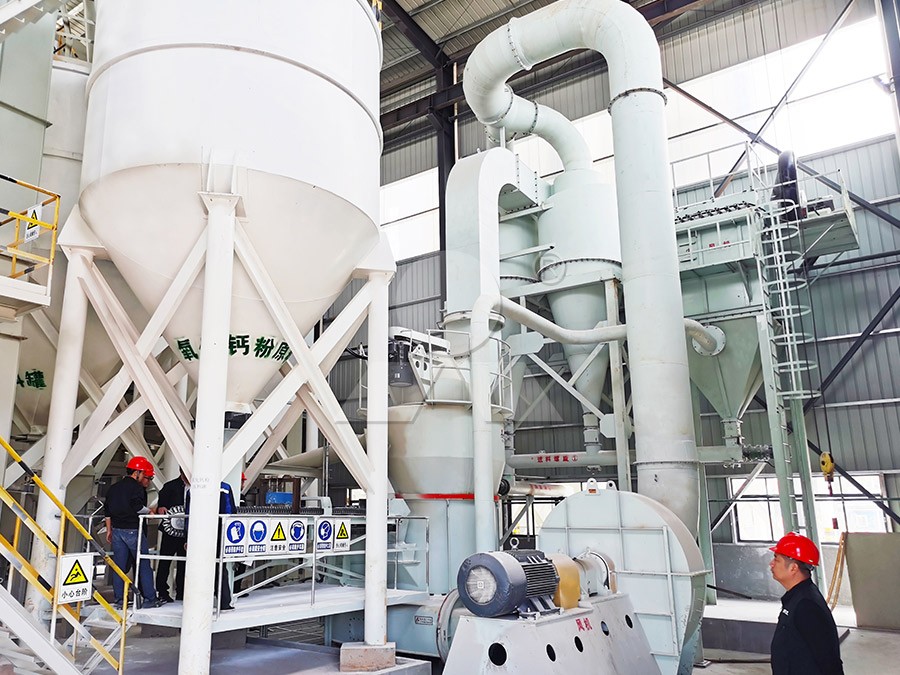
Another excellent option for operations seeking high precision and efficiency is the LUM Ultrafine Vertical Grinding Mill. Independently designed with the latest grinding roller and powder separating technology, it integrates grinding, grading, and transporting. It features a unique reversible structure that simplifies maintenance, allowing grinding rollers to be easily moved out of the body for inspection. With an input size of 0-10 mm and a capacity of 5-18 tph, its multi-head powder separating technology and double position-limiting technology make it a stable and energy-saving choice for producing superfine dry powders.
Conclusion
The Australian manufacturing and resources sector requires grinding solutions that are not only powerful but also smart, sustainable, and cost-effective. By moving beyond conventional ball mill technology and adopting advanced vertical and ultra-fine mills, operators can achieve significant gains in productivity and environmental compliance. The key is to select the right technology for the specific material and fineness requirements.
Frequently Asked Questions (FAQ)
What are the main disadvantages of a traditional ball mill?
Traditional ball mills are known for their high energy consumption, significant wear on grinding media and liners, large physical footprint, and limited ability to produce very fine powders efficiently. They also often require auxiliary equipment for drying and classification.
When should I consider an ultrafine grinding mill over a ball mill?
An ultrafine grinding mill is the preferred choice when your application requires a final product fineness exceeding 325 meshes. They are also far more energy-efficient for fine grinding tasks, offer better control over particle size distribution, and typically have a smaller operational footprint.
How important is after-sales support for grinding mill equipment in Australia?
It is critical. Given the remote locations of many Australian mines and processing plants, reliable technical support and immediate availability of genuine spare parts are essential for minimizing downtime. Choosing a supplier with a strong local presence and a commitment to after-sales service ensures worry-free operation.
Can these advanced mills handle Australian hard ores?
Yes, modern mills like the MW and LUM series are built with wear-resistant materials and robust designs to handle a wide range of material hardness. Features like hydraulic pressure systems allow the grinding force to be adjusted to suit the hardness of the ore, protecting the machine and ensuring consistent output.