
Crushers and Grinders: A Look at Termokimik Corporation’s Industrial Milling Equipment
We provide a wide range of mills — including Raymond mill, trapezoidal mill, vertical mill, ultrafine mill, and ball mill, obtained ISO9001 international quality certification, EU CE certification, and Customs Union CU-TR certification. Suitable for processing minerals such as limestone, phosphate, quicklime, kaolin, talc, barite, bentonite, calcium carbonate, dolomite, coal, gypsum, clay, carbon black, slag, cement raw materials, cement clinker, and more.
The discharge range of these mills can be adjusted to meet specific processing needs, typically from 80-400 mesh, 600-3250 mesh, and can achieve the finest particle size of up to 6000 mesh(D50).
If you are looking for a reliable grinding solution to turn stone or minerals into fine powder, please feel free to contact our online customer service.
Crushers and Grinders: A Look at Termokimik Corporation’s Industrial Milling Equipment
In the demanding world of industrial processing, the efficiency and reliability of size reduction equipment are paramount. From mining and minerals to chemicals and construction materials, crushers and grinding mills form the backbone of countless operations, transforming raw, bulky materials into precisely graded powders. Termokimik Corporation has established itself as a leader in this field, engineering solutions that prioritize not only productivity but also sustainability and operational ease.
The journey from raw material to finished powder is a multi-stage process. Primary crushers handle the initial breakdown of large rocks and ores, while secondary and tertiary crushers further reduce the particle size. However, it is the grinding mill that performs the final, critical step of creating ultra-fine powders. The choice of mill depends on a complex interplay of factors: material hardness, required fineness, moisture content, and desired capacity.
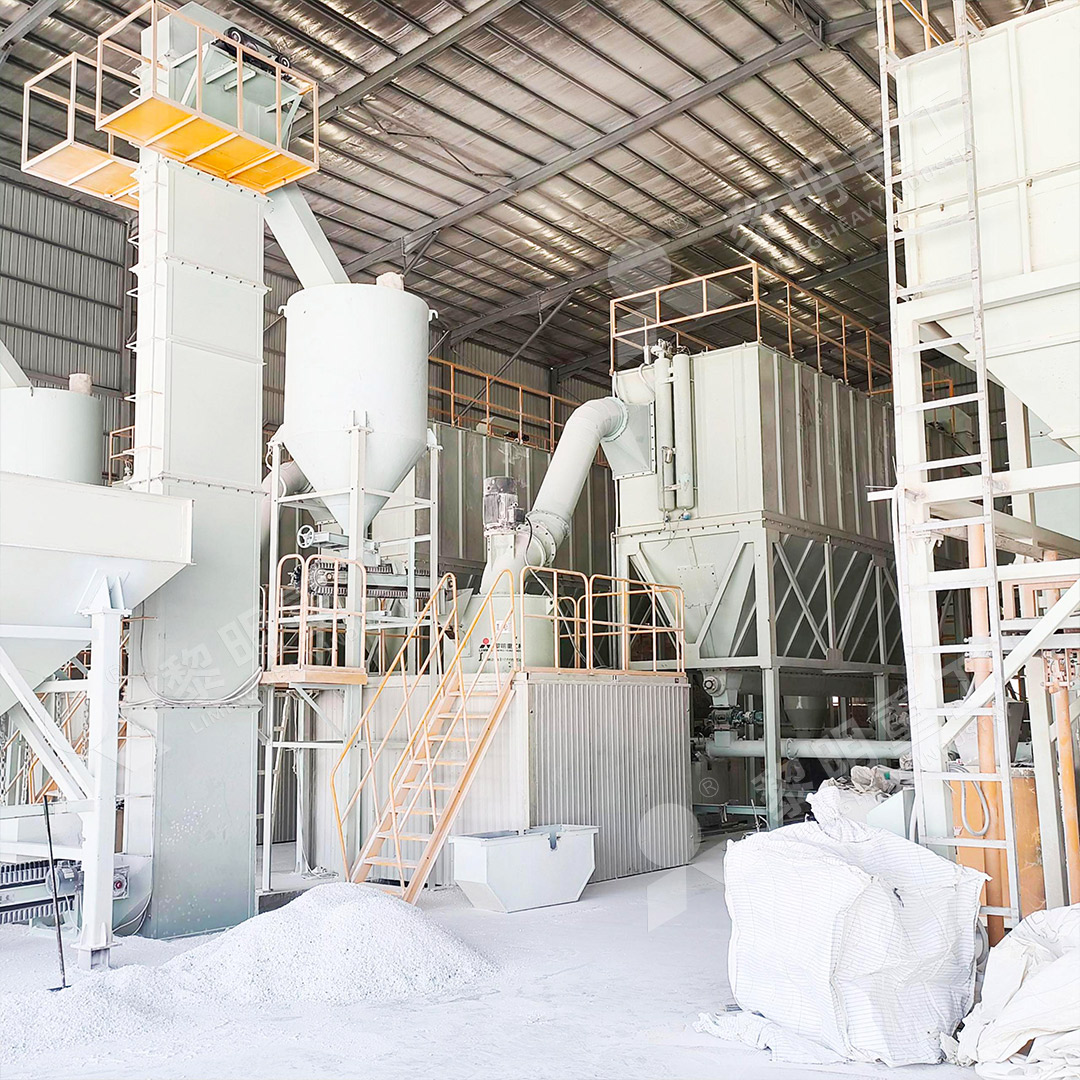
Among Termokimik’s flagship products, the MW Ultrafine Grinding Mill stands out for applications demanding exceptionally fine powders. Designed for materials like limestone, calcite, and dolomite, this mill is a workhorse for industries ranging from paints and cosmetics to food additives. With an input size of 0-20 mm and a capacity range of 0.5 to 25 tons per hour, it offers remarkable versatility. Its engineering eliminates rolling bearings and screws within the grinding chamber, a design choice that significantly reduces maintenance concerns and the risk of machine damage from loose components. Furthermore, the integration of an efficient pulse dust collector and muffler ensures that the entire production process meets stringent environmental standards, minimizing both dust and noise pollution.
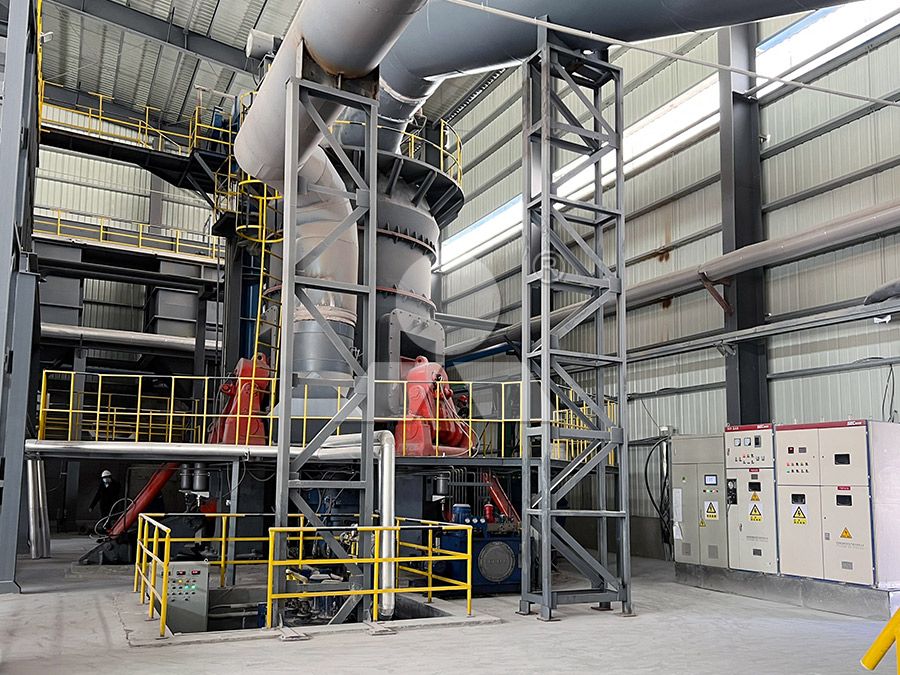
For operations requiring a vertical grinding solution, Termokimik offers the LUM Ultrafine Vertical Grinding Mill. This mill incorporates advanced technologies, including the latest grinding roller and German powder separating systems. A key advantage of the LUM series is its unique roller shell and lining plate grinding curve, which facilitates the formation of a stable material layer. This results in a higher yield of finished product in a single pass, enhancing both efficiency and the whiteness of the final powder. The mill’s reversible structure is another significant benefit, allowing for easy maintenance by enabling grinding rollers to be moved out of the body for inspection and replacement.
Engineering for the Future: Efficiency and Sustainability
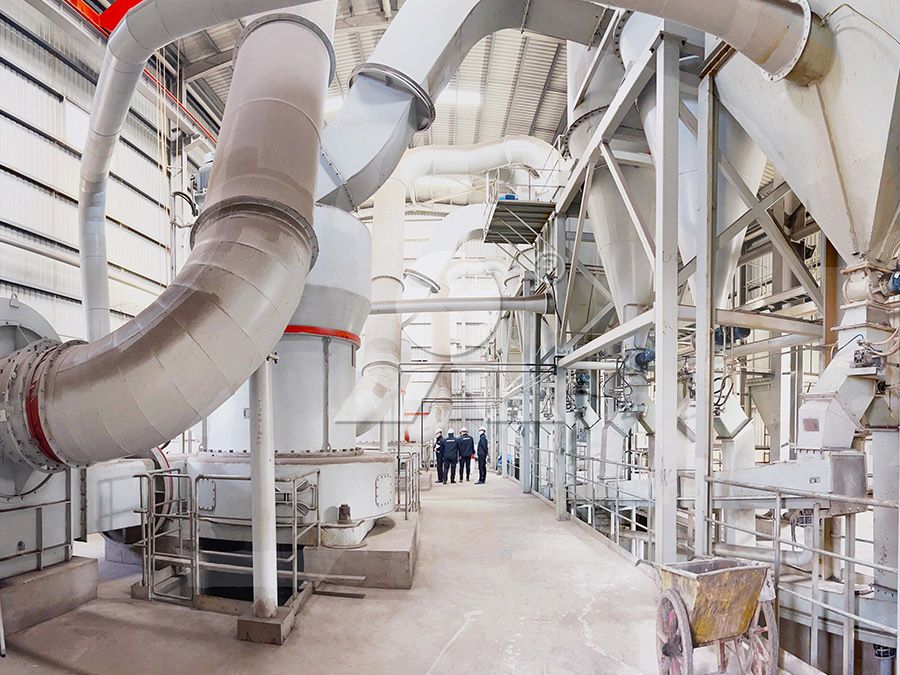
Modern industrial milling is no longer just about throughput. Energy consumption, operational stability, and environmental impact are critical decision-making factors. Termokimik’s design philosophy addresses these concerns head-on. Features like multi-head powder separating technology, seen in both the MW and LUM mills, allow for precise control over fineness—adjustable between 325 and 2500 meshes—while reducing energy consumption by 30-50% compared to conventional mills. Digitalized processing of core components ensures high machining precision, contributing to longer service life and consistent performance.
The company’s commitment to worry-free operation is underscored by its comprehensive support system. With control over production and sales, Termokimik guarantees the supply of original spare parts and technical services, ensuring that customer operations face minimal downtime.
Frequently Asked Questions (FAQ)
What is the main difference between a crusher and a grinder?
Crushers are used for primary and secondary size reduction, breaking down large rocks into smaller, gravel-sized pieces (typically above 5 mm). Grinders (or mills) are used for tertiary reduction, pulverizing these smaller pieces into fine or ultra-fine powders (often below 1 mm).
How do I choose the right grinding mill for my material?
Selection depends on material properties (hardness, abrasiveness, moisture), required final fineness, and production capacity. Factors like energy efficiency, maintenance needs, and environmental controls are also crucial. Termokimik’s technical team can provide detailed recommendations based on specific application data.
What makes the MW Ultrafine Grinding Mill more energy-efficient?
The MW Mill’s efficiency stems from its newly designed grinding curves and cage-type powder selector. These innovations enhance grinding efficiency, allowing production capacity to be 40% higher than jet mills with system energy consumption being only 30% of comparable models.
Can your mills handle abrasive materials without frequent part replacement?
Yes. Our mills, such as the LUM series, use wear-resistant alloys for grinding rollers and rings, developed to extend service life significantly. The reversible structure also simplifies maintenance, reducing the cost and time associated with part replacement.