
Raymond Roller Mill Manufacturers in the USA: A Comprehensive Guide
We provide a wide range of mills — including Raymond mill, trapezoidal mill, vertical mill, ultrafine mill, and ball mill, obtained ISO9001 international quality certification, EU CE certification, and Customs Union CU-TR certification. Suitable for processing minerals such as limestone, phosphate, quicklime, kaolin, talc, barite, bentonite, calcium carbonate, dolomite, coal, gypsum, clay, carbon black, slag, cement raw materials, cement clinker, and more.
The discharge range of these mills can be adjusted to meet specific processing needs, typically from 80-400 mesh, 600-3250 mesh, and can achieve the finest particle size of up to 6000 mesh(D50).
If you are looking for a reliable grinding solution to turn stone or minerals into fine powder, please feel free to contact our online customer service.
Raymond Roller Mill Manufacturers in the USA: A Comprehensive Guide
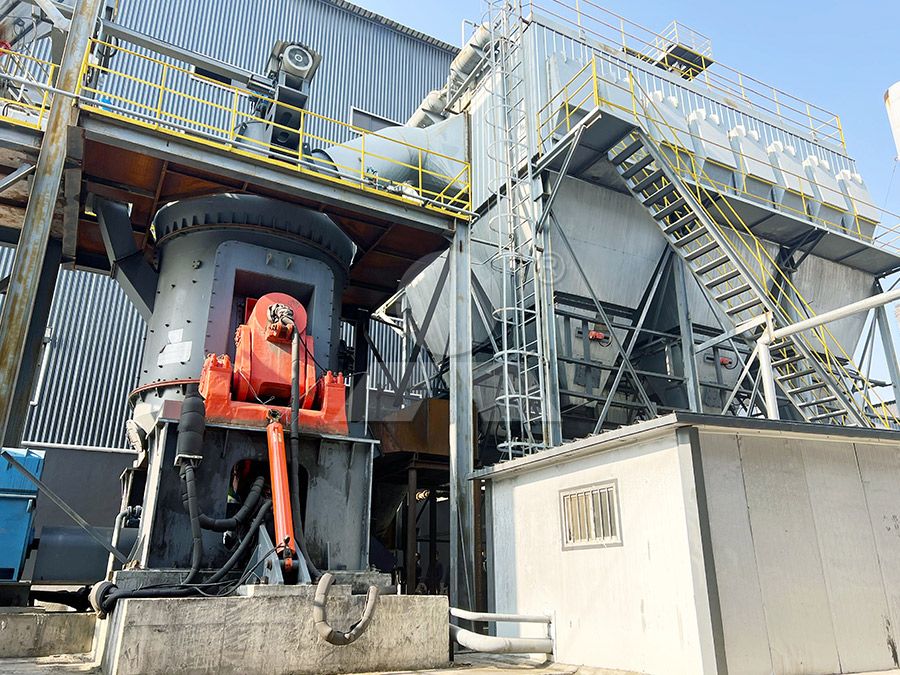
For over a century, the name Raymond has been synonymous with reliable and efficient size reduction technology in the United States. While the original patents have long since expired, a new generation of American manufacturers has emerged, building upon this legacy with advanced engineering and innovative designs. These companies continue to serve a vast array of industries, from mining and minerals to chemicals and construction, providing robust milling solutions for demanding applications.
The core principle of the roller mill—grinding material between rotating rollers and a stationary ring—remains a highly effective method for producing fine to medium-fine powders. However, modern iterations have evolved significantly. Today’s leading manufacturers focus on enhancing efficiency, reducing operational costs, and minimizing environmental impact through sophisticated control systems, improved wear materials, and integrated dust collection solutions.
Key Considerations When Selecting a Manufacturer
Choosing the right Raymond mill supplier is a critical decision that impacts your operation’s long-term productivity. Beyond initial cost, factors such as energy consumption, maintenance requirements, spare parts availability, and technical support are paramount. Reputable U.S. manufacturers distinguish themselves through comprehensive after-sales service, including installation supervision, operator training, and readily available OEM parts to ensure maximum uptime.
It’s also essential to match the mill’s capabilities with your specific material characteristics and production goals. Parameters like feed size, moisture content, desired fineness (often measured in meshes or microns), and required hourly capacity will dictate the most suitable mill model and configuration.
Advanced Grinding Solutions for Modern Demands
While traditional Raymond mills are excellent for many tasks, some applications demand even greater fineness and efficiency. For customers requiring ultra-fine powder in the range of 325 to 2500 meshes, the MW Ultrafine Grinding Mill represents a significant leap forward. This machine is engineered for higher yield and lower energy consumption, boasting a production capacity that can be 40% higher than jet mills and twice that of ball mills for the same power input. Its intelligent design features a German-technology cage-type powder selector for precise fineness adjustment and eliminates rolling bearings and screws from the grinding chamber, virtually eliminating concerns about related mechanical failures. Furthermore, with an efficient pulse dust collector and muffler, the MW series operates with minimal environmental impact, aligning with strict national standards.
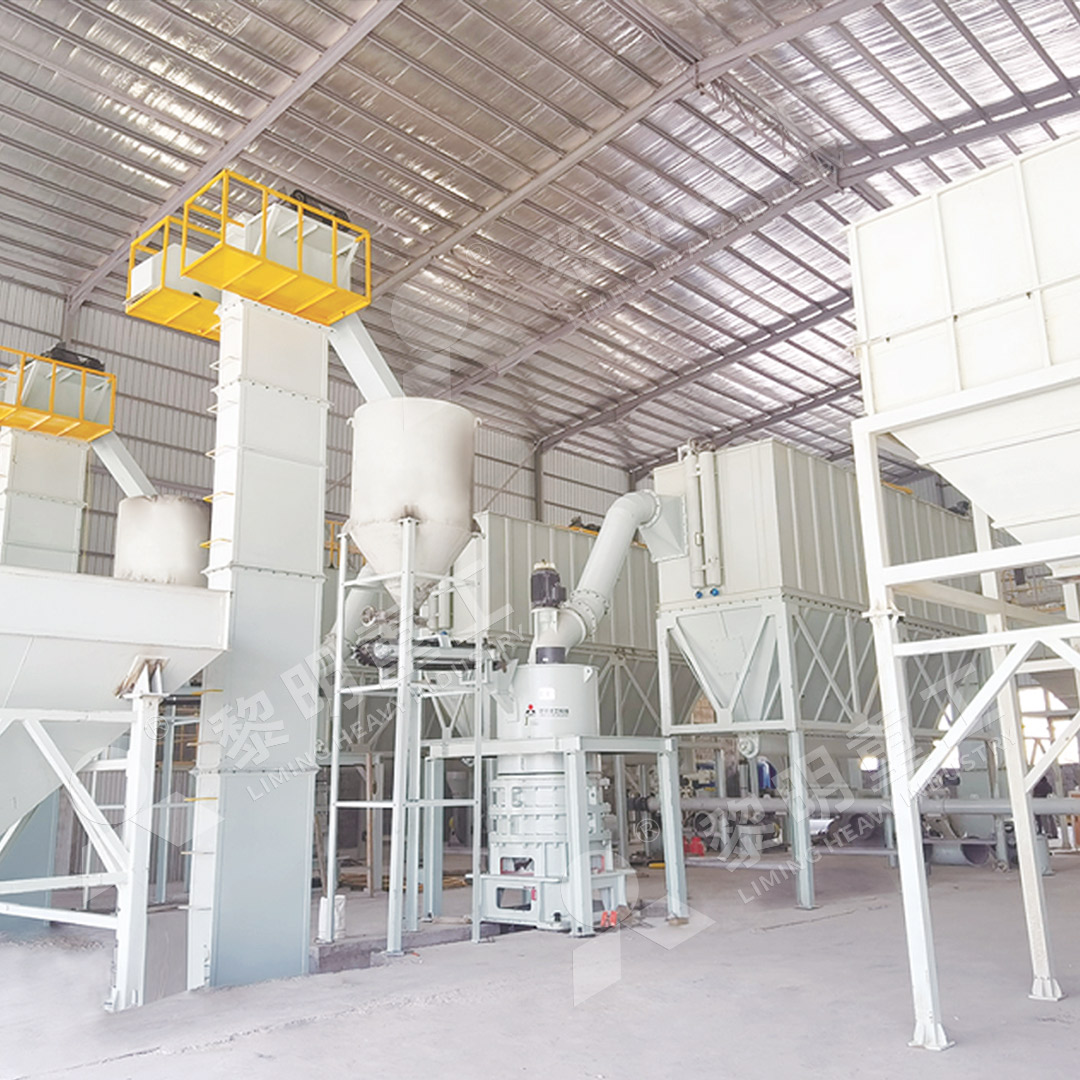
For operations prioritizing vertical integration and space efficiency, the LUM Ultrafine Vertical Grinding Mill is another premier choice. Integrating grinding, grading, and transporting into a single, compact unit, the LUM mill utilizes the latest grinding roller and powder separating technologies. Its unique roller shell and lining plate grinding curve promote stable material layer formation, enabling high-quality finished product in a single pass. Key features like multi-head powder separating technology controlled by a PLC system allow for precise control over grinding parameters, leading to energy savings of 30-50%. A reversible structure also simplifies maintenance, allowing grinding rollers to be easily moved out of the mill body for inspection or part replacement, significantly reducing downtime.
The Future of Milling Technology
The trajectory for Raymond roller mill technology in the U.S. points towards greater automation, digitalization, and connectivity. Modern mills are increasingly equipped with IoT sensors and cloud-based monitoring systems that provide real-time data on performance metrics, allowing for predictive maintenance and optimized operation. This digital transformation ensures that American-made grinding equipment remains at the forefront of global industrial processing.
Frequently Asked Questions (FAQ)
What is the typical fineness range achievable with a modern Raymond mill?
Standard Raymond mills can typically produce powders ranging from 30 to 425 mesh. For finer requirements, advanced models like the MW Ultrafine Grinding Mill can achieve fineness between 325 and 2500 meshes (d97 ≤ 5μm).
How important is after-sales support when purchasing a mill?
Extremely important. The longevity and performance of your mill depend on access to genuine spare parts, expert technical advice, and responsive service. Leading manufacturers provide comprehensive support to ensure worry-free operation throughout the equipment’s lifecycle.
Can these mills handle abrasive materials?
Yes, but it requires specific configurations. Critical wear parts like grinding rollers and rings can be manufactured from special wear-resistant alloys to extend service life when processing highly abrasive materials like quartz or feldspar.
What are the primary advantages of a vertical roller mill design?
Vertical mills like the LUM series offer a smaller footprint, integrated drying and grinding capabilities, lower energy consumption, and simpler maintenance access compared to some horizontal mill designs.