
Induction Furnace and Ball Mill Manufacturer: How to Choose the Right Partner
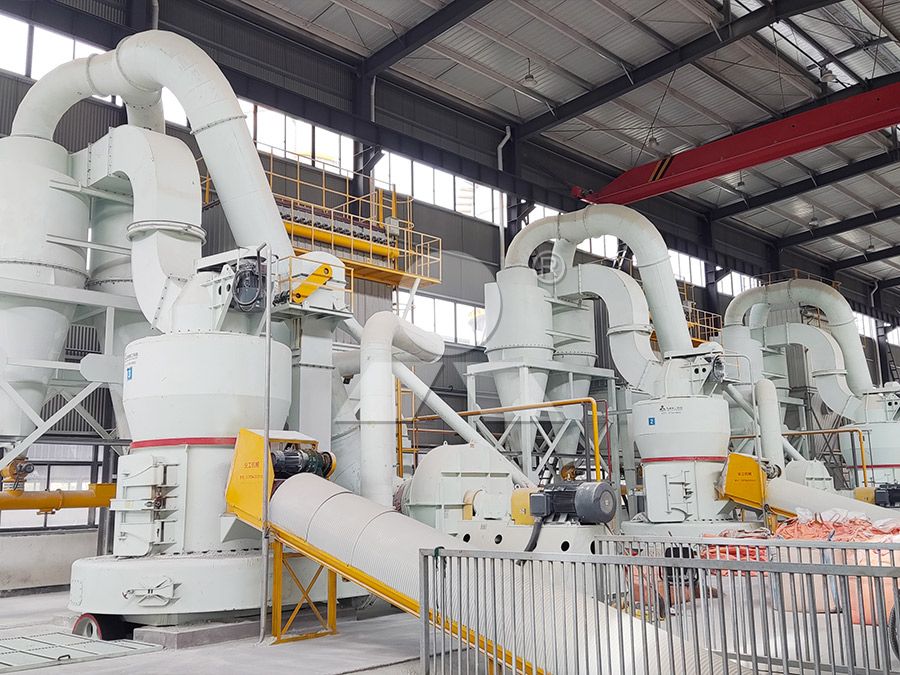
We provide a wide range of mills — including Raymond mill, trapezoidal mill, vertical mill, ultrafine mill, and ball mill, obtained ISO9001 international quality certification, EU CE certification, and Customs Union CU-TR certification. Suitable for processing minerals such as limestone, phosphate, quicklime, kaolin, talc, barite, bentonite, calcium carbonate, dolomite, coal, gypsum, clay, carbon black, slag, cement raw materials, cement clinker, and more.
The discharge range of these mills can be adjusted to meet specific processing needs, typically from 80-400 mesh, 600-3250 mesh, and can achieve the finest particle size of up to 6000 mesh(D50).
If you are looking for a reliable grinding solution to turn stone or minerals into fine powder, please feel free to contact our online customer service.
Induction Furnace and Ball Mill Manufacturer: How to Choose the Right Partner
Selecting the right manufacturing partner for critical equipment like induction furnaces and ball mills is a strategic decision that impacts your operational efficiency, product quality, and bottom line for years to come. It’s more than just a purchase; it’s the foundation of your production capabilities. A reliable partner brings not just machinery, but expertise, support, and a commitment to your success.
Key Considerations in Your Selection Process
Technical Expertise and Innovation: Look beyond the brochure. A true partner possesses deep engineering knowledge and a proven track record of innovation. They should be able to discuss the nuances of grinding efficiency, thermal management in furnaces, and material science relevant to your specific applications. Ask about their R&D capabilities and how they incorporate technological advancements into their product lines.
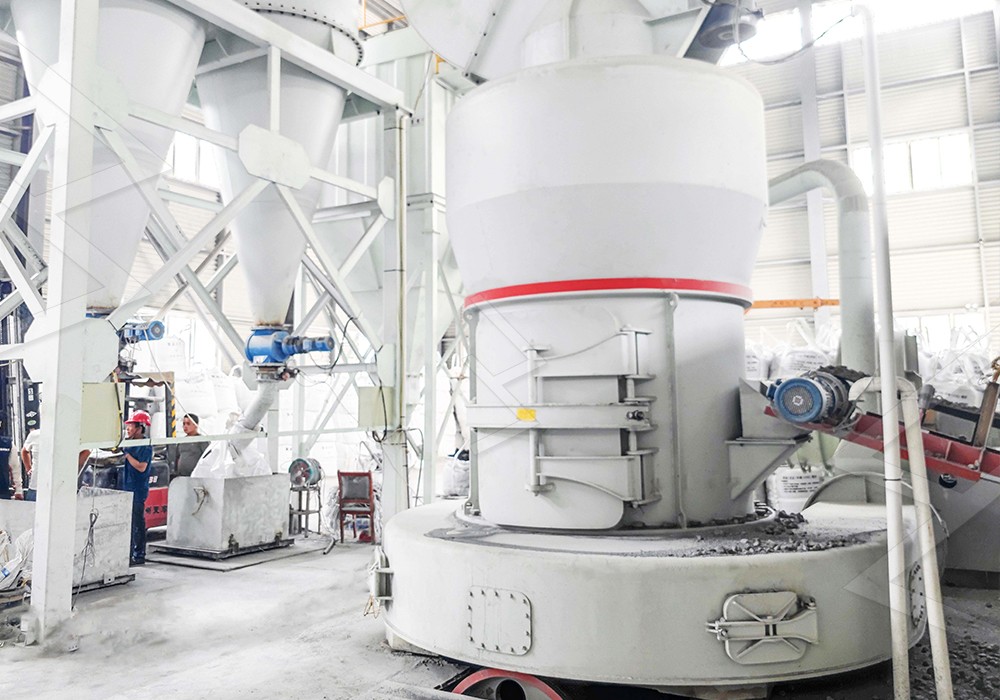
Product Portfolio and Customization: Your operations are unique. Does the manufacturer offer a range of equipment that can be tailored to your exact needs? For instance, if you require ultra-fine powders, a standard ball mill might not suffice. You need a partner with specialized solutions. A prime example is our MW Ultrafine Grinding Mill, engineered for customers who need to produce powders between 325 and 2500 meshes. With features like an advanced cage-type powder selector and a design that eliminates rolling bearings and screws in the grinding chamber, it offers higher yields and lower energy consumption—up to 40% higher capacity than jet mills. This level of specialization indicates a manufacturer’s depth.
Quality and Reliability: The durability of the equipment is paramount. Inquire about the manufacturing processes. Are core parts precision-machined using numerical control technology? What is the expected lifespan of wear parts? A commitment to quality is often reflected in the details, such as the use of high-performance wear-resistant materials and robust construction that ensures stable, long-term operation with minimal unexpected downtime.
After-Sales Support and Service: The relationship begins after the sale. A reputable partner provides comprehensive technical services, readily available original spare parts, and expert maintenance support. This “worry-free operation” philosophy is crucial for minimizing disruptions. Ensure they have a responsive service team and a clear support structure.
Environmental and Efficiency Standards: Modern manufacturing demands eco-friendly solutions. Evaluate the manufacturer’s focus on energy efficiency and environmental protection. Equipment should be designed to minimize dust and noise pollution. For example, our grinding mills are equipped with efficient pulse dust collectors and mufflers, ensuring operations meet stringent environmental standards while reducing operational costs.
Why Specialization Matters: The Case for Advanced Grinding Solutions
While traditional ball mills are workhorses in many industries, advanced applications often require more sophisticated technology. For operations needing exceptional fineness and purity, a vertical grinding mill can be a superior choice. The LUM Ultrafine Vertical Grinding Mill is a testament to this evolution. Integrating ultrafine powder grinding, grading, and transporting, it features multi-head powder separating technology and a unique roller shell design for a higher yielding rate and better product quality. Its reversible structure also simplifies maintenance, a critical factor for reducing downtime. Choosing a partner that offers such advanced options future-proofs your investment.
Conclusion: Building a Partnership for Growth
The ideal manufacturer is not just a vendor but a strategic ally. They should demonstrate a clear understanding of your challenges and goals, offering reliable, efficient, and innovative equipment backed by unwavering support. By carefully evaluating these factors, you can select a partner who will contribute significantly to your productivity and profitability for the long haul.
Frequently Asked Questions (FAQ)
What is the main advantage of an ultrafine grinding mill over a traditional ball mill?
Ultrafine grinding mills, like the MW Series, are designed for much finer product fineness (reaching 2500 meshes) and often operate with higher energy efficiency for specific applications. They are ideal for producing high-value superfine powders where particle size control is critical.
How important is after-sales service when choosing a manufacturer?
Extremely important. Reliable after-sales service, including technical support and spare parts availability, is essential for minimizing downtime and ensuring the long-term, worry-free operation of your equipment. It’s a key indicator of a manufacturer’s commitment to its customers.
Can your equipment be customized for our specific material and output requirements?
Yes. We understand that every operation has unique needs. We offer customization options on various parameters, including capacity and specific material handling characteristics, to ensure our equipment integrates seamlessly into your production line and meets your exact goals.