
Benefits of Using an Open Crusher Local Mill for Efficient Grinding
We provide a wide range of mills — including Raymond mill, trapezoidal mill, vertical mill, ultrafine mill, and ball mill, obtained ISO9001 international quality certification, EU CE certification, and Customs Union CU-TR certification. Suitable for processing minerals such as limestone, phosphate, quicklime, kaolin, talc, barite, bentonite, calcium carbonate, dolomite, coal, gypsum, clay, carbon black, slag, cement raw materials, cement clinker, and more.
The discharge range of these mills can be adjusted to meet specific processing needs, typically from 80-400 mesh, 600-3250 mesh, and can achieve the finest particle size of up to 6000 mesh(D50).
If you are looking for a reliable grinding solution to turn stone or minerals into fine powder, please feel free to contact our online customer service.
Unlocking Operational Excellence in Modern Grinding Applications
In today’s competitive industrial landscape, achieving optimal grinding efficiency is paramount for profitability and sustainability. The concept of an open crusher local mill system represents a significant advancement in powder processing technology, offering a streamlined approach that integrates primary crushing with fine grinding in a localized, efficient manner. This methodology eliminates unnecessary material handling steps, reduces energy consumption, and enhances overall process control.
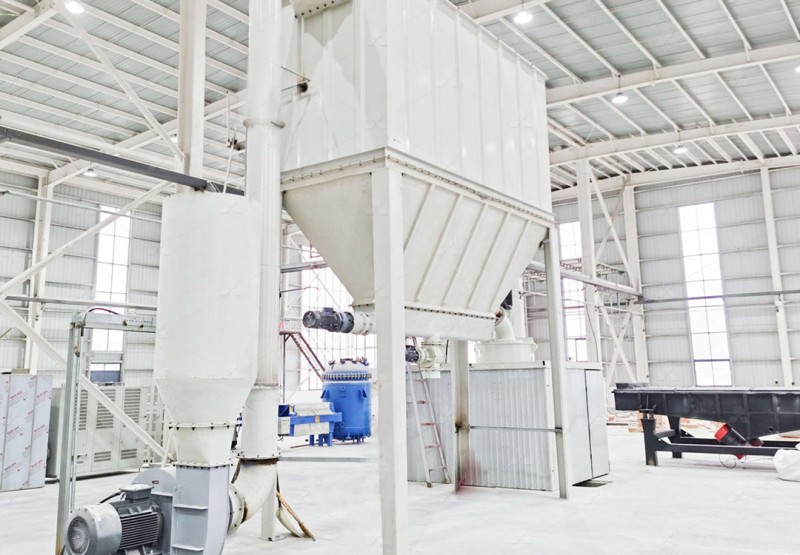
Enhanced Production Efficiency and Throughput
Traditional grinding systems often suffer from bottlenecks between crushing and milling stages. An open crusher local mill configuration addresses this challenge by creating a seamless material flow. The direct feed from crusher to mill minimizes transit time and reduces the risk of contamination. This integrated approach is particularly effective when paired with advanced milling technology designed for high-capacity processing.
For operations requiring ultra-fine powder production, the MW Ultrafine Grinding Mill presents an ideal solution. With an input size capability of 0-20 mm and capacity ranging from 0.5-25 tph, this system efficiently handles materials directly from primary crushing operations. The mill’s innovative design features higher yielding capacity with 40% greater production efficiency compared to jet grinding mills, while consuming 30% less energy. The adjustable fineness between 325-2500 meshes ensures precise control over final product specifications.
Environmental and Operational Advantages
Modern industrial operations face increasing pressure to minimize environmental impact while maintaining productivity. Open crusher local mill systems excel in this regard through integrated dust collection and noise reduction features. The elimination of intermediate conveying steps reduces airborne particulate matter, while advanced mill designs incorporate comprehensive environmental controls.
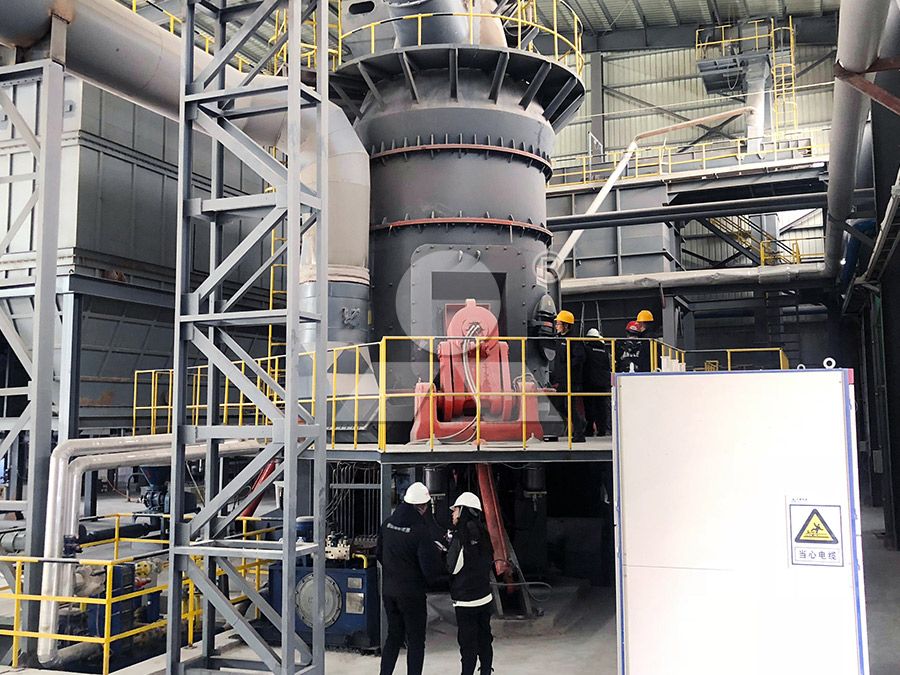
The LUM Ultrafine Vertical Grinding Mill exemplifies this approach with its eco-friendly operation. Handling input sizes up to 10 mm with capacities of 5-18 tph, this vertical grinding solution incorporates German powder separating technology and Taiwanese grinding roller advancements. The system’s double position-limiting technology ensures stable operation, while the reversible structure simplifies maintenance procedures. Particularly noteworthy is the mill’s energy-saving multi-head powder separating technology, which reduces consumption by 30%-50% compared to conventional grinding mills.
Technical Innovations Driving Performance
The evolution of grinding technology has introduced several critical innovations that enhance the effectiveness of open crusher local mill systems. Advanced powder separation systems, precision grinding curves, and automated control mechanisms work in concert to deliver consistent, high-quality results. These technological advancements translate directly to operational benefits including reduced downtime, lower maintenance costs, and improved product quality.
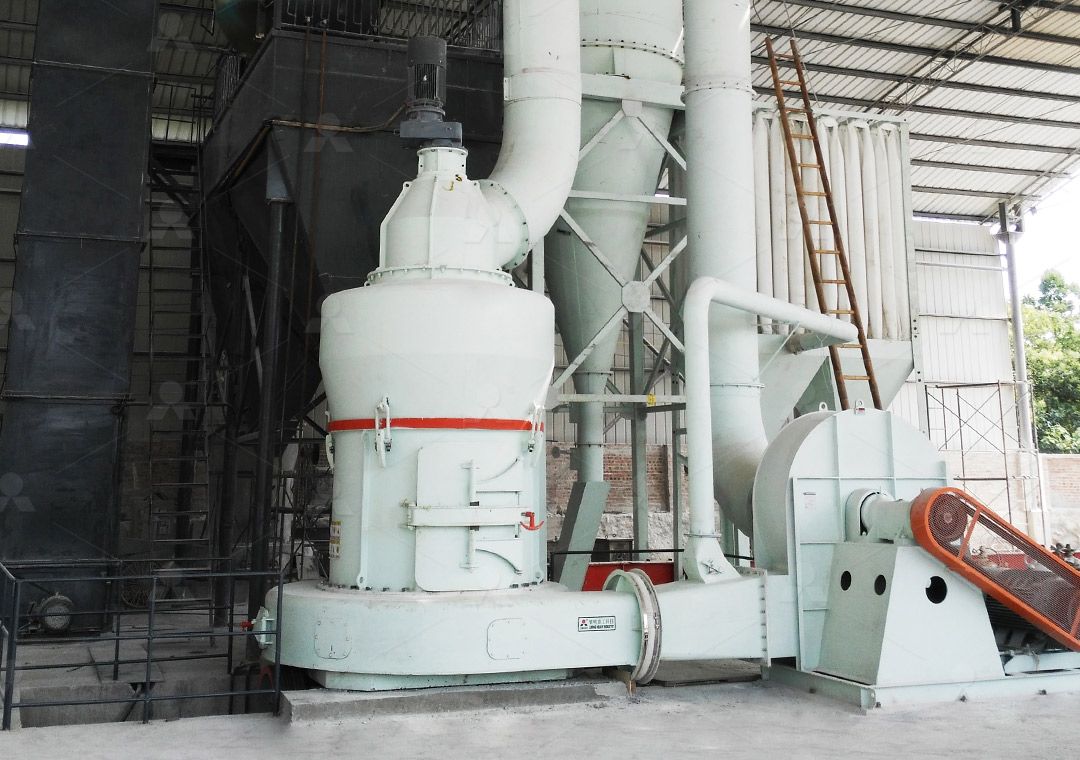
Both the MW and LUM grinding mills feature digitalized processing with numerical control machining for high precision components. The absence of rolling bearings and screws in the grinding chamber of the MW mill eliminates common failure points, while the LUM mill’s hydraulic adjustment system enables quick parameter changes for different material characteristics. These design considerations ensure reliable, worry-free operation with minimal intervention required.
Application Versatility Across Industries
The flexibility of open crusher local mill systems makes them suitable for diverse industrial applications. From limestone and calcite processing in construction materials to specialized applications in cosmetics, pharmaceuticals, and food additives, these systems adapt to various material characteristics and production requirements. The ability to process materials with different hardness, moisture content, and chemical composition underscores the versatility of modern grinding technology.
Frequently Asked Questions
What is the primary advantage of an open crusher local mill configuration?
The main advantage is the elimination of intermediate material handling between crushing and grinding stages, resulting in reduced energy consumption, minimized contamination risk, and improved process efficiency.
How does the MW Ultrafine Grinding Mill achieve higher energy efficiency?
The MW mill utilizes newly designed grinding curves of rollers and rings that enhance grinding efficiency. It operates with 30% less energy consumption compared to jet grinding mills while delivering 40% higher production capacity.
What maintenance advantages does the LUM Ultrafine Vertical Grinding Mill offer?
The LUM mill features a reversible structure that allows easy movement of grinding rollers out of the body for maintenance. This design, combined with hydraulic adjustment systems, reduces downtime and simplifies component replacement.
Can these grinding systems handle materials with different hardness levels?
Yes, both the MW and LUM mills are designed to process various materials including limestone, calcite, dolomite, gypsum, barite, and other minerals with hardness up to 9 Mohs. The hydraulic systems allow pressure adjustment to accommodate different material characteristics.
What environmental features are incorporated into these grinding systems?
The systems include efficient pulse dust collectors, mufflers, and noise elimination technology. They operate under negative pressure to prevent dust emission and comply with national environmental protection standards.