
Silver Ore Grinding Mills: Price Guide for Mineral Processing Plants
We provide a wide range of mills — including Raymond mill, trapezoidal mill, vertical mill, ultrafine mill, and ball mill, obtained ISO9001 international quality certification, EU CE certification, and Customs Union CU-TR certification. Suitable for processing minerals such as limestone, phosphate, quicklime, kaolin, talc, barite, bentonite, calcium carbonate, dolomite, coal, gypsum, clay, carbon black, slag, cement raw materials, cement clinker, and more.
The discharge range of these mills can be adjusted to meet specific processing needs, typically from 80-400 mesh, 600-3250 mesh, and can achieve the finest particle size of up to 6000 mesh(D50).
If you are looking for a reliable grinding solution to turn stone or minerals into fine powder, please feel free to contact our online customer service.
Silver Ore Grinding Mills: Price Guide for Mineral Processing Plants
Investing in the right grinding mill is crucial for maximizing silver recovery and operational efficiency in mineral processing plants. The choice of equipment directly impacts production costs, final product quality, and overall profitability. This guide explores key considerations and provides a framework for evaluating grinding mill prices for silver ore applications.
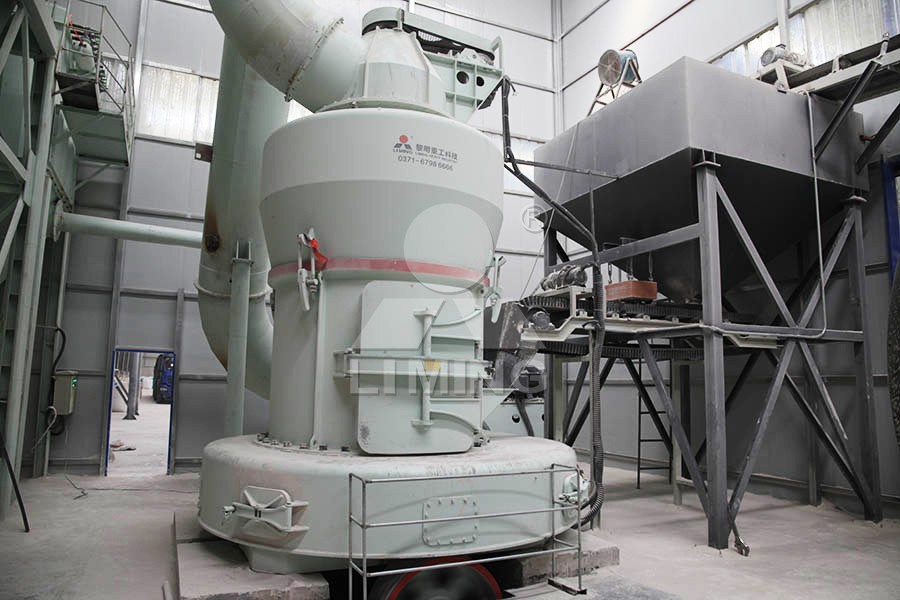
Silver ore, often found in complex mineral assemblages, requires fine to ultra-fine grinding to liberate the valuable metal particles for effective extraction. The hardness, abrasiveness, and moisture content of the ore are primary factors dictating the type of mill needed. While traditional ball mills have been a staple, modern operations increasingly favor more efficient technologies that offer superior energy savings and finer grinding capabilities.
Key Factors Influencing Grinding Mill Prices
The price of a grinding mill is not just its initial purchase cost. A comprehensive evaluation must consider the Total Cost of Ownership (TCO), which includes:
- Capital Expenditure (CAPEX): The initial purchase price, installation, and commissioning costs.
- Operational Expenditure (OPEX): Energy consumption, grinding media and liner wear, maintenance labor, and spare parts.
- Throughput and Efficiency: The mill’s capacity (tph) and its ability to achieve the desired particle size distribution with minimal energy input.
- Durability and Maintenance: The robustness of construction and the ease of accessing components for maintenance directly affect downtime and long-term costs.
- Environmental Compliance: Systems for dust control and noise reduction, which are essential for meeting regulatory standards.
Advanced Mill Technologies for Superior Silver Recovery
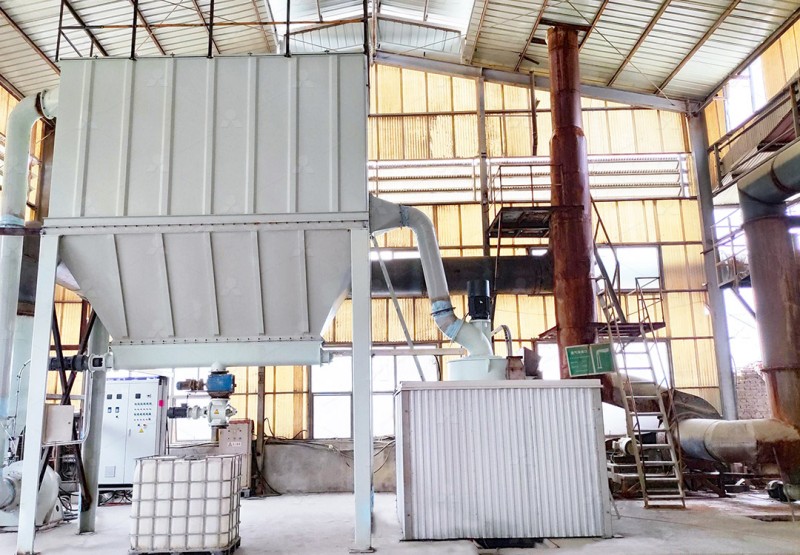
For operations targeting high-value silver concentrates, achieving a consistently fine grind is non-negotiable. In this context, our MW Ultrafine Grinding Mill stands out as an exceptional solution. Engineered for customers requiring ultra-fine powder, this mill is particularly effective for silver ore processing. It accepts a feed size of 0-20 mm and offers a capacity range of 0.5-25 tph. A significant advantage is its higher yield and lower energy consumption; it provides 40% higher capacity than jet mills and double the output of a ball mill with similar power input, while system energy consumption is only 30% of a jet mill. Its cage-type powder selector allows for precise fineness adjustment between 325-2500 meshes, ensuring optimal liberation of silver particles. Furthermore, the absence of rolling bearings and screws in the grinding chamber eliminates common failure points, and the integrated pulse dust collector ensures an eco-friendly operation with no dust pollution.
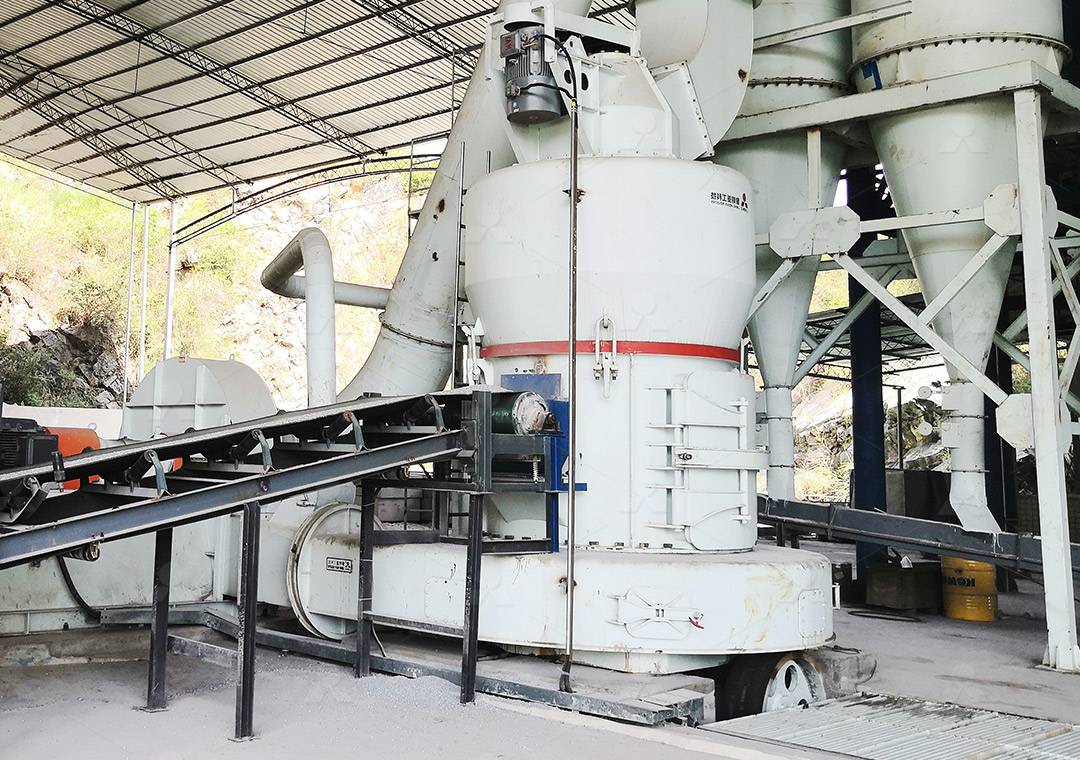
For larger-scale operations or when processing slightly coarser feeds, our LUM Ultrafine Vertical Grinding Mill presents a robust alternative. With an input size of 0-10 mm and a capacity of 5-18 tph, it integrates advanced grinding roller and powder separating technologies. Its unique design avoids issues like long lingering time and high iron content, common in traditional mills, thereby improving the whiteness and cleanliness of the final product—a critical factor for silver concentrates. The mill’s multi-head powder separating technology and PLC control system enable precise operation, reducing energy consumption by 30%-50% compared to conventional mills.
Making an Informed Investment Decision
When requesting quotes, provide suppliers with detailed ore characteristics and production goals. A reputable manufacturer will conduct ore tests to recommend the most suitable mill configuration. Remember, the cheapest upfront option often leads to higher costs over the equipment’s lifecycle due to inefficiency and excessive maintenance. Investing in a technologically advanced, energy-efficient mill like the MW or LUM series translates to lower operating costs and a faster return on investment through increased silver recovery rates.
Frequently Asked Questions (FAQ)
What is the most important factor when choosing a silver ore grinding mill?
Beyond initial price, the most critical factor is the Total Cost of Ownership (TCO), which heavily weighs energy efficiency and wear part consumption. A mill that achieves the target grind size with minimal energy and maintenance will be more cost-effective in the long run.
Why choose an ultrafine mill over a traditional ball mill for silver ore?
Silver often requires very fine grinding for effective liberation. Ultrafine mills, like the MW series, are specifically designed for this purpose, offering significantly higher energy efficiency, finer product sizes, and better control over particle distribution compared to ball mills.
How does the MW Ultrafine Grinding Mill control dust?
The MW Mill is equipped with an efficient pulse dust collector and a muffler. This system ensures no dust pollution during operation and reduces noise, allowing the entire milling process to comply with national environmental protection standards.
Can these mills handle variations in ore hardness?
Yes. Mills like the LUM series feature hydraulic systems that allow for easy adjustment of grinding pressure. This enables the mill to effectively process ores of varying hardness while maintaining stable operation and product quality.