
Which Ultrafine Limestone Powder Grinding Mill is the Best Choice?
We provide a wide range of mills — including Raymond mill, trapezoidal mill, vertical mill, ultrafine mill, and ball mill, obtained ISO9001 international quality certification, EU CE certification, and Customs Union CU-TR certification. Suitable for processing minerals such as limestone, phosphate, quicklime, kaolin, talc, barite, bentonite, calcium carbonate, dolomite, coal, gypsum, clay, carbon black, slag, cement raw materials, cement clinker, and more.
The discharge range of these mills can be adjusted to meet specific processing needs, typically from 80-400 mesh, 600-3250 mesh, and can achieve the finest particle size of up to 6000 mesh(D50).
If you are looking for a reliable grinding solution to turn stone or minerals into fine powder, please feel free to contact our online customer service.
Navigating the World of Ultrafine Limestone Grinding
For producers of high-value limestone powders, the selection of grinding equipment is a critical decision that directly impacts product quality, operational costs, and overall profitability. The goal is to achieve a fine, consistent particle size distribution, typically in the range of 325 to 2500 meshes, while maintaining high throughput and low energy consumption. The market offers a variety of technologies, from traditional ball mills to advanced vertical roller mills, each with distinct advantages. The key is to match the mill’s capabilities with your specific production requirements, including feed size, desired capacity, and final product specifications.
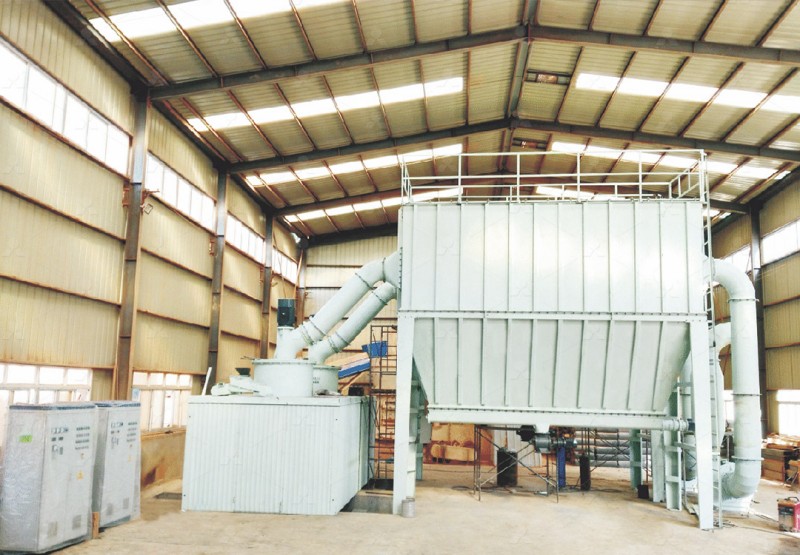
Key Considerations for Mill Selection
Before diving into specific models, it’s essential to outline the primary factors that should guide your decision. These include the input size of your raw limestone, the required production capacity (in tons per hour), the target fineness of the final powder, and the importance of energy efficiency and environmental compliance. Operational stability, ease of maintenance, and the availability of spare parts are also crucial for minimizing downtime and ensuring long-term, worry-free operation. A mill that excels in one area may be a poor fit if it falls short in another that is critical to your operation.
A Closer Look at Advanced Grinding Solutions
Among the advanced options available, our MW Ultrafine Grinding Mill stands out for operations prioritizing ultra-fine powder production with exceptional environmental performance. Designed for customers who need to make ultra-fine powder from materials like limestone, calcite, and dolomite, this machine handles an input size of 0-20 mm with a capacity ranging from 0.5 to 25 tph. Its design incorporates several innovative features that address common challenges in fine grinding.
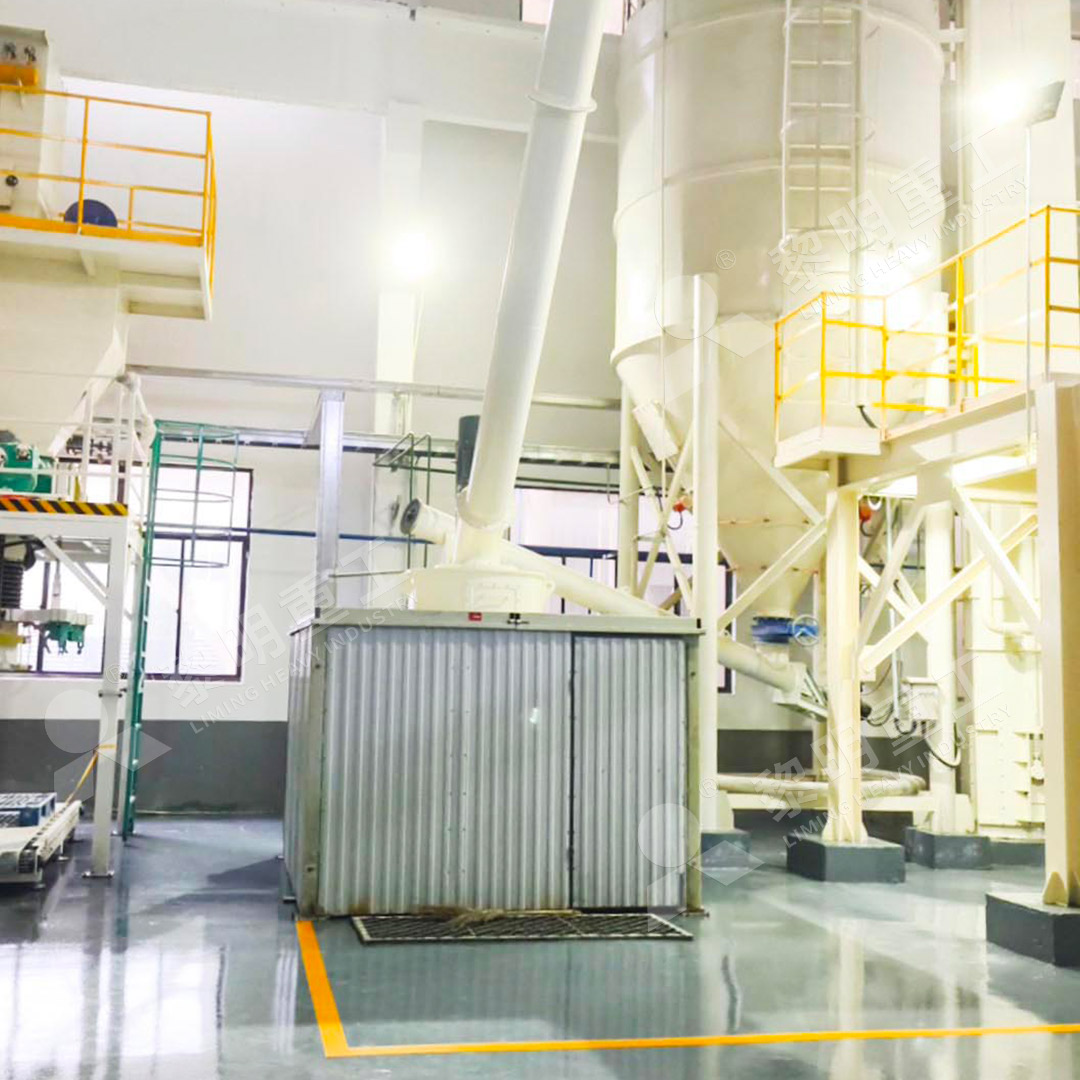
Why the MW Ultrafine Grinding Mill is a Top Contender
The MW Mill delivers higher yielding at lower energy consumption. Its newly designed grinding curves enhance efficiency, offering production capacity 40% higher than jet mills and twice that of ball mills, while using only 30% of the energy of a jet mill. A significant advantage is its adjustable fineness between 325-2500 meshes, achieved through a German-technology cage-type powder selector. Furthermore, the grinding chamber is ingeniously designed with no rolling bearings or screws, eliminating concerns about bearing damage or loose screws causing machine failure. Lubrication can be performed externally without shutdown, supporting continuous 24/7 production. From an environmental standpoint, the integrated efficient pulse dust collector and muffler ensure the entire milling system operates with no dust pollution and reduced noise.
An Alternative for High-Precision Demands: The LUM Ultrafine Vertical Mill
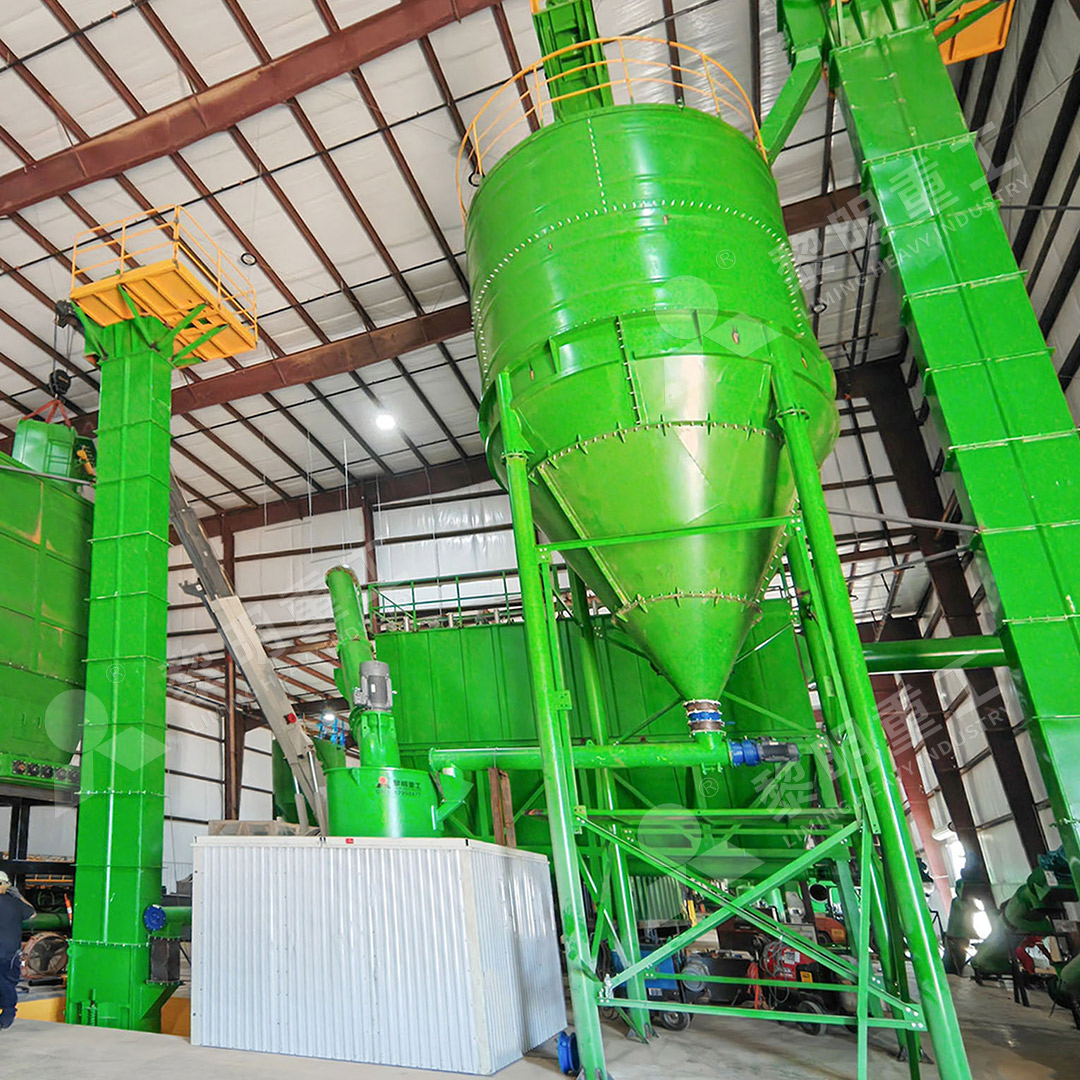
For applications demanding even greater precision and control, the LUM Ultrafine Vertical Grinding Mill is another excellent choice from our portfolio. With an input size of 0-10 mm and a capacity of 5-18 tph, it integrates ultrafine powder grinding, grading, and transporting. It features unique roller shell and lining plate grinding curves that are easier to generate a material layer, leading to a high rate of finished products in a single pass. This not only boosts efficiency but also improves the whiteness and cleanliness of the limestone powder. Its PLC control system and multi-head powder separating technology allow for precise control over grinding parameters, resulting in energy savings of 30%-50% compared to common grinding mills.
Making the Final Decision
Ultimately, the “best” mill is the one that aligns perfectly with your operational goals and constraints. If your primary need is for high-volume production of superfine limestone powder (up to 2500 mesh) with top-tier energy efficiency and minimal environmental impact, the MW Ultrafine Grinding Mill is an outstanding solution. Its robust design focused on reliability and continuous operation makes it a sound long-term investment. For those seeking the latest in vertical grinding technology with superior product quality control, the LUM Ultrafine Vertical Mill presents a compelling case. We recommend a detailed consultation with our technical experts to analyze your specific raw material and production targets to ensure the optimal selection.
Frequently Asked Questions (FAQ)
- What is the typical energy consumption of the MW Mill compared to a Raymond mill?
- The MW Ultrafine Grinding Mill is significantly more efficient. It consumes approximately 30% of the energy required by a jet mill and offers much higher capacity than traditional ball or Raymond mills for the same power input.
- Can these mills handle moist limestone?
- The standard MW and LUM mills are designed for grinding dry materials. If your limestone has high moisture content, integrated drying systems can be discussed as part of a complete solution to ensure optimal grinding performance.
- How difficult is the maintenance for the MW Mill?
- Maintenance is simplified. The absence of rolling bearings and screws in the grinding chamber reduces potential failure points. Furthermore, the external lubrication system allows for maintenance without stopping production, and we guarantee a sufficient supply of original spare parts.
- What is the particle size distribution of the final product?
- Both the MW and LUM mills produce a very narrow and consistent particle size distribution. The MW Mill, for example, can achieve a screening rate of d97≤5μm in a single pass, ensuring high-quality, uniform ultrafine powder.