
Ball Mill Manufacturers and Suppliers in Indonesia: A Comprehensive Guide
We provide a wide range of mills — including Raymond mill, trapezoidal mill, vertical mill, ultrafine mill, and ball mill, obtained ISO9001 international quality certification, EU CE certification, and Customs Union CU-TR certification. Suitable for processing minerals such as limestone, phosphate, quicklime, kaolin, talc, barite, bentonite, calcium carbonate, dolomite, coal, gypsum, clay, carbon black, slag, cement raw materials, cement clinker, and more.
The discharge range of these mills can be adjusted to meet specific processing needs, typically from 80-400 mesh, 600-3250 mesh, and can achieve the finest particle size of up to 6000 mesh(D50).
If you are looking for a reliable grinding solution to turn stone or minerals into fine powder, please feel free to contact our online customer service.
Navigating the Indonesian Grinding Mill Market
Indonesia’s rapidly expanding industrial sector, particularly in mining, construction, and chemical processing, has created a robust demand for reliable grinding equipment. While ball mills have been a traditional workhorse for decades, modern operations increasingly require higher efficiency, finer powders, and more environmentally friendly solutions. This guide explores the key considerations for selecting grinding mill suppliers in Indonesia and highlights advanced technologies that are reshaping the industry.
Beyond the Traditional Ball Mill
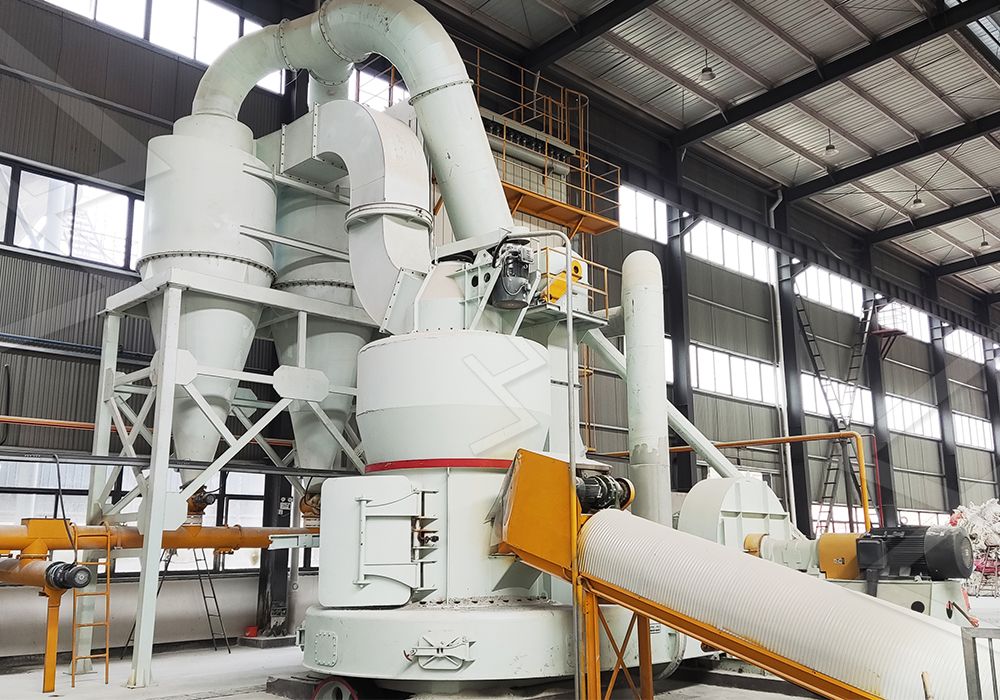
The classic ball mill, known for its simple structure and lower initial investment, is suitable for coarse to medium grinding. However, its limitations in energy efficiency, noise, and achieving ultra-fine powders have led many Indonesian companies to seek more advanced alternatives. Factors such as energy costs, environmental regulations, and the need for higher product value are driving this shift.
Advanced Grinding Solutions for Modern Challenges
For operations requiring ultra-fine powders (325-2500 meshes) with superior efficiency, the MW Ultrafine Grinding Mill presents a compelling solution. With an input size of 0-20 mm and a capacity range of 0.5-25 tph, this mill is engineered for customers who need to produce high-quality ultra-fine powder. Its design incorporates several innovative features that address common pain points. The absence of rolling bearings and screws in the grinding chamber eliminates concerns about bearing damage or loose screws causing machine failure. Furthermore, its efficient pulse dust collector and muffler ensure the production process meets stringent environmental standards, a critical factor for sustainable operation in Indonesia.
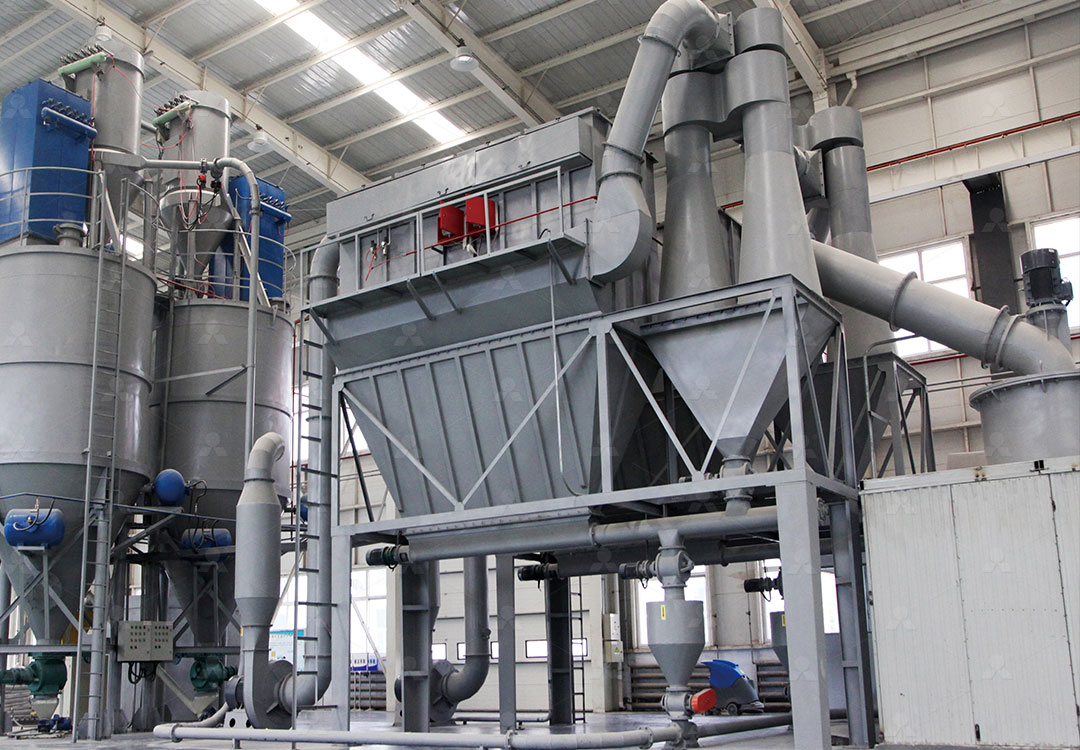
Another standout technology for specialized applications is the LUM Ultrafine Vertical Grinding Mill. Independently designed with advanced grinding roller and powder separating technologies, it integrates grinding, grading, and transporting into a single, efficient system. Handling an input size of 0-10 mm with a capacity of 5-18 tph, it is ideal for superfine dry powder of non-metal ores. Its reversible structure is a significant advantage for maintenance, allowing operators to easily move the grinding roller out of the body for inspection and part replacement, thereby minimizing costly downtime.
Choosing the Right Supplier in Indonesia
When evaluating ball mill manufacturers and suppliers in Indonesia, look for partners with a proven track record, local technical support, and a commitment to after-sales service. A reliable supplier should offer comprehensive technical documentation, training for your operators, and guaranteed access to genuine spare parts. The ability to provide customized solutions based on specific material properties and production goals is also a key differentiator.
Frequently Asked Questions (FAQ)
What are the main advantages of modern grinding mills over traditional ball mills?
Modern mills like the MW and LUM series offer significantly higher energy efficiency (30-50% less consumption), the ability to produce much finer powders, integrated dust collection for cleaner operation, and advanced features that simplify maintenance and reduce downtime.
How important is after-sales support when purchasing a grinding mill in Indonesia?
Extremely important. Given the capital investment and critical role of the equipment in your production line, ensure your supplier can provide prompt technical support, readily available original spare parts, and comprehensive operational training to guarantee long-term, worry-free operation.
Can these advanced mills handle Indonesian raw materials like limestone and coal?
Yes, absolutely. Mills such as the MW Ultrafine Grinding Mill are specifically designed for a wide range of materials including limestone, calcite, dolomite, petroleum coal, gypsum, and barite, which are prevalent in the Indonesian market.