
How Much Does a Raymond Roller Mill Cost in the European Market?
We provide a wide range of mills — including Raymond mill, trapezoidal mill, vertical mill, ultrafine mill, and ball mill, obtained ISO9001 international quality certification, EU CE certification, and Customs Union CU-TR certification. Suitable for processing minerals such as limestone, phosphate, quicklime, kaolin, talc, barite, bentonite, calcium carbonate, dolomite, coal, gypsum, clay, carbon black, slag, cement raw materials, cement clinker, and more.
The discharge range of these mills can be adjusted to meet specific processing needs, typically from 80-400 mesh, 600-3250 mesh, and can achieve the finest particle size of up to 6000 mesh(D50).
If you are looking for a reliable grinding solution to turn stone or minerals into fine powder, please feel free to contact our online customer service.
Navigating Raymond Mill Pricing in Europe
As a project manager or procurement specialist sourcing grinding equipment, the question of cost is always paramount. When it comes to Raymond roller mills in the European market, the answer is rarely a simple figure. The price tag is influenced by a complex interplay of factors including capacity requirements, fineness specifications, auxiliary equipment, and regional market dynamics. Generally, for a standard configuration Raymond mill suitable for common minerals like limestone or calcite, initial investment can range significantly based on project scale.

Key Factors Influencing the Final Price
Understanding the cost structure is crucial for accurate budgeting. The base price of the mill itself is just the starting point. Key cost drivers include:
- Capacity and Size: Larger mills with higher throughput (tph) command higher prices.
- Fineness Requirements: Achieving ultra-fine powders below 400 mesh often requires more advanced, and costly, separator technology.
- Material of Construction: Mills built with specialized wear-resistant alloys for abrasive materials will be more expensive than standard carbon steel models.
- Automation and Control Systems: Integration of PLC controls and advanced monitoring systems adds to the cost but improves operational efficiency.
- Auxiliary Equipment: The necessity for jaw crushers, elevators, feeders, and sophisticated dust collection systems significantly impacts the total project cost.
- Logistics and Installation: Shipping heavy machinery to specific European locations and providing on-site technical support for installation are substantial cost factors.
Beyond Raymond: Considering Advanced Alternatives
While the traditional Raymond mill remains a popular choice for coarse to medium fine grinding, many European operators are now looking towards more technologically advanced and efficient solutions for ultra-fine powder production. These mills often represent a higher initial investment but offer substantial returns through lower energy consumption, higher yields, and reduced maintenance.
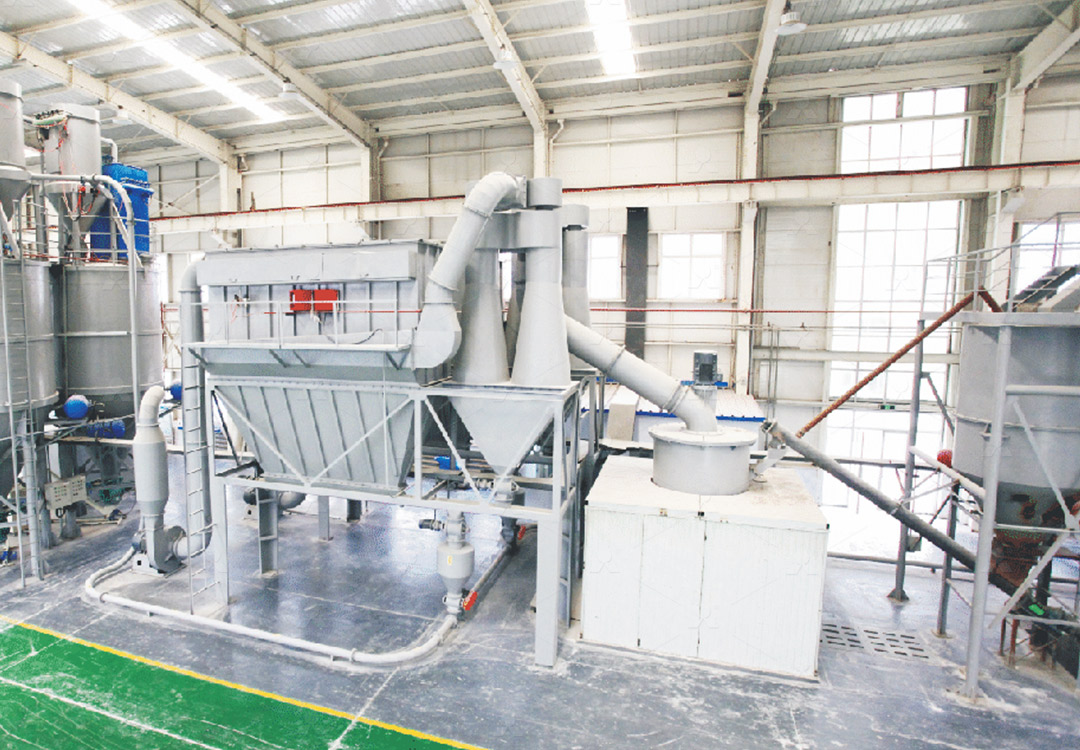
For projects demanding fineness between 325 and 2500 meshes, our MW Ultrafine Grinding Mill presents an excellent alternative. It is specifically engineered for customers requiring ultra-fine powder. A standout feature is its higher yielding rate at a lower energy consumption—production capacity is 40% higher than jet mills with system energy consumption only 30% of comparable systems. Its cage-type powder selector, incorporating German technology, allows for precise fineness adjustment. Furthermore, the absence of rolling bearings and screws in the grinding chamber eliminates common failure points, ensuring worry-free, continuous 24/7 operation.
The Value of Integrated Solutions and After-Sales Support
In the European market, the true cost of ownership extends far beyond the initial purchase price. Factors such as energy efficiency, spare parts availability, and technical support are critical. A mill that is 30-40% more energy-efficient can lead to massive operational savings over its lifespan. Similarly, choosing a supplier with a strong European presence ensures quick access to genuine spare parts and responsive technical service, minimizing costly downtime.
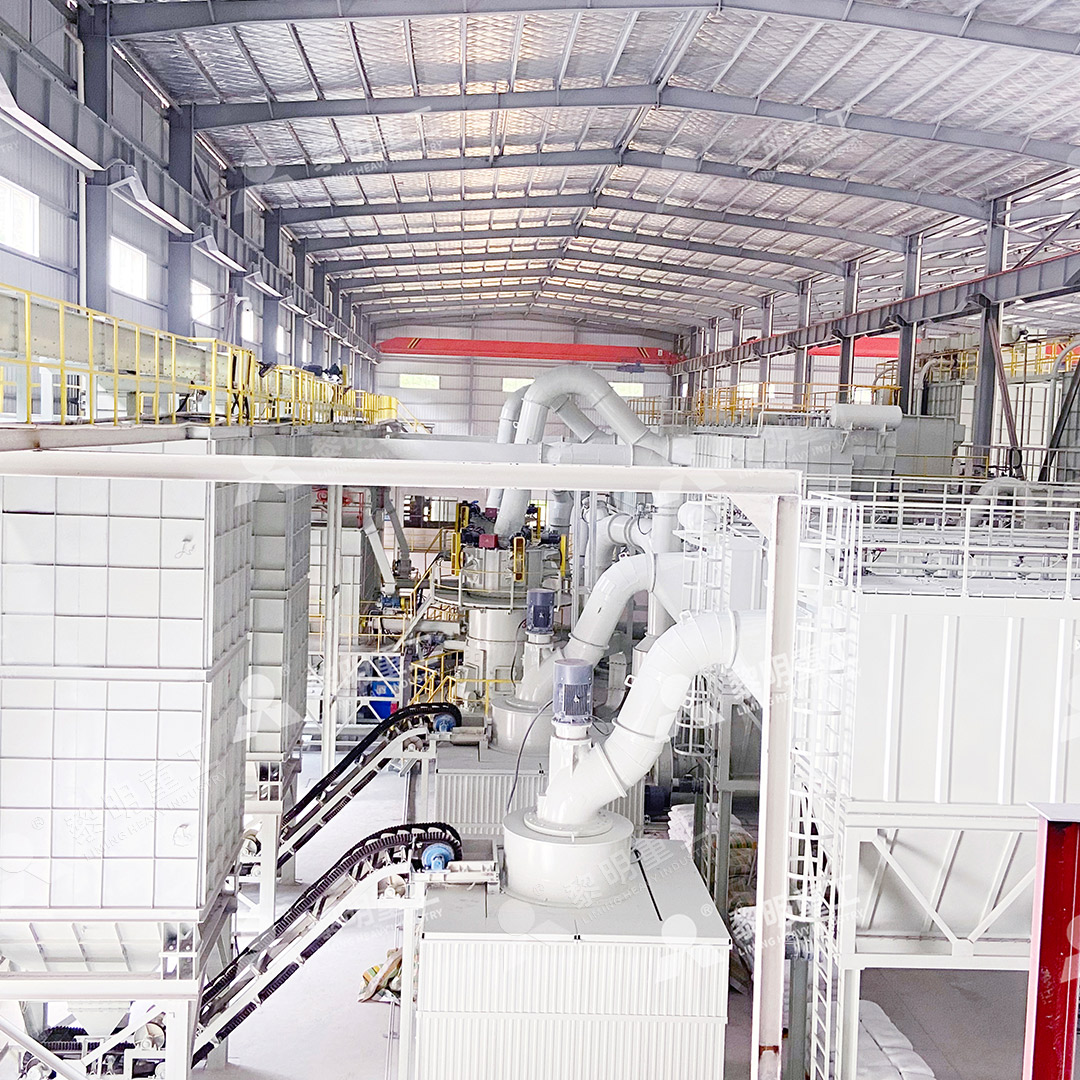
Another robust solution for ultra-fine applications is the LUM Ultrafine Vertical Grinding Mill. It integrates grinding, grading, and transporting into a single, compact unit. Its design incorporates the latest grinding roller technology and German powder separating technology, resulting in superior energy savings of 30%-50%. The mill’s reversible structure is a significant maintenance advantage, allowing grinding rollers to be easily moved out of the body for inspection and part replacement, drastically reducing shutdown time.
Conclusion: An Investment in Efficiency
Ultimately, the cost of a Raymond roller mill in Europe is an investment in your operation’s productivity. While entry-level models might start in the tens of thousands of Euros, a fully-equipped, high-capacity system for specialized applications can reach several hundred thousand Euros. The most cost-effective approach involves a detailed analysis of your specific needs against the long-term operational benefits offered by modern grinding technologies like the MW and LUM series.
Frequently Asked Questions (FAQ)
What is the typical price range for a standard Raymond Mill in Europe?
Prices can vary widely from €30,000 for a basic, smaller capacity unit to over €200,000 for a large, fully-automated system with all auxiliary equipment. A detailed quotation based on your specific requirements is essential.
Why consider an MW Ultrafine Mill over a traditional Raymond Mill?
The MW Series is designed for ultra-fine powder (325-2500 mesh) with significantly higher efficiency (40% more output) and lower energy consumption (up to 70% less than jet mills). It’s ideal for high-value, fine-powder industries like chemicals and cosmetics.
How does the LUM Vertical Mill reduce maintenance costs?
The LUM Mill features a reversible structure that allows the grinding roller to be easily swung out for maintenance. This design, combined with external lubrication points, enables faster part replacement and inspection without major disassembly, minimizing downtime.
Are spare parts readily available in Europe for these mills?
Yes, as a manufacturer with a global supply chain, we ensure sufficient stock of original spare parts and provide dedicated technical support to our European clients, guaranteeing worry-free operation.
What is the lead time for delivery and installation in Europe?
Lead times depend on the model complexity and current production schedule but typically range from 8 to 16 weeks after order confirmation, including shipping and coordination for installation supervision.