
Top 10 Giant Industrial Crusher, Mill & Grinding Machine Images
We provide a wide range of mills — including Raymond mill, trapezoidal mill, vertical mill, ultrafine mill, and ball mill, obtained ISO9001 international quality certification, EU CE certification, and Customs Union CU-TR certification. Suitable for processing minerals such as limestone, phosphate, quicklime, kaolin, talc, barite, bentonite, calcium carbonate, dolomite, coal, gypsum, clay, carbon black, slag, cement raw materials, cement clinker, and more.
The discharge range of these mills can be adjusted to meet specific processing needs, typically from 80-400 mesh, 600-3250 mesh, and can achieve the finest particle size of up to 6000 mesh(D50).
If you are looking for a reliable grinding solution to turn stone or minerals into fine powder, please feel free to contact our online customer service.
Top 10 Giant Industrial Crusher, Mill & Grinding Machine Images
Industrial grinding and crushing equipment represents the backbone of modern material processing across countless sectors. From mining and construction to pharmaceuticals and food production, these mechanical giants transform raw materials into precisely engineered powders and particles. The evolution of this machinery has been remarkable, moving from basic crushing mechanisms to sophisticated, computer-controlled systems that deliver unprecedented efficiency and precision.
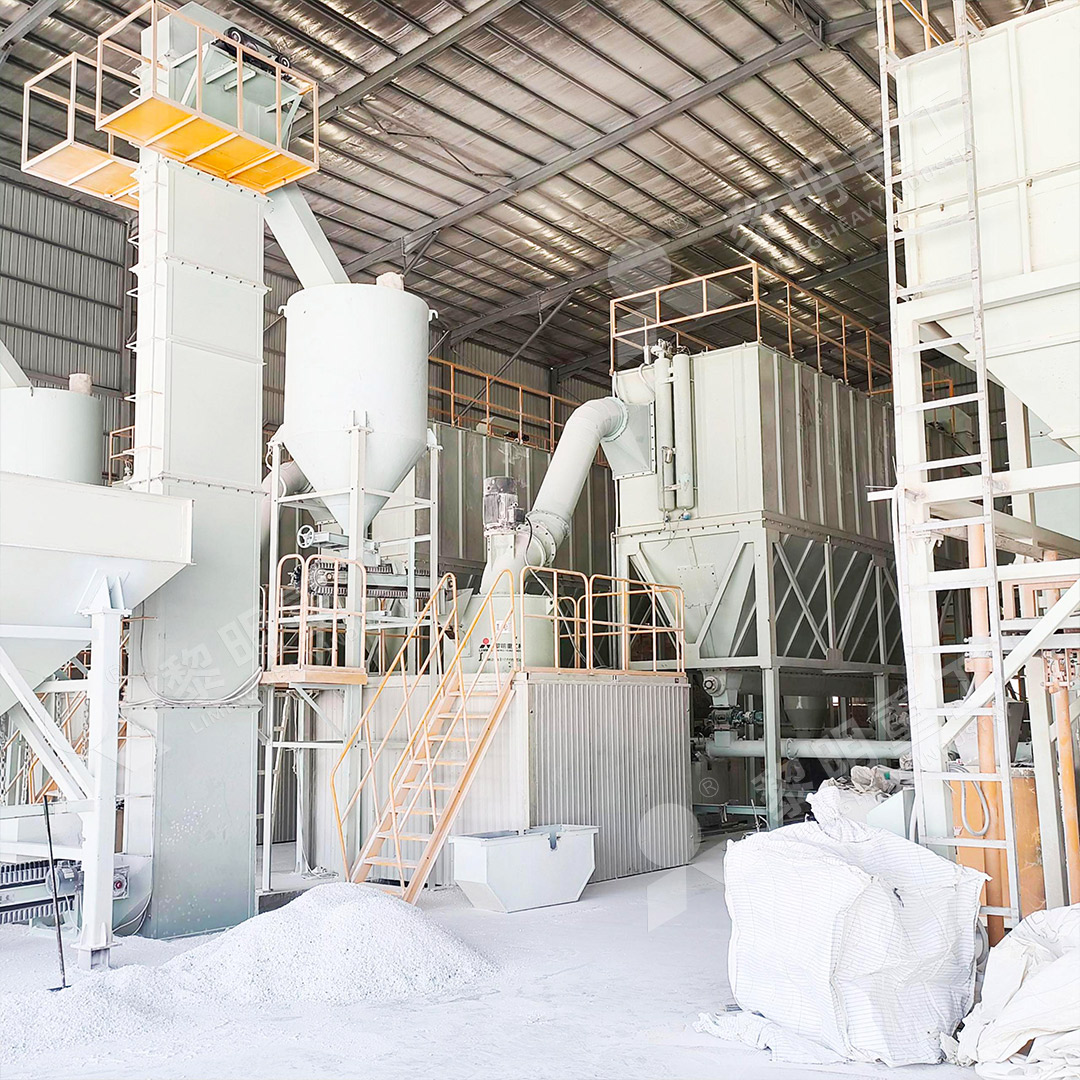
The Power of Precision Grinding
Modern industrial mills are engineering marvels designed to handle immense workloads while maintaining exacting standards for particle size distribution. The difference between a standard mill and a high-performance model often lies in the details: the geometry of grinding curves, the efficiency of powder separation, and the integration of advanced control systems. For operations requiring ultra-fine powders, specialized equipment is not just an advantage—it’s a necessity.
Among the standout performers in this category is the MW Ultrafine Grinding Mill. This machine is specifically engineered for customers who need to produce ultra-fine powder with exceptional consistency. With an input size capacity of 0-20 mm and a throughput ranging from 0.5 to 25 tons per hour, it handles materials like limestone, calcite, dolomite, gypsum, and talc with remarkable efficiency. What truly sets this mill apart is its innovative design that eliminates rolling bearings and screws from the grinding chamber, significantly reducing maintenance concerns and potential failure points.
Vertical Integration in Material Processing
Vertical grinding mills have revolutionized material processing by combining multiple operations into a single, compact unit. These systems integrate crushing, drying, grinding, classifying, and conveying—functions that traditionally required separate equipment spread across a large facility. The space savings alone can be dramatic, with some vertical mills occupying up to 50% less area than equivalent ball mill systems.
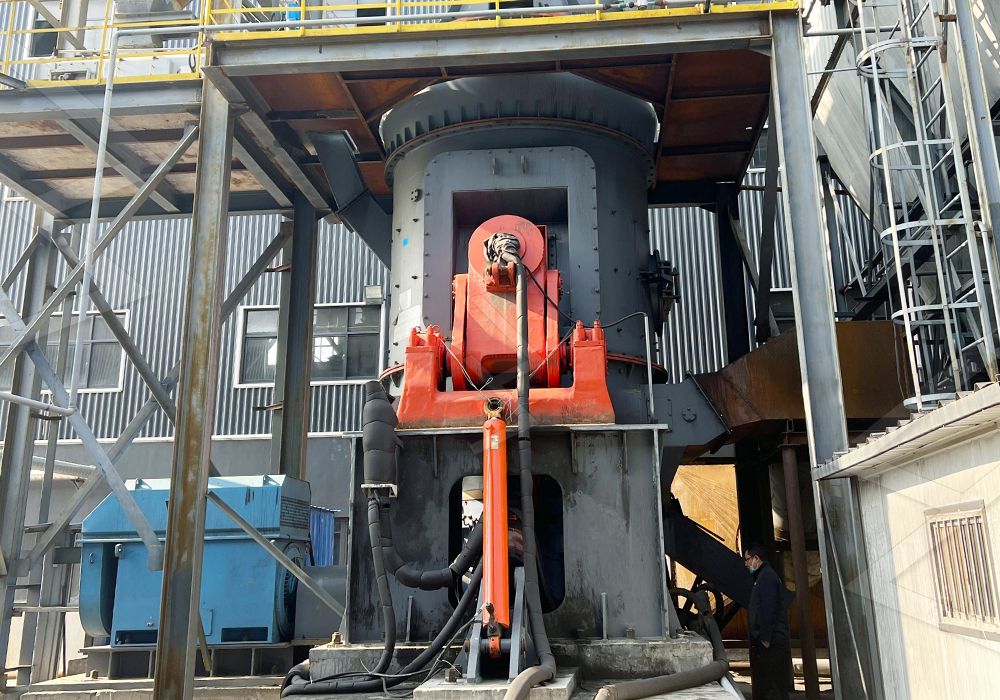
The LUM Ultrafine Vertical Grinding Mill exemplifies this integrated approach. Independently developed with the latest Taiwanese grinding roller technology and German powder separating technology, this mill represents the cutting edge in ultrafine powder processing. Its unique roller shell and lining plate grinding curve design promotes better material layer formation, enabling high finished product rates from a single pass. With an input size of 0-10 mm and capacity of 5-18 tph, it efficiently processes superfine dry powders of non-metal ores while reducing energy consumption by 30-50% compared to conventional mills.
European Engineering Excellence
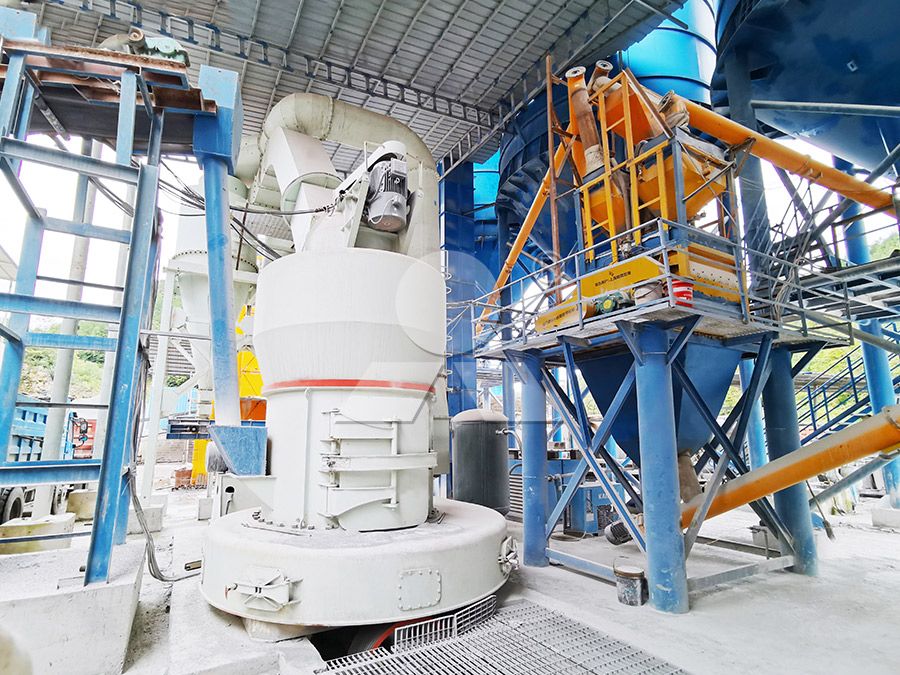
European-designed trapezium mills bring a different philosophy to industrial grinding, emphasizing reliability, ease of maintenance, and operational stability. These machines often feature advanced lubrication systems, innovative damping structures, and precision manufacturing that translates to longer service life and reduced downtime.
The MTW-Z European Trapezium Mill, for instance, incorporates a dilute oil lubrication system for its grinding rollers—a maintenance-friendly technology that eliminates frequent greasing requirements. Its elastic volute damping structure effectively minimizes vibration damage, while the absence of a shovel blade cylinder in the grinding chamber creates larger ventilation areas and smaller air-conveying resistance.
Specialized Applications: Coal and Slag Processing
Beyond general mineral processing, specialized mills have been developed for specific materials like coal and slag. These applications present unique challenges, including abrasive materials, varying moisture content, and stringent environmental requirements. Vertical coal mills, for example, must efficiently dry and grind simultaneously while maintaining stable operation under demanding conditions.
LM Vertical Coal Mills address these challenges with limit devices that prevent direct contact between grinding rollers and tables, avoiding severe vibration. Their hydraulic roller turning-out device allows complete roller removal for maintenance, while automated control systems enable remote operation and optimization. Similarly, LM Vertical Slag Mills are specifically engineered for industrial waste recycling, transforming slag into valuable powder for cement and concrete production.
Frequently Asked Questions
What is the main advantage of ultra-fine grinding mills over traditional ball mills?
Ultra-fine grinding mills like the MW series offer significantly higher efficiency for fine powder production. They can achieve fineness between 325-2500 meshes with screening rates achieving d97≤5μm in a single pass, while consuming only 30% of the energy compared to jet mills.
How does the powder separation technology affect grinding efficiency?
Advanced powder separators, such as the cage-type selectors in MW mills or multi-head separators in LUM mills, precisely control particle size distribution. This ensures only properly sized material passes as finished product, while oversize particles return for regrinding, optimizing both quality and throughput.
What maintenance advantages do modern grinding mills offer?
Contemporary designs prioritize maintenance accessibility. Features like the reversible structure in LUM mills allow grinding rollers to be easily moved out for inspection, while external lubrication systems in MW mills enable maintenance without shutdown, supporting continuous 24-hour operation.
How do these machines address environmental concerns?
Modern mills incorporate comprehensive environmental protections including efficient pulse dust collectors that eliminate dust pollution, silencers and noise elimination rooms to reduce operational noise, and sealed systems operating under negative pressure to prevent material escape.
What operational parameters can be controlled in automated grinding systems?
Advanced PLC systems allow precise control over grinding pressure, roller speed, feed rates, and temperature. This digital control enables optimization for different materials and product specifications while maintaining consistent quality.