
How Much Does a Ball Grinding Mill Cost in Indonesia?
We provide a wide range of mills — including Raymond mill, trapezoidal mill, vertical mill, ultrafine mill, and ball mill, obtained ISO9001 international quality certification, EU CE certification, and Customs Union CU-TR certification. Suitable for processing minerals such as limestone, phosphate, quicklime, kaolin, talc, barite, bentonite, calcium carbonate, dolomite, coal, gypsum, clay, carbon black, slag, cement raw materials, cement clinker, and more.
The discharge range of these mills can be adjusted to meet specific processing needs, typically from 80-400 mesh, 600-3250 mesh, and can achieve the finest particle size of up to 6000 mesh(D50).
If you are looking for a reliable grinding solution to turn stone or minerals into fine powder, please feel free to contact our online customer service.
Understanding Ball Mill Costs in the Indonesian Market
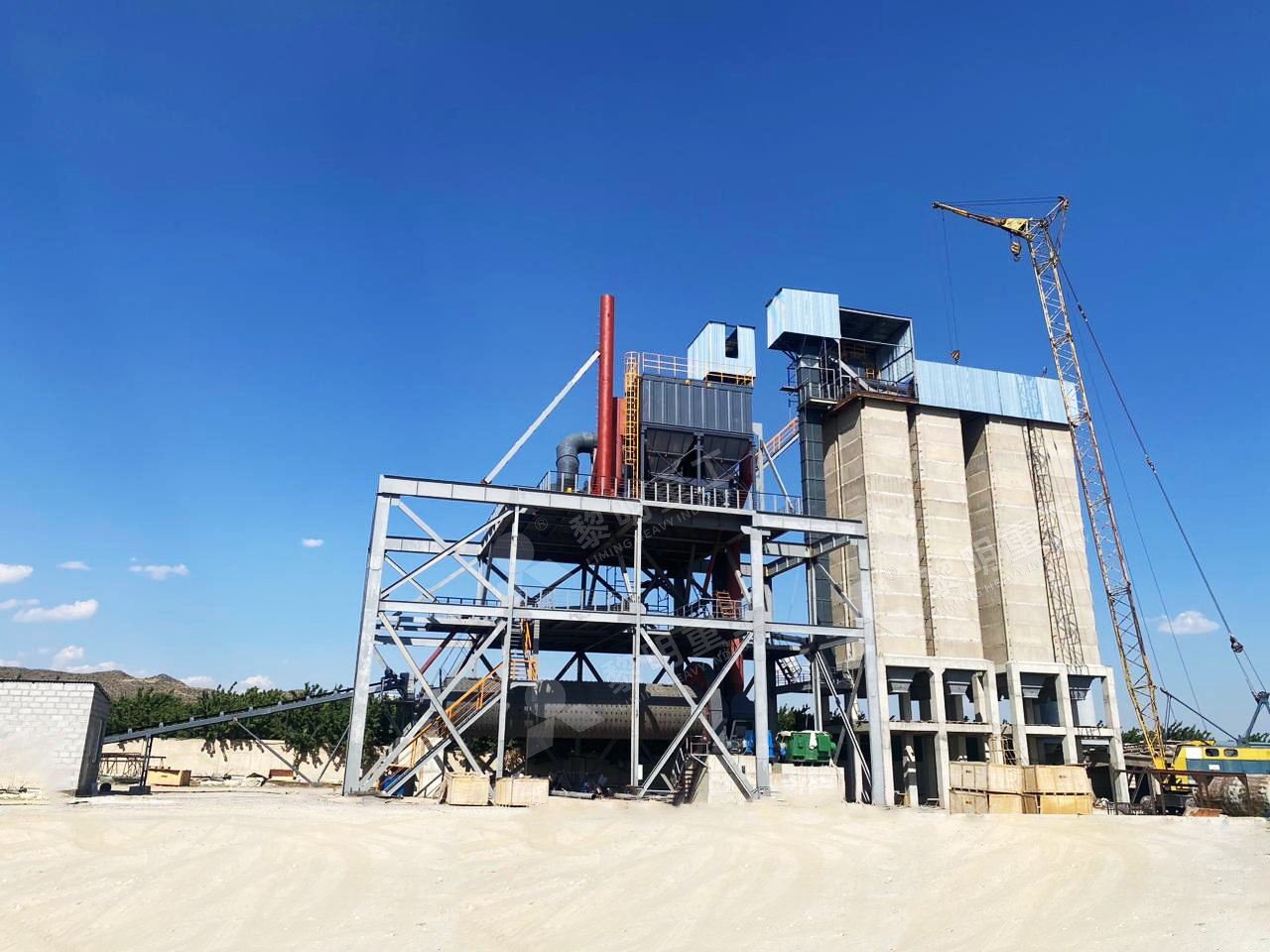
When considering the acquisition of a ball grinding mill in Indonesia, the initial purchase price is just one component of the total investment. The final cost is influenced by several factors including capacity requirements, material characteristics, energy consumption, and long-term operational expenses. Typically, a standard ball mill in Indonesia can range from $50,000 to $500,000 USD depending on size and specifications. However, savvy operators are increasingly looking beyond traditional ball mills to more advanced, cost-effective solutions.
Key Factors Affecting Grinding Mill Costs
Several critical elements determine the overall expenditure for grinding equipment in Indonesia:
- Capacity Requirements: Production needs ranging from small-scale operations (1-5 tph) to large industrial plants (50+ tph)
- Material Hardness: The abrasiveness and grindability of processed materials significantly impact wear part replacement costs
- Energy Consumption: Electricity costs in Indonesia make energy efficiency a crucial consideration
- Maintenance Requirements: Frequency of servicing and availability of spare parts affect long-term operational costs
- Environmental Compliance: Dust control and noise reduction systems add to initial investment but prevent regulatory issues
Modern Alternatives to Traditional Ball Mills
While ball mills have been industry workhorses for decades, technological advancements have introduced more efficient options that often provide better return on investment. For operations requiring ultra-fine powders, specialized grinding mills offer significant advantages in energy efficiency and production output.
The MW Ultrafine Grinding Mill Advantage
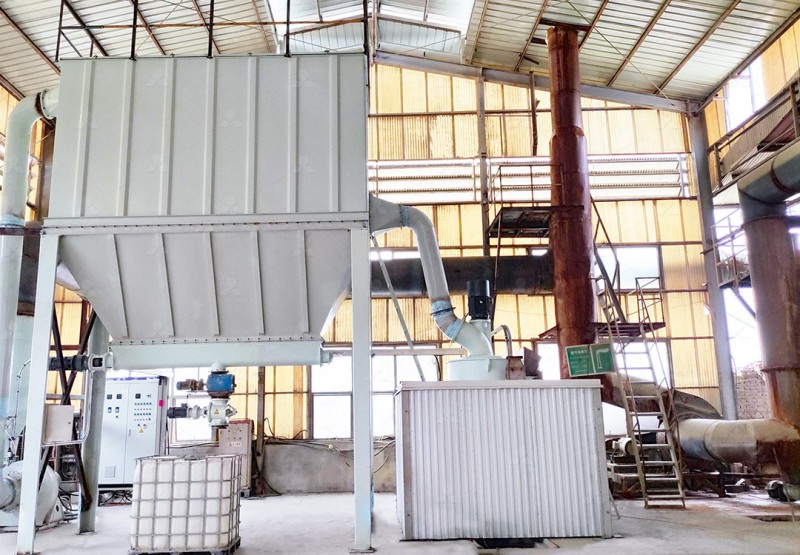
For Indonesian operations seeking superior performance in fine powder production, the MW Ultrafine Grinding Mill presents an excellent alternative to conventional ball mills. With an input size of 0-20 mm and capacity ranging from 0.5-25 tph, this advanced system delivers remarkable efficiency gains. The MW mill produces 40% higher capacity than jet mills and double the output of ball mills with equivalent power consumption, while reducing system energy usage by 30%.
What makes the MW Ultrafine Grinding Mill particularly suitable for Indonesian applications is its ability to handle diverse materials including limestone, calcite, dolomite, gypsum, barite, and talc. The innovative design features German cage-type powder selector technology, allowing precise fineness adjustment between 325-2500 meshes with screening rates achieving d97≤5μm in a single pass.
Operational Benefits for Indonesian Conditions
The MW mill’s unique chamber design eliminates rolling bearings and screws in the grinding area, preventing common failure points and reducing maintenance downtime. This is particularly valuable in remote Indonesian locations where technical support may be limited. The external lubrication system enables continuous 24-hour operation without shutdowns for maintenance.
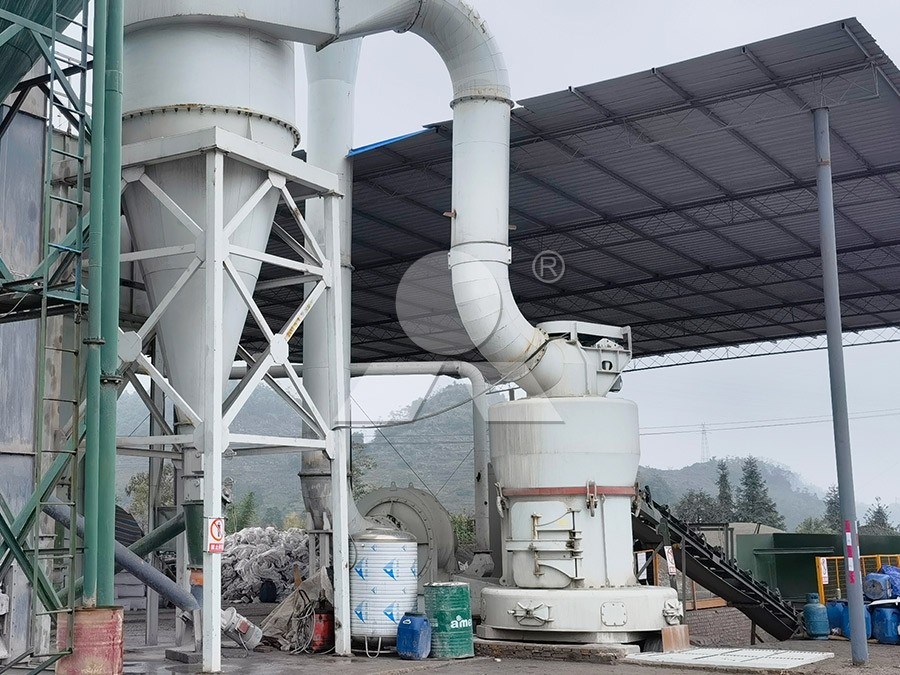
Environmental considerations are addressed through integrated pulse dust collection and noise reduction systems, ensuring compliance with Indonesia’s evolving environmental regulations. The fully digitalized manufacturing process guarantees precision engineering, while comprehensive spare parts support provides operational security for Indonesian customers.
Total Cost of Ownership Analysis
When evaluating grinding mill options, Indonesian operators should consider the complete cost picture over the equipment’s lifecycle. While advanced mills like the MW Ultrafine Grinding Mill may have higher initial costs than basic ball mills, the long-term savings in energy consumption (30-50% reduction), reduced maintenance requirements, and higher production output typically result in significantly lower operating costs per ton of processed material.
Frequently Asked Questions
What is the typical price range for a ball mill in Indonesia?
Basic ball mills start around $50,000 USD for small capacities, while large industrial units can exceed $500,000. However, total costs including installation, energy, and maintenance should be considered.
How does the MW Ultrafine Grinding Mill compare cost-wise to traditional ball mills?
While the initial investment may be higher, the MW mill typically achieves 40% higher production capacity with 30% lower energy consumption, resulting in lower cost per ton over the equipment’s lifespan.
What maintenance advantages does the MW Ultrafine Grinding Mill offer?
The absence of rolling bearings and screws in the grinding chamber reduces failure points, while external lubrication allows continuous operation without shutdowns for maintenance.
Can the MW mill handle Indonesian mining materials effectively?
Yes, it’s specifically designed for materials commonly processed in Indonesia including limestone, calcite, dolomite, gypsum, and various ores with fineness adjustable between 325-2500 meshes.
What environmental features make the MW mill suitable for Indonesia?
Integrated pulse dust collectors and noise reduction systems ensure compliance with environmental standards while maintaining operational efficiency.