
How Does a Ball Mill Machine Crush Rock into Soil Conditioner?
We provide a wide range of mills — including Raymond mill, trapezoidal mill, vertical mill, ultrafine mill, and ball mill, obtained ISO9001 international quality certification, EU CE certification, and Customs Union CU-TR certification. Suitable for processing minerals such as limestone, phosphate, quicklime, kaolin, talc, barite, bentonite, calcium carbonate, dolomite, coal, gypsum, clay, carbon black, slag, cement raw materials, cement clinker, and more.
The discharge range of these mills can be adjusted to meet specific processing needs, typically from 80-400 mesh, 600-3250 mesh, and can achieve the finest particle size of up to 6000 mesh(D50).
If you are looking for a reliable grinding solution to turn stone or minerals into fine powder, please feel free to contact our online customer service.
How Does a Ball Mill Machine Crush Rock into Soil Conditioner?
Transforming raw, unyielding rock into a fine, beneficial soil conditioner is a process that combines mechanical force with precision engineering. At the heart of this transformation lies the ball mill, a workhorse of the grinding industry. For agricultural and landscaping professionals, creating a high-quality soil amendment from mineral-rich rocks like limestone or dolomite can significantly improve soil structure and provide essential nutrients.
The Core Mechanism: Impact and Abrasion
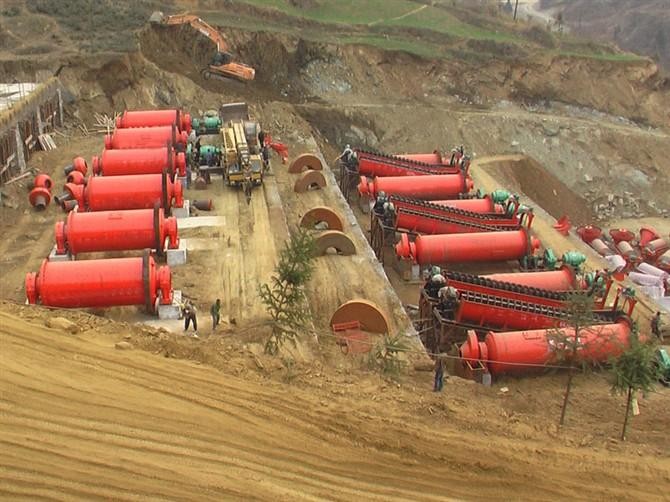
A ball mill operates on a relatively simple yet highly effective principle. The machine consists of a hollow cylindrical shell that rotates around its horizontal axis. This shell is partially filled with grinding media—typically high-density steel or ceramic balls. The material to be ground, in this case, crushed rock, is fed into the cylinder.
As the shell rotates, the balls are lifted up the rising side of the shell until they reach a point where they cascade down. In this cascading motion, the falling balls impact the rock particles with tremendous force, crushing them through impact. Simultaneously, the rolling and sliding motion of the balls against each other and the rock creates a grinding action through abrasion. This dual mechanism of impact and abrasion efficiently reduces the rock from coarse fragments to a fine, powdery consistency ideal for soil integration.
From Rock Powder to Soil Conditioner
The fineness of the final product is critical for its effectiveness as a soil conditioner. A powder that is too coarse will break down too slowly in the soil, while an ultra-fine powder offers immediate benefits, such as rapid pH adjustment (in the case of limestone) and improved soil aeration. The particle size is controlled by several factors within the ball mill:
- Residence Time: The longer the rock remains inside the mill, the finer it becomes.
- Size and Density of Grinding Balls: Larger, denser balls deliver more impact force for initial crushing, while smaller balls are better for fine grinding.
- Rotational Speed: The speed of the mill determines the cascading action of the balls. An optimal speed ensures the balls fall effectively onto the material.
Beyond the Traditional Ball Mill: Advanced Solutions for Superior Fineness
While traditional ball mills are effective, modern mineral processing demands higher efficiency, finer particle sizes, and lower energy consumption. For operations requiring an ultra-fine powder to create a premium-grade soil conditioner, advanced grinding technologies offer significant advantages.
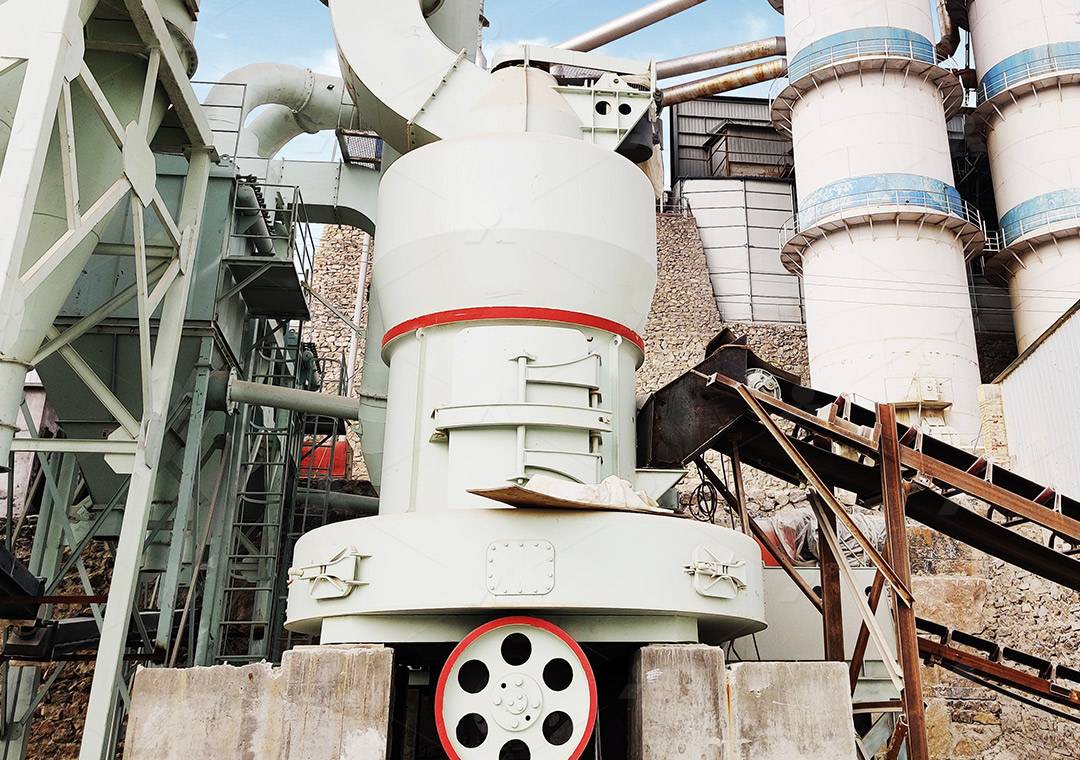
For instance, our MW Ultrafine Grinding Mill is engineered for customers who need to produce ultra-fine powder with exceptional precision. With an adjustable fineness between 325 and 2500 meshes, it can produce a soil amendment powder so fine it can be easily absorbed by plant root systems. This machine boasts a production capacity of 0.5-25 tph and handles an input size of 0-20 mm. Its innovative design features higher yielding and lower energy consumption—achieving 40% higher capacity than jet mills while using only 30% of the energy. Furthermore, its efficient pulse dust collector ensures the entire production process is environmentally friendly, with no dust pollution, making it an ideal choice for sustainable agricultural operations.
Another excellent option for producing consistent, high-quality powder is the LUM Ultrafine Vertical Grinding Mill. Integrating grinding, grading, and transporting, the LUM mill is renowned for its energy-saving multi-head powder separating technology, which reduces energy consumption by 30%-50%. Its reversible structure allows for easier maintenance, minimizing downtime. This mill is perfect for producing superfine dry powder from non-metallic ores like calcite and dolomite, which are key ingredients in advanced soil conditioners.

Conclusion
The process of crushing rock into a valuable soil conditioner is a testament to the power of mechanical grinding. From the robust, cascading action of a ball mill to the high-tech, precision grinding of ultrafine mills, the right equipment is crucial for achieving the desired product quality and operational efficiency. By selecting advanced grinding solutions, producers can create superior soil amendments that contribute to healthier crops and more sustainable land management practices.
Frequently Asked Questions (FAQ)
What types of rock are best for making soil conditioner in a ball mill?
Mineral-rich rocks like limestone (for pH adjustment), dolomite (for magnesium and calcium), gypsum (for calcium and sulfur), and basalt (for trace minerals) are excellent choices. The specific rock type depends on the soil’s nutritional needs.
How fine should the rock powder be for effective use as a soil conditioner?
For most agricultural applications, a fineness of 100 to 400 mesh is effective. Ultra-fine powders (over 1000 mesh) offer quicker nutrient release but may require more advanced milling equipment like the MW Ultrafine Grinding Mill.
Can a ball mill handle moist rock?
Traditional ball mills can struggle with moist material, leading to clogging. Many modern grinding mills, however, integrate drying functions. It is often recommended to crush and dry the rock before the final grinding stage for optimal efficiency.
What are the main advantages of an ultrafine mill over a standard ball mill for this application?
Ultrafine mills, such as the MW or LUM series, provide superior energy efficiency, much finer particle size control, and integrated dust collection systems. This results in a higher-quality product, lower operating costs, and a cleaner, more environmentally friendly production process.