
How to Choose the Right Coal Mill for Your Lime Kiln: A Case Study by Liming Heavy Industry
We provide a wide range of mills — including Raymond mill, trapezoidal mill, vertical mill, ultrafine mill, and ball mill, obtained ISO9001 international quality certification, EU CE certification, and Customs Union CU-TR certification. Suitable for processing minerals such as limestone, phosphate, quicklime, kaolin, talc, barite, bentonite, calcium carbonate, dolomite, coal, gypsum, clay, carbon black, slag, cement raw materials, cement clinker, and more.
The discharge range of these mills can be adjusted to meet specific processing needs, typically from 80-400 mesh, 600-3250 mesh, and can achieve the finest particle size of up to 6000 mesh(D50).
If you are looking for a reliable grinding solution to turn stone or minerals into fine powder, please feel free to contact our online customer service.
Introduction
Selecting the optimal coal mill for lime kiln operations is a critical decision that directly impacts production efficiency, fuel quality, and operational costs. The unique requirements of lime production demand careful consideration of grinding technology, particle size distribution, and system reliability. Based on our extensive experience in mineral processing equipment, we’ve identified key factors that determine successful coal mill selection for lime manufacturing facilities.
Understanding Lime Kiln Fuel Requirements
Lime kilns require precisely ground coal with specific characteristics to maintain optimal combustion temperatures and product quality. The coal powder must have consistent fineness (typically between 200-325 mesh), uniform moisture content, and reliable feeding characteristics. Traditional ball mills often struggle to meet these requirements efficiently, leading to higher energy consumption and inconsistent product quality.
Key Performance Indicators
- Particle size distribution consistency
- Moisture control capabilities
- Energy consumption per ton of ground coal
- System availability and maintenance requirements
- Environmental compliance features
Case Study: Modernizing a Traditional Lime Plant
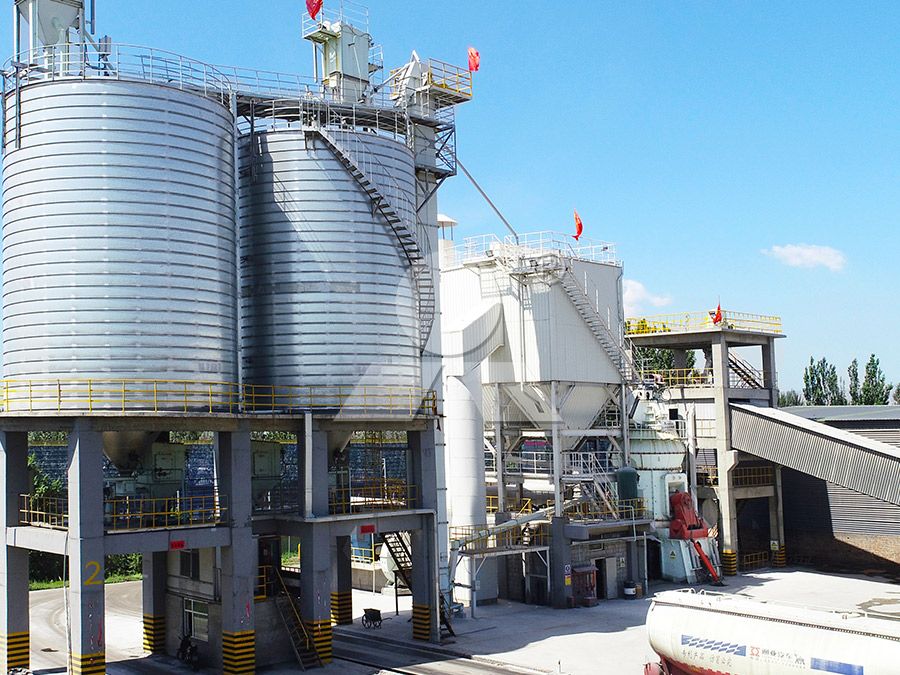
Recently, we assisted a lime producer in transitioning from outdated grinding technology to modern vertical grinding systems. The plant was experiencing inconsistent kiln temperatures due to variable coal fineness, resulting in quality issues with their final lime product. After thorough analysis, we recommended the LM Vertical Coal Mill as the optimal solution.

Implementation Results
The LM Vertical Coal Mill installation delivered remarkable improvements: energy consumption reduced by 40%, particle size consistency improved by 65%, and system availability reached 98%. The integrated drying capability allowed the plant to process coal with higher moisture content without pre-drying equipment, significantly reducing capital investment.
Advanced Solutions for Specialized Applications
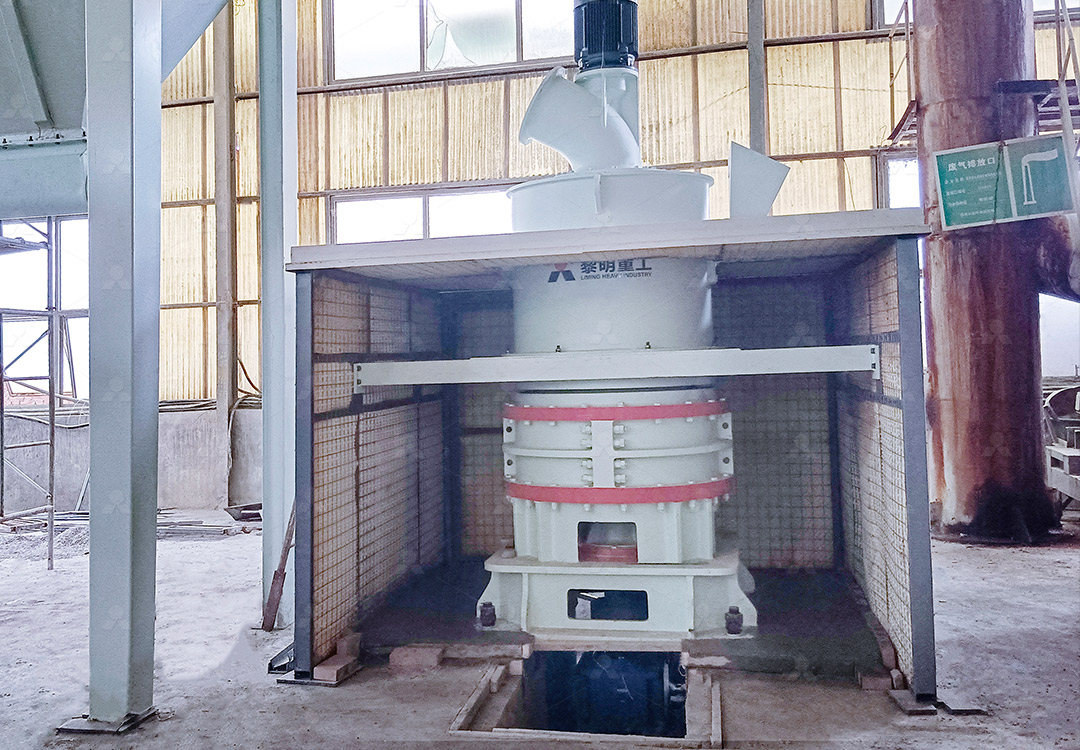
For operations requiring ultra-fine coal powder or processing of alternative fuels, we often recommend the MW Ultrafine Grinding Mill. This system excels in applications demanding precise control over fineness (adjustable between 325-2500 meshes) and exceptional energy efficiency. The unique design without rolling bearings in the grinding chamber eliminates common failure points, ensuring continuous operation critical for lime kiln fuel supply.
Technical Advantages
The MW Ultrafine Grinding Mill delivers 40% higher production capacity compared to jet mills while consuming only 30% of the energy. Its German-designed cage-type powder selector ensures precise particle separation, and the external lubrication system enables maintenance without production stoppages.
Selection Methodology
Our approach to coal mill selection involves comprehensive analysis of multiple factors:
Production Capacity Assessment
Matching mill capacity to kiln fuel requirements is essential. Under-sized equipment causes production bottlenecks, while over-sized systems increase capital and operating costs unnecessarily.
Material Characteristics Analysis
Coal hardness, moisture content, and abrasiveness determine the appropriate grinding technology and wear protection requirements.
Site-Specific Considerations
Space constraints, environmental regulations, and available utilities influence the final equipment selection.
Frequently Asked Questions
What is the typical lifespan of a vertical coal mill in lime production?
Properly maintained vertical coal mills typically operate for 15-20 years before major refurbishment. Critical wear parts like grinding rollers and tables may require replacement every 2-3 years depending on coal abrasiveness.
How does coal moisture content affect mill selection?
High moisture coal (above 15%) requires mills with integrated drying capabilities. Both the LM Vertical Coal Mill and MW Ultrafine Grinding Mill can handle moisture contents up to 20% without pre-drying systems.
What maintenance features should I prioritize for lime kiln applications?
Look for systems with external lubrication, hydraulic roller withdrawal mechanisms, and online monitoring capabilities. These features minimize downtime during maintenance operations.
How important is particle size distribution for lime kiln efficiency?
Extremely critical. Consistent fineness ensures stable combustion temperatures, which directly impacts lime quality, fuel efficiency, and refractory life. Variations in coal fineness can cause temperature fluctuations exceeding 100°C.
Can these mills handle alternative fuels besides coal?
Yes, both the LM Vertical Coal Mill and MW Ultrafine Grinding Mill can process petroleum coke, biomass, and other alternative fuels commonly used in modern lime production.