
How to Set Up a Cost-Effective Gangue Vertical Mill Production Line
We provide a wide range of mills — including Raymond mill, trapezoidal mill, vertical mill, ultrafine mill, and ball mill, obtained ISO9001 international quality certification, EU CE certification, and Customs Union CU-TR certification. Suitable for processing minerals such as limestone, phosphate, quicklime, kaolin, talc, barite, bentonite, calcium carbonate, dolomite, coal, gypsum, clay, carbon black, slag, cement raw materials, cement clinker, and more.
The discharge range of these mills can be adjusted to meet specific processing needs, typically from 80-400 mesh, 600-3250 mesh, and can achieve the finest particle size of up to 6000 mesh(D50).
If you are looking for a reliable grinding solution to turn stone or minerals into fine powder, please feel free to contact our online customer service.
Introduction: Maximizing Value from Gangue Processing
Establishing an efficient production line for grinding gangue, a by-product of coal mining, presents a unique opportunity to transform waste into valuable resources. The key to profitability lies in selecting the right milling technology that balances initial investment with long-term operational efficiency. A well-designed vertical mill system can significantly reduce energy consumption, minimize floor space, and produce a fine powder suitable for various applications like cement additives, brick manufacturing, or backfill material.
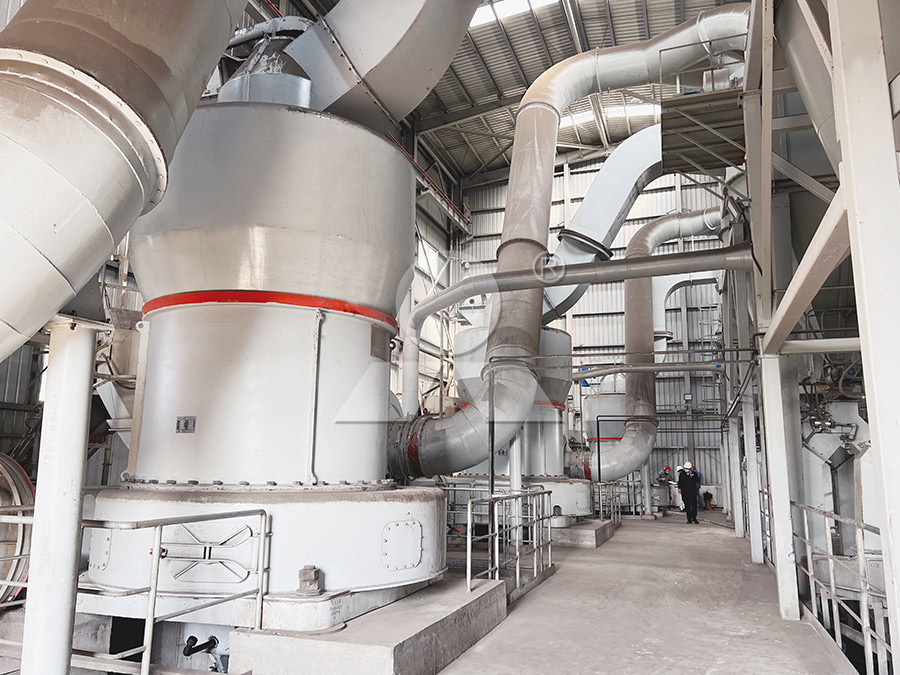
Core Components of a Gangue Grinding Line
A typical production line extends far beyond the mill itself. It integrates several critical stages:
- Primary Crushing: Raw gangue with a large particle size is first reduced by a jaw crusher to meet the mill’s feed requirements.
- Drying & Feeding: Depending on moisture content, a dryer may be necessary. A vibrating feeder then ensures a consistent and controlled flow of material into the mill.
- Grinding & Classification: This is the heart of the operation, where the vertical mill grinds and classifies the material in a single unit.
- Product Collection & Dust Control: A pulse bag dust collector captures the final powder and ensures an environmentally clean operation.
Selecting the Optimal Vertical Mill for Gangue
Not all vertical mills are created equal, especially when processing abrasive materials like gangue. The ideal machine must offer robust construction, high grinding efficiency, and minimal maintenance downtime. For operations prioritizing ultra-fine powder (325-2500 meshes) with lower capacity requirements, the MW Ultrafine Grinding Mill is an exceptional choice. It is specifically engineered for customers needing to make ultra-fine powder from materials like gangue. With an input size of 0-20 mm and a capacity range of 0.5-25 tph, it combines higher yield with lower energy consumption. Its innovative design, featuring no rolling bearings or screws in the grinding chamber, eliminates common failure points and allows for external lubrication without shutdown, supporting continuous 24/7 production.
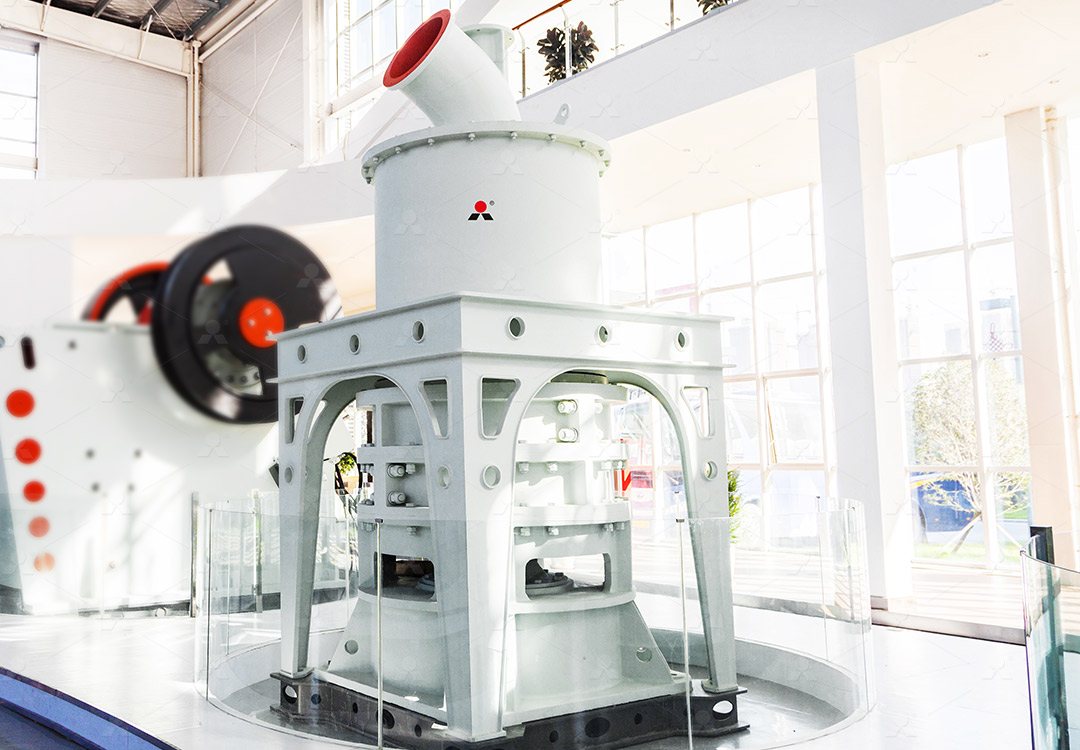
For projects requiring a robust solution that integrates advanced grinding roller technology and superior powder separation, the LUM Ultrafine Vertical Grinding Mill stands out. It handles an input size of 0-10 mm with a capacity of 5-18 tph. Its unique roller shell and lining plate grinding curve promote stable material layer formation, enabling a high rate of finished product in a single pass. A significant advantage is its reversible structure, which allows the heavy grinding roller to be easily moved out of the mill body for maintenance, drastically reducing downtime and associated costs.
Key Considerations for Cost-Effectiveness
To truly achieve a cost-effective setup, focus on these factors:
- Total Energy Consumption: Vertical mills are inherently more efficient than ball mills. Look for features like PLC-controlled grinding pressure and multi-head powder separators that can reduce energy use by 30-50%.
- Maintenance Accessibility: Designs that facilitate easy inspection and replacement of wear parts, such as rollers and liners, keep long-term operating costs low.
- Environmental Compliance: Integrated pulse dust collectors and silencers are not optional; they are essential for sustainable and compliant operation, avoiding potential fines.

Frequently Asked Questions (FAQ)
What is the typical fineness range achievable for gangue powder?
With advanced mills like the MW series, gangue can be ground to a fineness between 325 and 2500 meshes (d97≤5μm), making it suitable for high-value applications.
How does a vertical mill reduce operational costs compared to a traditional ball mill?
Vertical mills integrate grinding, drying, and classifying, eliminating the need for separate equipment. They consume 30-40% less energy, have a smaller footprint, and require less maintenance due to their simpler mechanical structure and absence of grinding media like steel balls.
What kind of after-sales support is crucial for a gangue production line?
Reliable access to original spare parts and responsive technical service is vital. A supplier that guarantees worry-free operation through comprehensive support ensures maximum uptime and protects your investment.