
What Is the Price of a Cyclone Pump for a Ball Mill in Indonesia?
We provide a wide range of mills — including Raymond mill, trapezoidal mill, vertical mill, ultrafine mill, and ball mill, obtained ISO9001 international quality certification, EU CE certification, and Customs Union CU-TR certification. Suitable for processing minerals such as limestone, phosphate, quicklime, kaolin, talc, barite, bentonite, calcium carbonate, dolomite, coal, gypsum, clay, carbon black, slag, cement raw materials, cement clinker, and more.
The discharge range of these mills can be adjusted to meet specific processing needs, typically from 80-400 mesh, 600-3250 mesh, and can achieve the finest particle size of up to 6000 mesh(D50).
If you are looking for a reliable grinding solution to turn stone or minerals into fine powder, please feel free to contact our online customer service.
What Is the Price of a Cyclone Pump for a Ball Mill in Indonesia?
This is a common question we receive from mining and mineral processing operators across the Indonesian archipelago. However, the answer is rarely straightforward. The price of a cyclone pump, a critical component in the closed-circuit grinding system of a ball mill, is influenced by a complex matrix of factors. Instead of a single figure, a more productive approach is to understand the total cost of ownership and explore modern, high-efficiency alternatives that can significantly improve your bottom line.
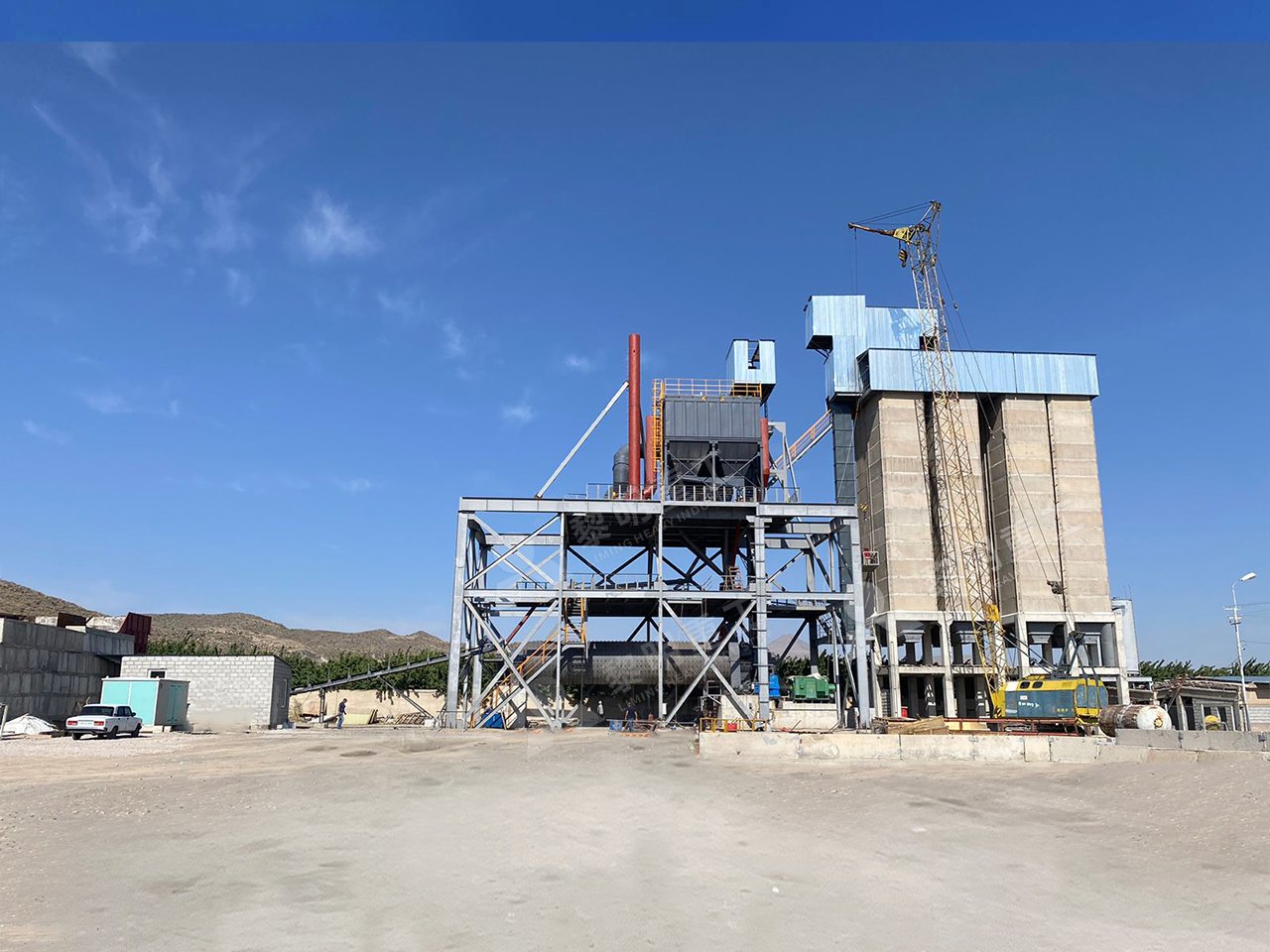
Key Factors Influencing Cyclone Pump Costs
When sourcing a cyclone pump for your ball mill operation in Indonesia, several variables directly impact the price:
- Capacity and Specifications: The required flow rate and head pressure, determined by your ball mill’s size and the density of the slurry, are primary cost drivers. A larger ball mill necessitates a more powerful and expensive pump.
- Material of Construction: The abrasiveness of the processed material is crucial. Slurries containing hard minerals like granite or copper ore demand pumps constructed from high-chrome alloys or specialized rubber linings, which cost significantly more than standard cast iron models.
- Brand and Origin: International brands with established reputations for reliability often command a premium over local or lesser-known manufacturers. However, this can be offset by longer service life and better after-sales support.
- Local Logistics and Import Duties: For operations in remote areas of Indonesia, transportation and installation costs can be substantial. Import duties on machinery also add to the final price.
Beyond the Initial Price Tag: The Efficiency Equation
Focusing solely on the pump’s purchase price can be a costly mistake. The real expense lies in the operational costs, primarily energy consumption and maintenance. A cyclone pump is a continuous-duty machine; even a small gain in efficiency translates to massive savings in electricity over its lifespan. Furthermore, unexpected downtime for pump repairs halts the entire grinding circuit, leading to significant production losses.
This is where a holistic review of your grinding circuit becomes invaluable. While the ball mill is a workhorse, newer grinding technologies offer dramatic improvements in energy efficiency and product fineness. For operations looking to expand or upgrade, considering these alternatives can be a strategic move.
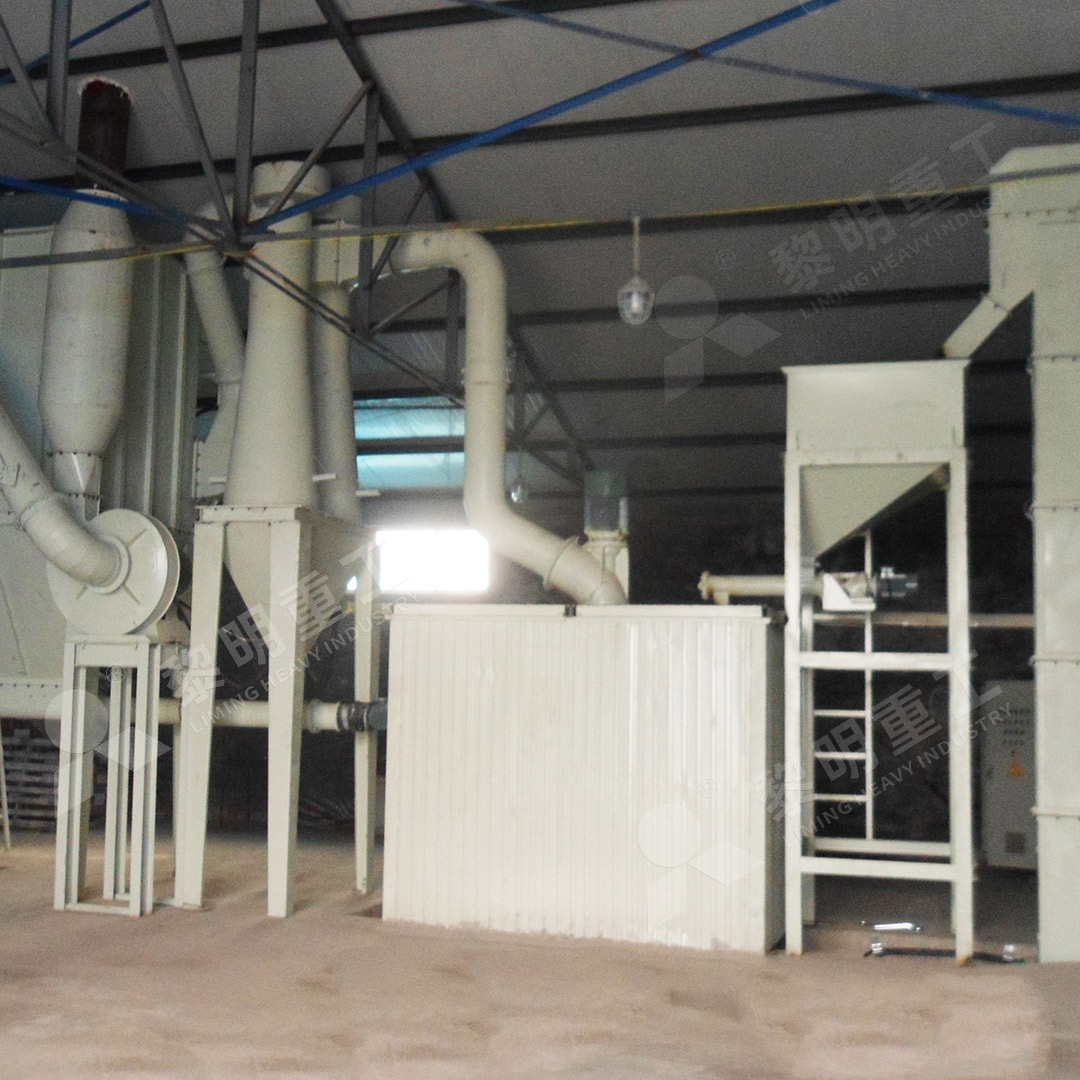
A Modern Alternative: Enhancing Your Grinding Process
For producers aiming for ultra-fine powders or seeking to reduce overall energy consumption, the MW Ultrafine Grinding Mill presents a compelling solution. This machine is engineered for customers who need to make ultra-fine powder efficiently. With an input size of 0-20 mm and a capacity ranging from 0.5 to 25 tph, it is highly versatile.
Its key advantages include higher yielding and lower energy consumption, achieving 40% higher production capacity than jet mills and twice the yield of a ball mill while using only 30% of the energy. It also offers adjustable fineness between 325-2500 meshes. Crucially, its design eliminates rolling bearings and screws in the grinding chamber, mitigating common failure points and enabling worry-free, 24-hour operation—a significant benefit for continuous processing plants.
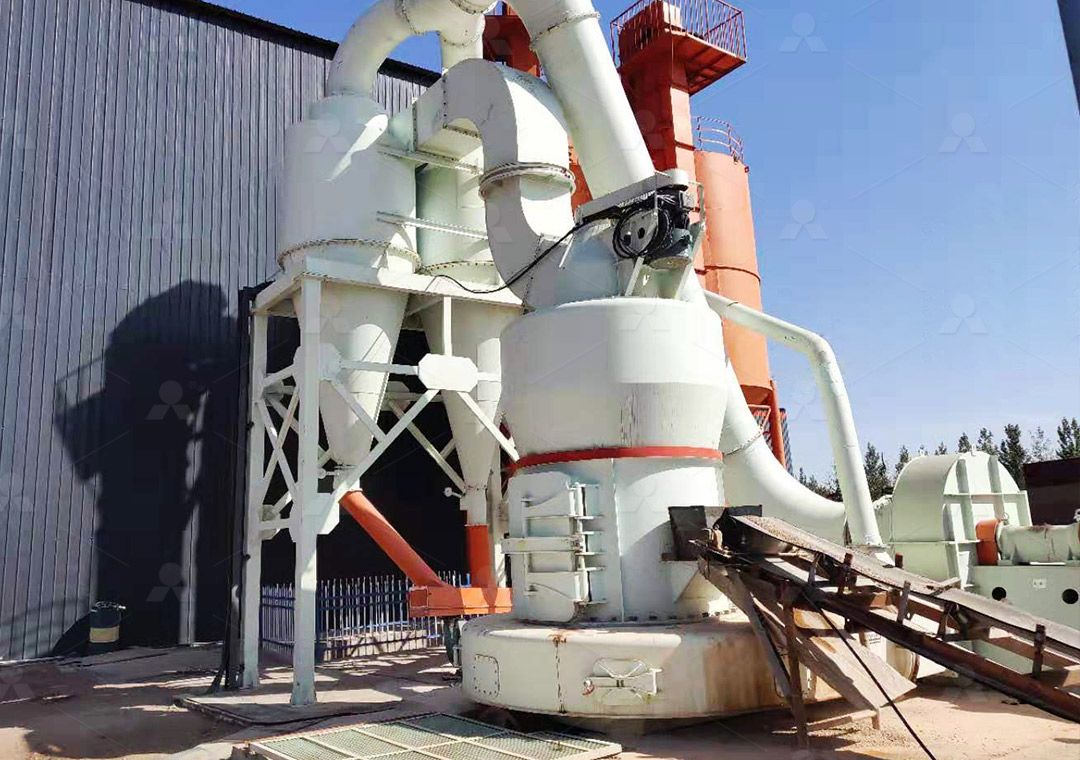
Another excellent option for achieving superior product quality is the LUM Ultrafine Vertical Grinding Mill. Integrating grinding, grading, and transporting, the LUM mill features higher yielding rates and better quality finished products. Its energy-saving multi-head powder separating technology can reduce energy consumption by 30%-50% compared to common grinding mills. The double position-limiting technology ensures stable operation, which is critical for maintaining consistent product quality in demanding environments.
Conclusion: A Strategic Investment
In summary, the price of a cyclone pump for your ball mill in Indonesia is a variable figure, but the pursuit of lowest initial cost should not overshadow long-term operational efficiency. By evaluating your entire grinding process, you may discover that investing in advanced technology like the MW or LUM grinding mills can lead to greater savings, higher product quality, and improved operational reliability, ultimately providing a faster return on investment than a simple pump replacement.
Frequently Asked Questions (FAQ)
- Q1: What is the typical price range for a cyclone pump for a medium-sized ball mill in Indonesia?
- A: Providing a precise range is difficult without specific project details. Prices can vary widely from tens of thousands to over a hundred thousand US dollars, depending on capacity, materials, and brand. We recommend contacting our engineering team for a custom quotation based on your technical data sheet.
- Q2: Are there energy-efficient cyclone pumps available?
- A: Yes, modern pumps with optimized impeller designs and high-efficiency motors are available. However, the greatest energy savings often come from optimizing the entire grinding circuit, which may include upgrading to a more efficient mill like the MW Series to reduce the recirculating load on the pump.
- Q3: How does the MW Ultrafine Grinding Mill compare to a traditional ball mill in terms of operating costs?
- A: The MW Mill is designed for significantly lower energy consumption (up to 70% less than a ball mill for similar output) and requires less maintenance due to its simplified mechanical structure. This results in substantially lower operating costs over time.
- Q4: Can the MW or LUM mills handle the same materials as a ball mill?
- A: Absolutely. These mills are suitable for a wide range of materials, including limestone, calcite, dolomite, petroleum coal, gypsum, barite, and talc, among others. They are particularly effective for producing finer powders with higher uniformity.