
How Much Does a Molten Salt Slag Grinding Machine Cost? A Detailed Price Analysis
We provide a wide range of mills — including Raymond mill, trapezoidal mill, vertical mill, ultrafine mill, and ball mill, obtained ISO9001 international quality certification, EU CE certification, and Customs Union CU-TR certification. Suitable for processing minerals such as limestone, phosphate, quicklime, kaolin, talc, barite, bentonite, calcium carbonate, dolomite, coal, gypsum, clay, carbon black, slag, cement raw materials, cement clinker, and more.
The discharge range of these mills can be adjusted to meet specific processing needs, typically from 80-400 mesh, 600-3250 mesh, and can achieve the finest particle size of up to 6000 mesh(D50).
If you are looking for a reliable grinding solution to turn stone or minerals into fine powder, please feel free to contact our online customer service.
How Much Does a Molten Salt Slag Grinding Machine Cost? A Detailed Price Analysis
For professionals in industries dealing with industrial by-products like molten salt slag, finding the right grinding equipment is a critical investment decision. The question of cost, however, is rarely straightforward. The price of a molten salt slag grinding machine is not a single figure but a range influenced by a complex interplay of factors. This analysis aims to demystify these costs and provide a clear framework for budgeting.
Key Factors Influencing the Final Price Tag
Understanding what you’re paying for is the first step. The final cost is a sum of several components:
- Production Capacity (tph): This is often the primary cost driver. A machine with a capacity of 5 tons per hour (tph) will be significantly less expensive than one rated for 50 tph. Your required throughput directly scales the investment.
- Desired Fineness (Mesh Size): Achieving a super-fine powder (e.g., 2500 mesh) requires more advanced grinding technology and precision separators than producing a coarse grind (e.g., 200 mesh). Higher fineness specifications typically command a higher price.
- Technology and Features: Basic models get the job done, but advanced features like automated control systems, high-efficiency powder selectors, integrated dust collectors, and energy-saving designs add to the cost while offering long-term operational savings.
- System Configuration: Are you purchasing a standalone mill or a complete system that includes crushers, elevators, feeders, and dust collection units? A full production line represents a larger capital outlay.
- Manufacturer and After-Sales Service: Established brands with proven reliability and comprehensive after-sales support, including readily available spare parts, may have higher initial prices but reduce long-term downtime risks.
Navigating the Price Spectrum: From Basic to Advanced Solutions
Based on these factors, grinding equipment for materials like slag can be broadly categorized into three price tiers:
- Entry-Level (Approx. $50,000 – $150,000): This range typically includes smaller capacity Raymond Mills or basic Ball Mills. They are suitable for lower volume production or coarser grinding requirements. Operating costs may be higher due to lower energy efficiency.
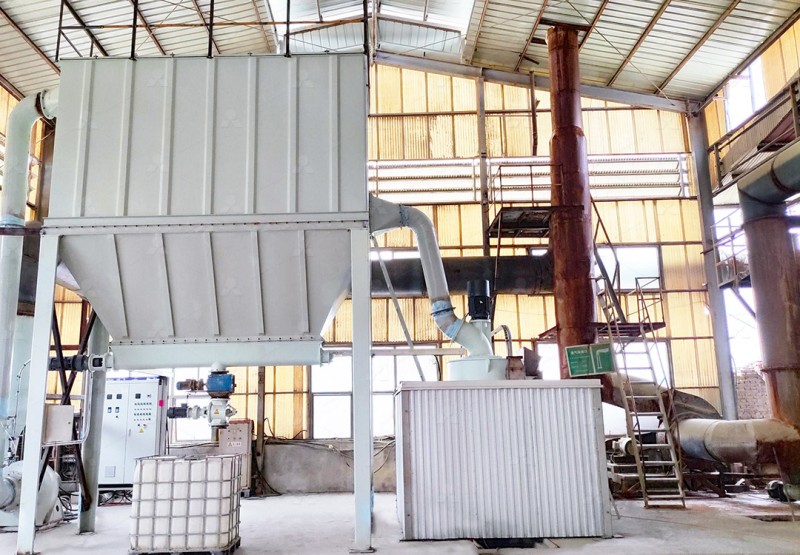
- Mid-Range (Approx. $150,000 – $400,000): This is the most common range for modern, efficient mills like the MTW European Trapezium Mill or our highly recommended MW Ultrafine Grinding Mill. These machines offer an excellent balance of capacity, energy efficiency, and advanced features. The MW Series, for instance, is engineered for customers needing ultra-fine powder. It handles input sizes up to 20mm with a capacity range of 0.5-25 tph and can achieve a remarkable fineness between 325-2500 meshes. Its design incorporates an efficient pulse dust collector and muffler, making the entire production process more environmentally friendly.
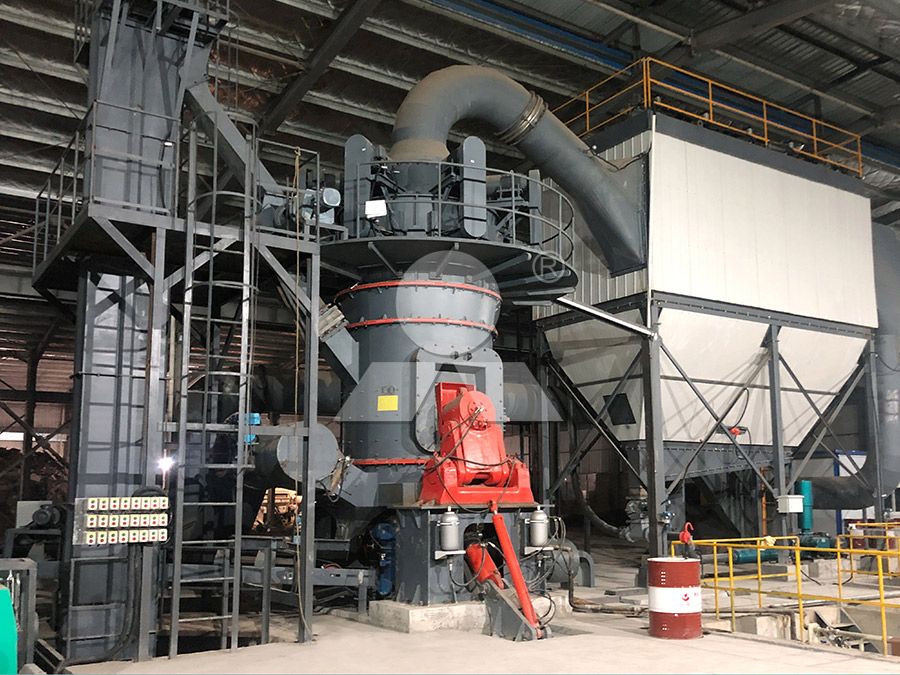
- High-Capacity/Advanced (Approx. $400,000 – $1,000,000+): For large-scale industrial operations, vertical grinding mills like the LM Vertical Slag Mill or LUM Ultrafine Vertical Grinding Mill fall into this category. The LM Vertical Slag Mill is a specialized equipment for grinding industrial waste into powder, integrating drying, grinding, powder selection, and conveying. It significantly reduces energy consumption by 30%-40% compared to traditional ball mill systems and is ideal for high-volume slag processing with capacities from 7-100 t/h.
Beyond the Purchase Price: The Total Cost of Ownership (TCO)
A savvy buyer always considers the TCO. A lower-priced machine with high energy consumption and frequent maintenance needs can become more expensive over time. Key TCO factors include:
- Energy Consumption: Modern mills like the MW Series are designed for higher yield with lower energy consumption, which can be 30-50% less than older technologies.
- Wear Part Durability: The cost and frequency of replacing grinding rollers and rings impact long-term expenses. Machines with wear-resistant alloys and smart designs (like the MW’s “No Rolling Bearing & Screw in Grinding Chamber”) minimize downtime and maintenance costs.
- Operational Labor: Automated, easy-to-operate systems reduce labor requirements.

Conclusion: Making an Informed Investment
Ultimately, the cost of a molten salt slag grinding machine is an investment in your production efficiency and product quality. While prices can start from around $50,000, a robust, efficient solution for serious industrial application often falls in the $200,000 to $500,000 range. The key is to match the machine’s capabilities—its capacity, fineness, and technological features—precisely to your project’s needs. Requesting detailed quotations from reputable manufacturers that outline both the initial investment and projected operational costs is the best path forward.
Frequently Asked Questions (FAQ)
What is the typical capacity range for a slag grinding mill?
Capacity varies widely. Smaller units may start at 0.5-3 tph, while large industrial vertical mills can handle over 100 tph. Our MW Ultrafine Grinding Mill, for example, offers a versatile range of 0.5 to 25 tph.
Can the same mill grind materials other than slag?
Yes, many mills are versatile. The MW Series is also suitable for limestone, calcite, dolomite, gypsum, and other non-metallic minerals, making it a flexible asset for various grinding applications.
How important is after-sales service when selecting a manufacturer?
Extremely important. Reliable technical support and a guaranteed supply of original spare parts are crucial for minimizing operational disruptions and ensuring the longevity of your investment.
What is the lead time for delivery and installation?
Lead times depend on the machine’s complexity and customization but generally range from 2 to 6 months after order confirmation, including manufacturing, shipping, and installation planning.