
Vertical Roller Mill for Slag Grinding: Cost Efficiency and Process Benefits
We provide a wide range of mills — including Raymond mill, trapezoidal mill, vertical mill, ultrafine mill, and ball mill, obtained ISO9001 international quality certification, EU CE certification, and Customs Union CU-TR certification. Suitable for processing minerals such as limestone, phosphate, quicklime, kaolin, talc, barite, bentonite, calcium carbonate, dolomite, coal, gypsum, clay, carbon black, slag, cement raw materials, cement clinker, and more.
The discharge range of these mills can be adjusted to meet specific processing needs, typically from 80-400 mesh, 600-3250 mesh, and can achieve the finest particle size of up to 6000 mesh(D50).
If you are looking for a reliable grinding solution to turn stone or minerals into fine powder, please feel free to contact our online customer service.
Vertical Roller Mill for Slag Grinding: Cost Efficiency and Process Benefits
In the realm of industrial milling, the efficient processing of slag—a by-product of steel production—presents unique challenges and opportunities. Vertical Roller Mills (VRMs) have emerged as the preferred technology for this application, offering significant advantages over traditional ball mills in terms of energy consumption, operational costs, and final product quality. This article explores the core benefits of utilizing VRMs for slag grinding and highlights specific solutions tailored for this demanding task.
Superior Energy Efficiency and Reduced Operating Costs
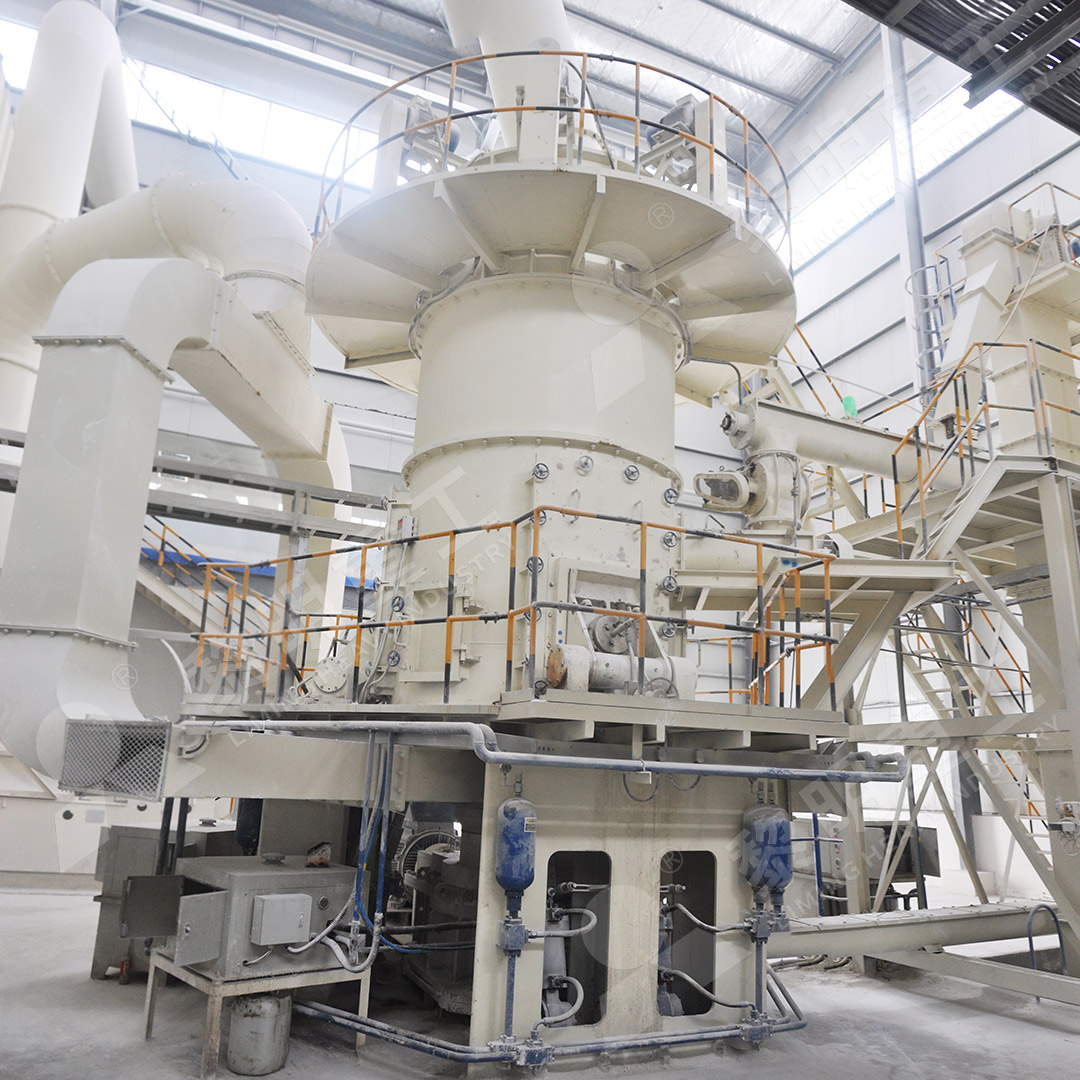
The most compelling argument for adopting VRM technology is its remarkable energy efficiency. Compared to conventional ball mills, a VRM can reduce specific energy consumption by 30% to 40%. This is achieved through its fundamental operating principle: the material is ground between a rotating table and rollers, a more direct and efficient method than the tumbling action inside a ball mill. The integrated drying capability is another critical factor. Slag often contains residual moisture, and the VRM’s ability to simultaneously dry and grind with hot gases from a separate furnace eliminates the need for a pre-drying step, further streamlining the process and cutting energy costs.
Enhanced Product Quality and Process Stability
VRMs provide exceptional control over the grinding process, resulting in a superior final product. The particle size distribution of the ground slag is narrower and more uniform, which is highly desirable for its use as a supplementary cementitious material (SCM) in concrete. This uniformity enhances the pozzolanic reactivity and improves the strength and durability of the final concrete product. Furthermore, the short material retention time within the mill minimizes over-grinding and reduces the iron content introduced from mechanical wear, ensuring a cleaner, higher-quality slag powder.
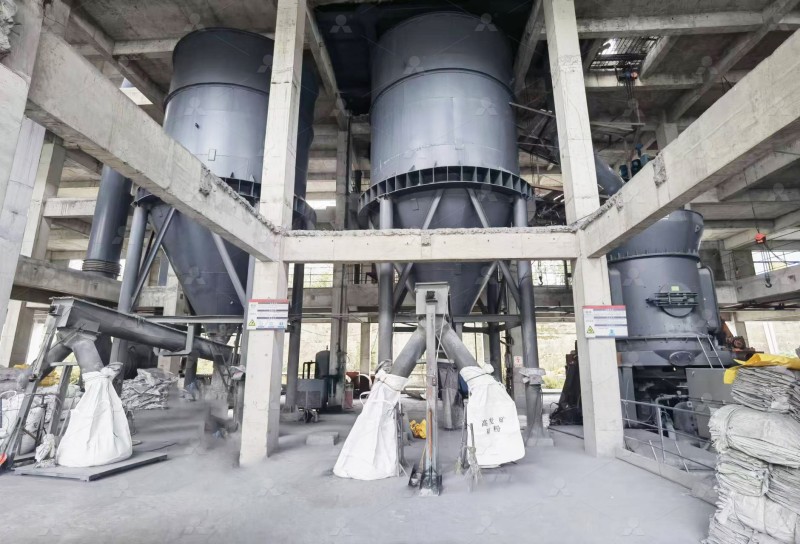
For operations requiring ultra-fine slag powder with exceptional fineness and purity, our LUM Ultrafine Vertical Grinding Mill is an ideal solution. Independently designed with advanced grinding roller and powder separating technology, it integrates ultrafine powder grinding, grading, and transporting into a single, highly efficient unit. Its unique roller shell and lining plate grinding curve are easier to generate a stable material layer, enabling a high rate of finished product in a single pass. The multi-head powder separating technology, controlled by a PLC system, allows for precise control over fineness, significantly reducing energy consumption by 30%-50% compared to common mills.
Robust Design for Demanding Applications
Grinding slag is an abrasive process that demands durability. Modern VRMs are engineered with this in mind. Key wear parts, such as grinding rollers and tables, are constructed from high-chromium cast iron or similar wear-resistant alloys, offering extended service life and reducing the frequency and cost of maintenance. Features like double position-limiting technology prevent destructive contact between the roller and table during unexpected vibration, ensuring operational stability and protecting the mill’s core components.
Environmental and Space-Saving Advantages
The environmental footprint of a VRM is considerably smaller than that of a ball mill system. The entire grinding system operates under negative pressure, preventing dust emissions and ensuring a clean working environment. Additionally, the compact, vertical design of a VRM requires up to 50% less floor space than a comparable ball mill installation. This allows for more flexible plant layout and can lead to substantial savings in civil construction costs.
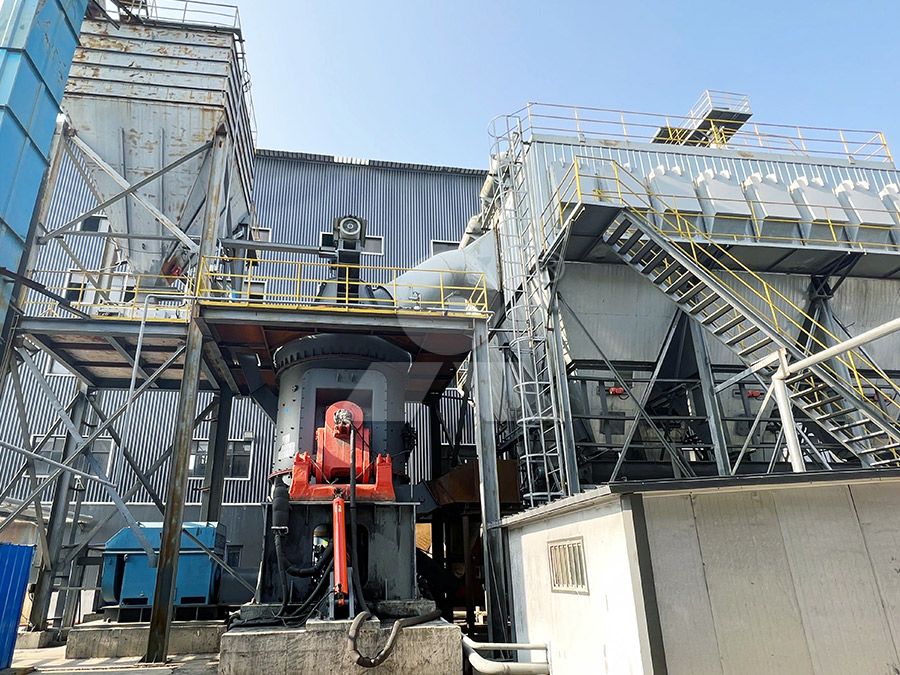
For large-scale slag grinding projects where high capacity and reliability are paramount, we recommend our LM Vertical Slag Mill. This mill is specifically designed for industrial waste like slag, integrating drying, grinding, powder selection, and conveying. It reduces energy consumption by 30%-40% compared to ball milling systems and occupies about half the space. Its robust construction and efficient grinding principle ensure stable production of high-quality slag powder suitable for cement and concrete applications.
Frequently Asked Questions (FAQ)
What is the typical fineness range achievable for slag with a VRM?
VRMs are highly versatile and can produce slag powder with Blaine fineness values typically ranging from 400 to 600 m²/kg, which is standard for cement replacement applications. With advanced models like the LUM series, fineness can be adjusted even more precisely to meet specific customer requirements.
How does the maintenance cost of a VRM compare to a ball mill for slag grinding?
While the initial wear part cost for a VRM might be higher, the overall maintenance cost is often lower. The maintenance intervals are longer, and the design of mills like the LM Vertical Slag Mill often includes features like reversible rollers and hydraulic systems that make inspection and part replacement easier and faster, reducing downtime.
Can a VRM handle variations in slag moisture content?
Yes, one of the key strengths of a Vertical Roller Mill is its ability to dry materials during the grinding process. By introducing hot gases into the mill, it can effectively handle slag with varying moisture levels, making it a robust solution for consistent operation despite fluctuations in feed material conditions.