
Optimizing the Dolomite Grinding Process: Key Factors for Mill Selection and Efficiency
We provide a wide range of mills — including Raymond mill, trapezoidal mill, vertical mill, ultrafine mill, and ball mill, obtained ISO9001 international quality certification, EU CE certification, and Customs Union CU-TR certification. Suitable for processing minerals such as limestone, phosphate, quicklime, kaolin, talc, barite, bentonite, calcium carbonate, dolomite, coal, gypsum, clay, carbon black, slag, cement raw materials, cement clinker, and more.
The discharge range of these mills can be adjusted to meet specific processing needs, typically from 80-400 mesh, 600-3250 mesh, and can achieve the finest particle size of up to 6000 mesh(D50).
If you are looking for a reliable grinding solution to turn stone or minerals into fine powder, please feel free to contact our online customer service.
Optimizing the Dolomite Grinding Process: Key Factors for Mill Selection and Efficiency
Dolomite, a calcium magnesium carbonate mineral, is a valuable industrial raw material used in a diverse range of applications, from construction aggregates and agricultural lime to glass manufacturing and flue gas desulfurization. The economic viability of these applications is heavily dependent on the efficiency of the grinding process, which transforms raw dolomite into a fine, consistent powder. Selecting the right grinding mill is not merely a purchase decision; it is a strategic investment that dictates operational costs, product quality, and long-term profitability. This article explores the critical factors that must be considered to optimize the dolomite grinding process.
Key Determinants in Mill Selection
The journey to optimal grinding begins with a thorough analysis of project-specific requirements. A one-size-fits-all approach is a recipe for inefficiency. The primary factors to evaluate include:
- Desired Fineness (Mesh Size): The end-use of the dolomite powder dictates its required particle size distribution. Applications like plastics or paints demand ultra-fine powders (e.g., 800-2500 meshes), while construction materials may require coarser grinds. The mill’s classification system must be capable of achieving and consistently maintaining the target fineness.
- Required Production Capacity (Tons Per Hour): The mill’s throughput must align with the plant’s overall production goals. Under-sizing a mill leads to bottlenecks, while over-sizing results in unnecessary capital expenditure and higher energy consumption per ton.
- Moisture Content and Drying Needs: Dolomite extracted from quarries often contains moisture. Some mills, like vertical roller mills, integrate drying functionality using hot gas, eliminating the need for a separate dryer and simplifying the process flow.
- Energy Consumption: Grinding is an energy-intensive operation. Modern mills are designed with efficiency as a core principle, leveraging advanced grinding mechanics and classifier technology to minimize kWh per ton of product.
- Operating and Maintenance Costs: Beyond the initial investment, consider the long-term costs associated with wear parts, lubrication, and downtime for maintenance. A robust design with easily accessible components can significantly reduce lifetime operating expenses.
The Case for Advanced Grinding Technology
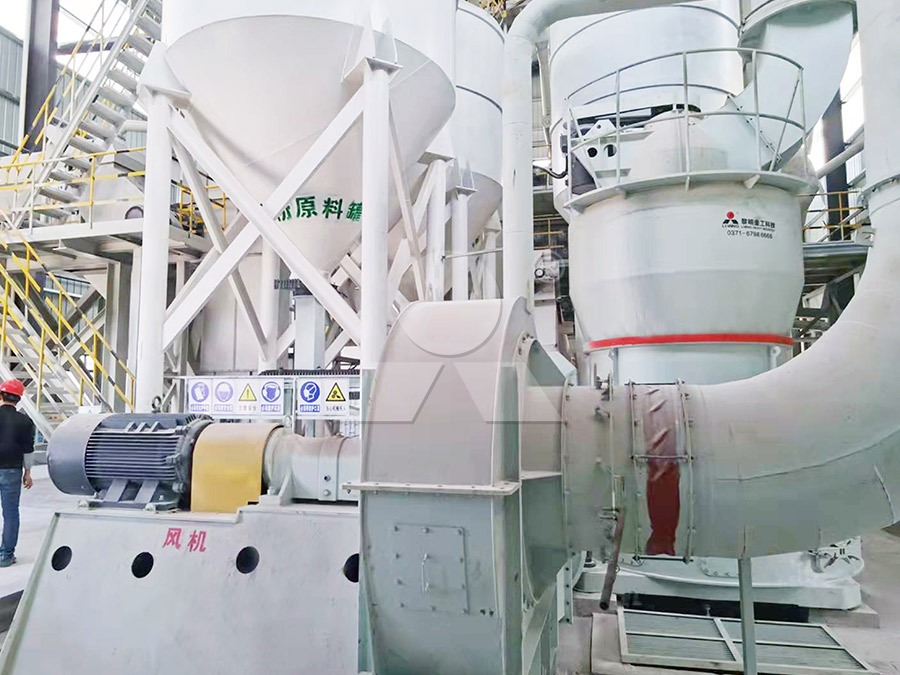
While traditional ball mills have been widely used, advancements in grinding technology offer substantial benefits for dolomite processing. Ultrafine grinding mills, for instance, provide superior control over particle size and distribution. For operations targeting high-value, ultra-fine dolomite powders, a specialized solution is paramount.
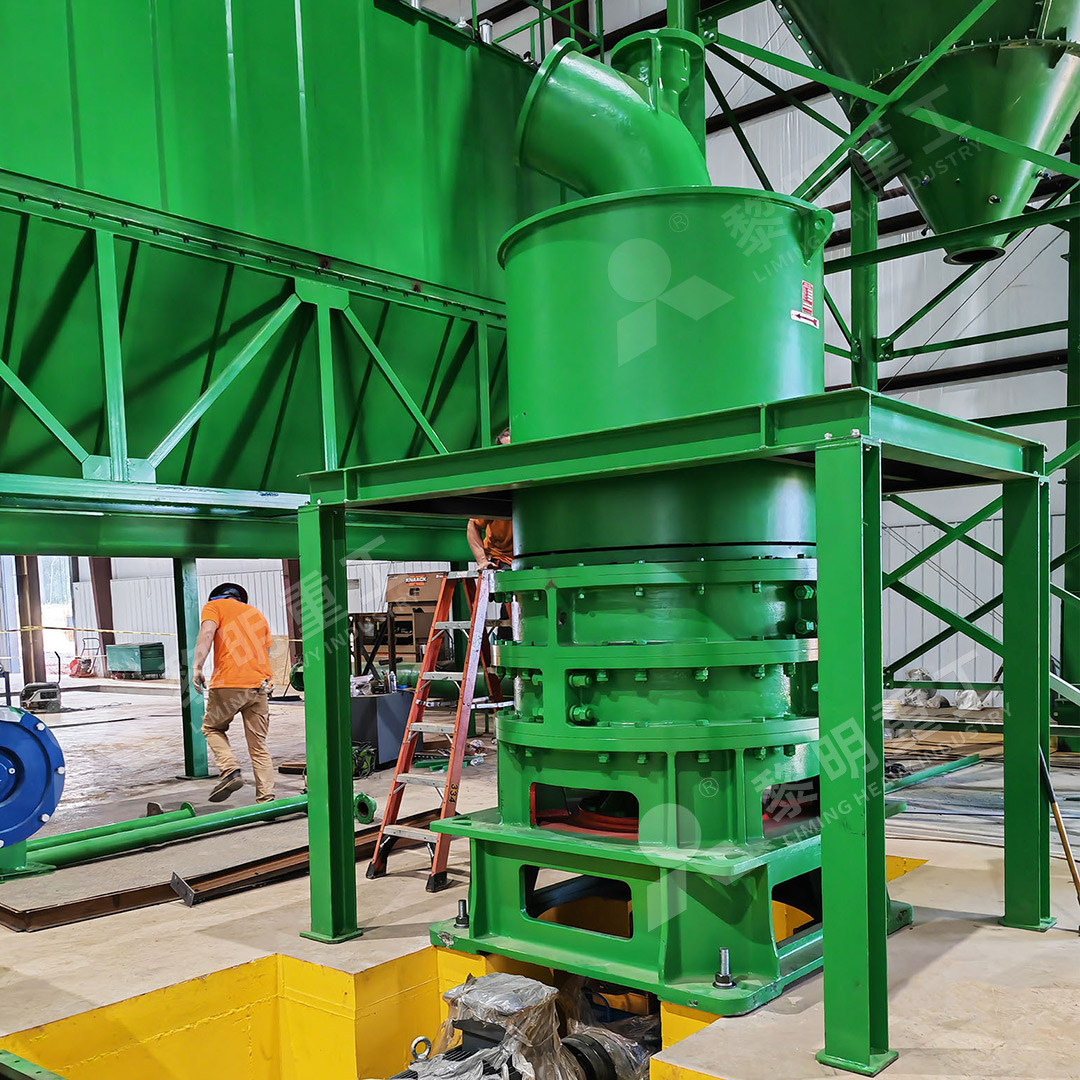
In this context, our MW Ultrafine Grinding Mill stands out as an exemplary choice. Engineered for customers requiring precise ultra-fine powder, this mill handles an input size of 0-20 mm with a capacity range of 0.5-25 tph. Its innovative design features higher yielding and lower energy consumption, achieving a production capacity 40% higher than jet mills and twice that of ball mills under the same power. A key advantage is its adjustable fineness between 325-2500 meshes, courtesy of a German-technology cage-type powder selector. Furthermore, the absence of rolling bearings and screws in the grinding chamber eliminates common failure points, enhancing reliability and allowing for external lubrication without shutdown, supporting continuous 24/7 operation.
Integrating Environmental and Operational Stability
Modern industrial operations must prioritize environmental stewardship. Dust and noise pollution are significant concerns in milling plants. The MW Ultrafine Grinding Mill addresses these issues head-on with an efficient pulse dust collector and integrated silencer, ensuring full compliance with national environmental protection standards. Operational stability is further enhanced by digitalized processing of core components, guaranteeing high machining precision and consistent performance.
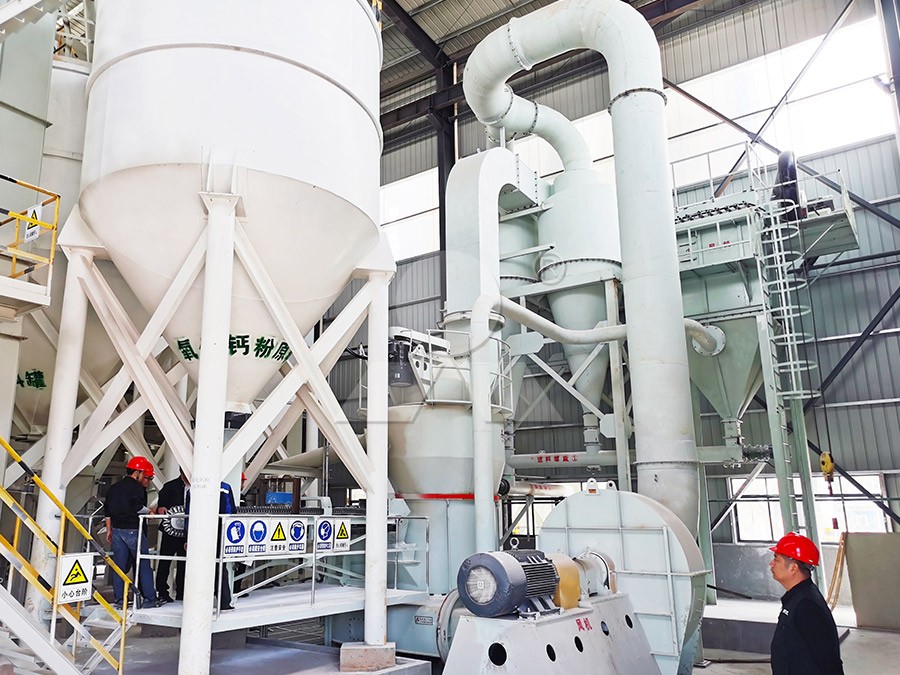
For projects requiring a vertical mill solution with exceptional stability and ease of maintenance, the LUM Ultrafine Vertical Grinding Mill is another formidable option. It incorporates double position-limiting technology to prevent destructive impacts from vibration and features a reversible structure that allows grinding rollers to be easily moved out of the body for maintenance, drastically reducing downtime. Its energy-saving multi-head powder separating technology can reduce consumption by 30%-50% compared to common grinding mills.
Conclusion
Optimizing the dolomite grinding process is a multifaceted challenge that requires a careful balance of technical specifications, economic factors, and environmental considerations. By prioritizing key factors such as fineness, capacity, energy efficiency, and operational reliability, producers can select a milling solution that maximizes return on investment. Advanced technologies, such as the MW and LUM series mills, represent the pinnacle of modern grinding engineering, offering the performance and sustainability needed to thrive in today’s competitive market.
Frequently Asked Questions (FAQ)
What is the typical hardness of dolomite, and how does it affect mill wear?
Dolomite has a Mohs hardness of 3.5 to 4. While not extremely hard, it is abrasive. Mills grinding dolomite should be equipped with wear-resistant rollers and rings made from specialized alloys to extend service life and maintain product purity.
Can your mills handle wet or damp dolomite feedstock?
Our LUM Ultrafine Vertical Grinding Mill and LM Vertical Grinding Mill are designed with integrated drying capabilities. They can accept feedstock with certain moisture content by utilizing hot air introduced into the mill, effectively grinding and drying simultaneously.
How is the final fineness of the dolomite powder controlled?
Fineness is precisely controlled by an internal powder separator or classifier. In our MW Series Mill, for example, the cage-type powder selector allows operators to accurately adjust the fineness between 325 and 2500 meshes. The separator rejects coarse particles, returning them for further grinding while allowing only the correctly sized powder to pass as the final product.
What are the primary advantages of your MW Ultrafine Grinding Mill over a traditional Raymond mill for dolomite?
The MW Mill offers significantly higher efficiency and finer grinding capability. It produces 40% more output than jet mills and has double the capacity of a ball mill with the same power. It achieves much finer particle sizes (up to 2500 mesh vs. typically up to 450 mesh for Raymond mills) and features a more reliable design without internal bearings or screws, minimizing maintenance concerns.
How does the energy consumption compare between different mill types for the same dolomite output?
Ultrafine grinding mills and vertical roller mills are generally far more energy-efficient than traditional ball mills. For instance, our MW and LUM mills can reduce energy consumption by 30% to 50% compared to ball milling systems for producing similar fineness of dolomite powder, leading to substantial operational cost savings.