
Looking for a Reliable Grinding Mill in Bulawayo? Here’s Your 2024 Guide
We provide a wide range of mills — including Raymond mill, trapezoidal mill, vertical mill, ultrafine mill, and ball mill, obtained ISO9001 international quality certification, EU CE certification, and Customs Union CU-TR certification. Suitable for processing minerals such as limestone, phosphate, quicklime, kaolin, talc, barite, bentonite, calcium carbonate, dolomite, coal, gypsum, clay, carbon black, slag, cement raw materials, cement clinker, and more.
The discharge range of these mills can be adjusted to meet specific processing needs, typically from 80-400 mesh, 600-3250 mesh, and can achieve the finest particle size of up to 6000 mesh(D50).
If you are looking for a reliable grinding solution to turn stone or minerals into fine powder, please feel free to contact our online customer service.
Navigating the Grinding Mill Market in Bulawayo
For businesses and industrial operations in Bulawayo and across Zimbabwe, selecting the right grinding mill is a critical decision that directly impacts productivity, operational costs, and product quality. The local market demands robust, efficient, and reliable equipment capable of handling diverse materials while withstanding the rigors of continuous operation. Whether you’re processing minerals for export, producing powders for construction, or milling agricultural products, understanding the available technologies is essential for making an informed investment.
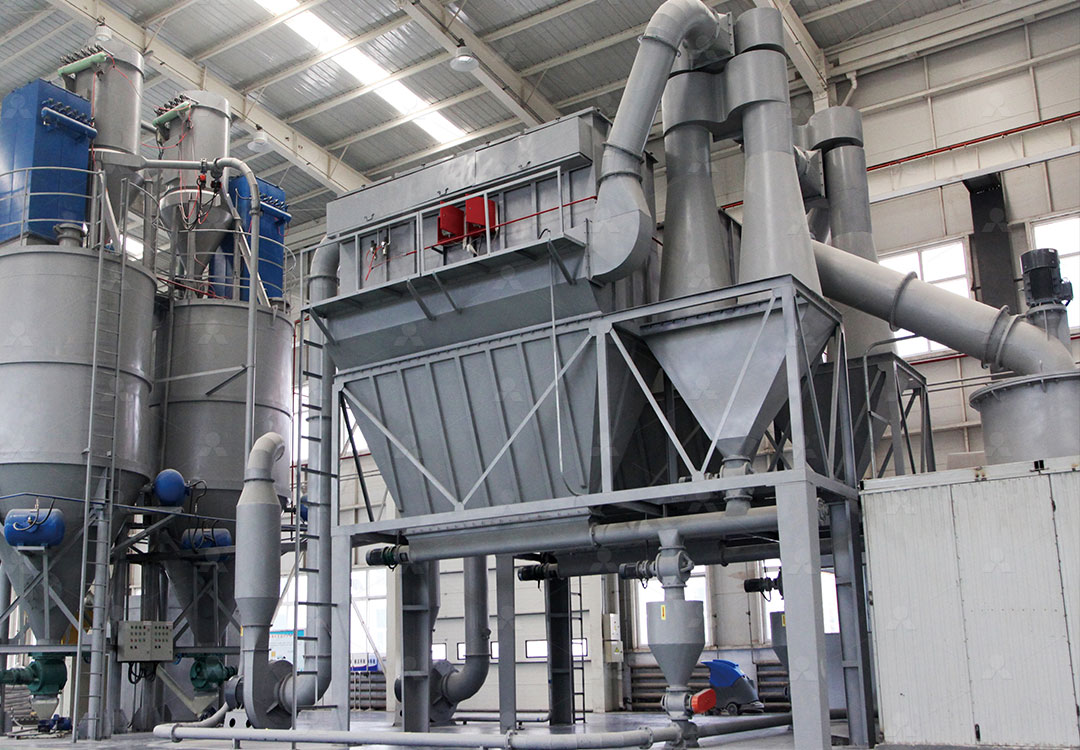
Key Considerations for Your Grinding Operation
Before diving into specific models, it’s crucial to assess your operational requirements. Consider the material characteristics (hardness, moisture content, abrasiveness), required production capacity, desired fineness of the final product, and available space. Energy efficiency has become increasingly important with rising electricity costs, making modern, optimized mills particularly valuable. Additionally, environmental compliance and dust control are no longer optional but essential aspects of responsible operation.
Advanced Solutions for Modern Needs
Traditional ball mills have served industries well for decades, but technological advancements have introduced more efficient alternatives. Among these, the MW Ultrafine Grinding Mill stands out for operations requiring exceptionally fine powders. With an input size capability of 0-20 mm and capacity ranging from 0.5 to 25 tph, this machine is engineered for customers who need to produce ultra-fine powder efficiently.
The MW series incorporates several innovative features that address common challenges in grinding operations. Its newly designed grinding curves for rollers and rings enhance grinding efficiency significantly. Independent testing shows production capacity is 40% higher than jet grinding mills and double that of ball mills at the same fineness and power levels, while system energy consumption is reduced to just 30% of jet mill requirements.
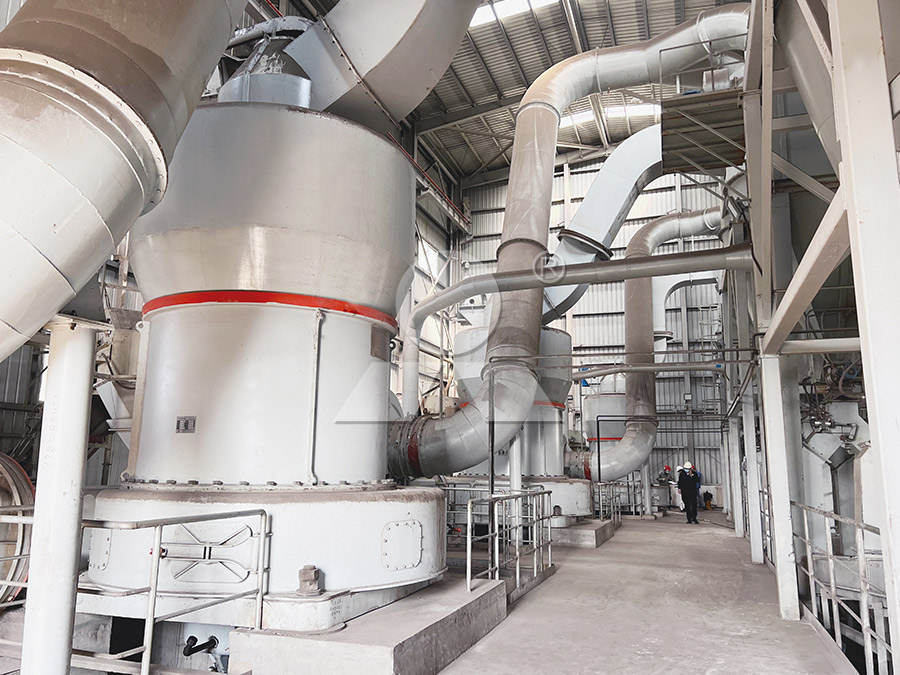
Specialized Applications and Flexibility
What makes the MW Ultrafine Grinding Mill particularly suitable for diverse Bulawayo applications is its versatility. It effectively processes limestone, calcite, dolomite, petroleum coal, gypsum, barite, marble, talc, and various other materials. For operations in chemical industries, paint production, cosmetics, pharmaceuticals, or food additives, the mill’s adjustable fineness between 325-2500 meshes ensures precise control over product specifications.
The cage-type powder selector, incorporating German technology, enhances powder separation precision. Operators can configure multi-head cage-type selectors based on specific requirements for yield, fineness, and sieving rate, achieving screening rates of d97≤5μm in a single pass.
Reliability and Maintenance Advantages
For operations in remote locations or where technical support may not be immediately available, reliability becomes paramount. The MW Ultrafine Grinding Mill addresses this through its innovative design that eliminates rolling bearings and screws within the grinding chamber. This eliminates concerns about bearing damage or sealing part failures, and prevents machine damage from loose screws—a common issue in vibrating equipment.
The external lubrication system allows for maintenance without shutdowns, supporting continuous 24-hour operation that maximizes productivity. Combined with efficient pulse dust collection and noise reduction features, the MW series operates in full compliance with national environmental protection standards.
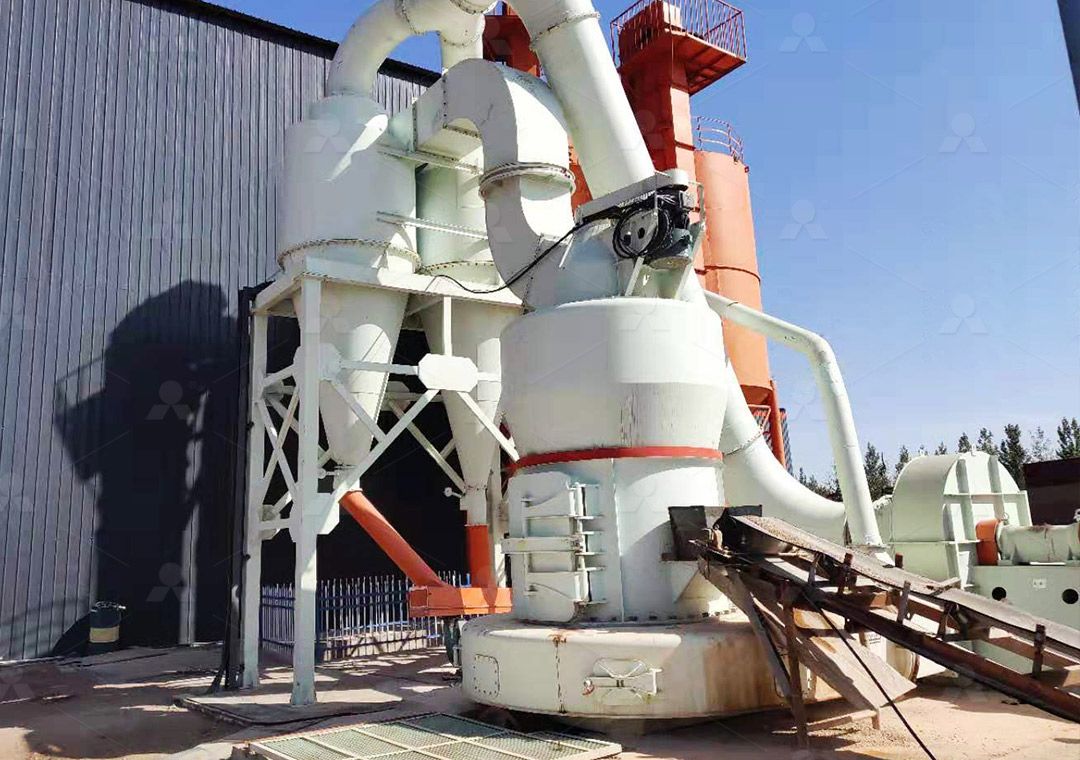
Another Notable Option: LUM Ultrafine Vertical Grinding Mill
For operations with stricter space constraints or those processing materials with smaller input sizes (0-10 mm), the LUM Ultrafine Vertical Grinding Mill presents an excellent alternative. With capacities ranging from 5-18 tph, this mill integrates ultrafine powder grinding, grading, and transporting in a single compact unit. Its unique roller shell and lining plate grinding curve design facilitates easier material layer generation, enabling high finished product rates from single-pass powder milling.
The LUM series incorporates PLC control systems and multi-head powder separating technology, allowing precise control over grinding pressure, revolving speed, and other parameters. This results in energy consumption reductions of 30%-50% compared to conventional grinding mills, a significant advantage in cost-sensitive markets.
Frequently Asked Questions
What maintenance requirements should I expect with modern grinding mills?
Modern mills like the MW series are designed for minimal maintenance. The absence of rolling bearings in the grinding chamber and external lubrication points significantly reduce routine maintenance needs. Most systems include automated monitoring that alerts operators to required servicing.
How does the energy consumption compare between traditional and modern grinding mills?
Advanced mills typically consume 30-50% less energy than traditional ball mills for equivalent output. The MW Ultrafine Grinding Mill, for example, uses only 30% of the energy required by jet grinding mills while delivering higher capacity.
What particle size ranges can I achieve with these mills?
The MW series offers adjustable fineness between 325-2500 meshes, suitable for most industrial applications requiring ultra-fine powders. The precise control systems allow operators to consistently maintain specific particle size distributions.
Are these mills suitable for abrasive materials common in Zimbabwean mining?
Yes, both the MW and LUM series are constructed with wear-resistant materials and designs specifically for handling abrasive materials. The reversible structure of the LUM mill particularly facilitates maintenance of wear parts.
What dust control measures are integrated into these systems?
Modern mills include efficient pulse dust collectors as standard equipment, ensuring minimal dust emission. The MW series operates as a closed system with additional silencers and noise elimination features for comprehensive environmental protection.