
Noise Reduction Strategies for Coal Mill Systems in 1000 TPD Power Plants
We provide a wide range of mills — including Raymond mill, trapezoidal mill, vertical mill, ultrafine mill, and ball mill, obtained ISO9001 international quality certification, EU CE certification, and Customs Union CU-TR certification. Suitable for processing minerals such as limestone, phosphate, quicklime, kaolin, talc, barite, bentonite, calcium carbonate, dolomite, coal, gypsum, clay, carbon black, slag, cement raw materials, cement clinker, and more.
The discharge range of these mills can be adjusted to meet specific processing needs, typically from 80-400 mesh, 600-3250 mesh, and can achieve the finest particle size of up to 6000 mesh(D50).
If you are looking for a reliable grinding solution to turn stone or minerals into fine powder, please feel free to contact our online customer service.
Noise Reduction Strategies for Coal Mill Systems in 1000 TPD Power Plants
Operating a 1000 Tonnes Per Day (TPD) power plant presents significant challenges in managing industrial noise, particularly from critical components like coal mill systems. Excessive noise not only violates environmental regulations but also impacts worker safety, equipment longevity, and community relations. Effective noise control requires a multi-faceted approach combining equipment selection, engineering controls, and operational best practices.
Understanding Coal Mill Noise Sources
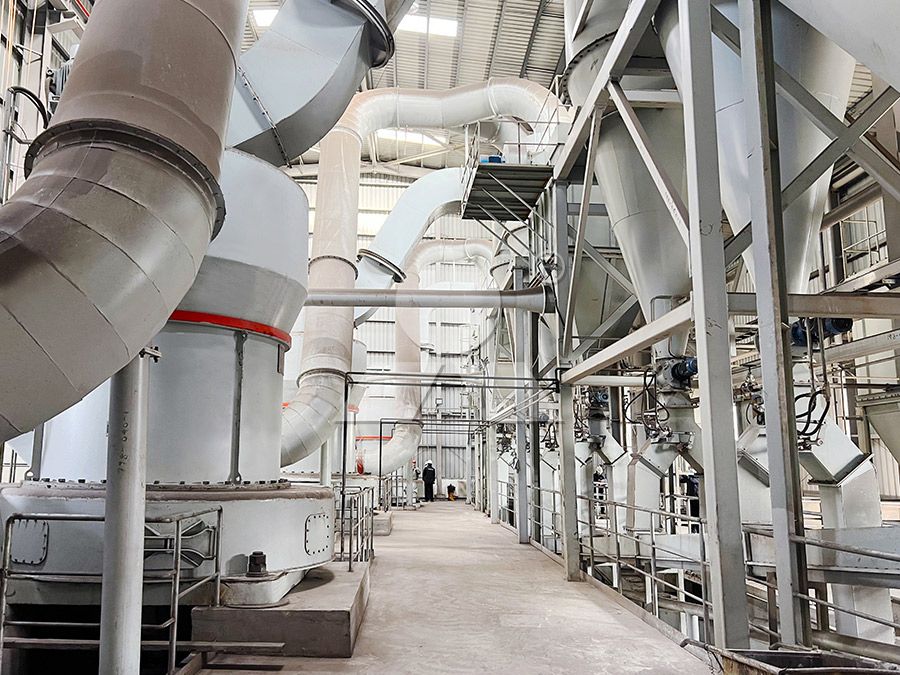
Coal mill noise originates from several mechanisms: mechanical vibration from grinding components, aerodynamic noise from high-speed air flows and fans, and impact noise from raw coal and grinding media. In a 1000 TPD facility, where mills operate continuously, these sources combine to create significant acoustic energy, often exceeding 90 dB(A) without mitigation.
Strategic Equipment Selection for Noise Control
The foundation of an effective noise reduction strategy begins with selecting inherently quieter milling technology. Modern vertical grinding mills offer substantial acoustic advantages over traditional ball mills due to their enclosed design and reduced mechanical impacts.
For power plants seeking superior noise performance alongside high grinding efficiency, our MW Ultrafine Grinding Mill presents an optimal solution. Engineered with noise reduction as a core design principle, this mill features an integrated muffler system and efficient pulse dust collector that significantly lower operational noise levels. With an input size of 0-20 mm and capacity ranging from 0.5-25 tph, it’s ideally suited for 1000 TPD operations requiring consistent, quiet performance. The machine’s innovative design eliminates rolling bearings and screws in the grinding chamber, reducing potential noise-generating components.
Engineering Controls and Isolation Techniques
Beyond equipment selection, implementing proper engineering controls is essential. Acoustic enclosures around mill components, vibration isolation mounts, and sound-absorbing materials on walls and ceilings can reduce noise transmission by 15-25 dB. For coal mills, special attention should be paid to isolating the motor, reducer, and classifier sections, which are primary noise contributors.
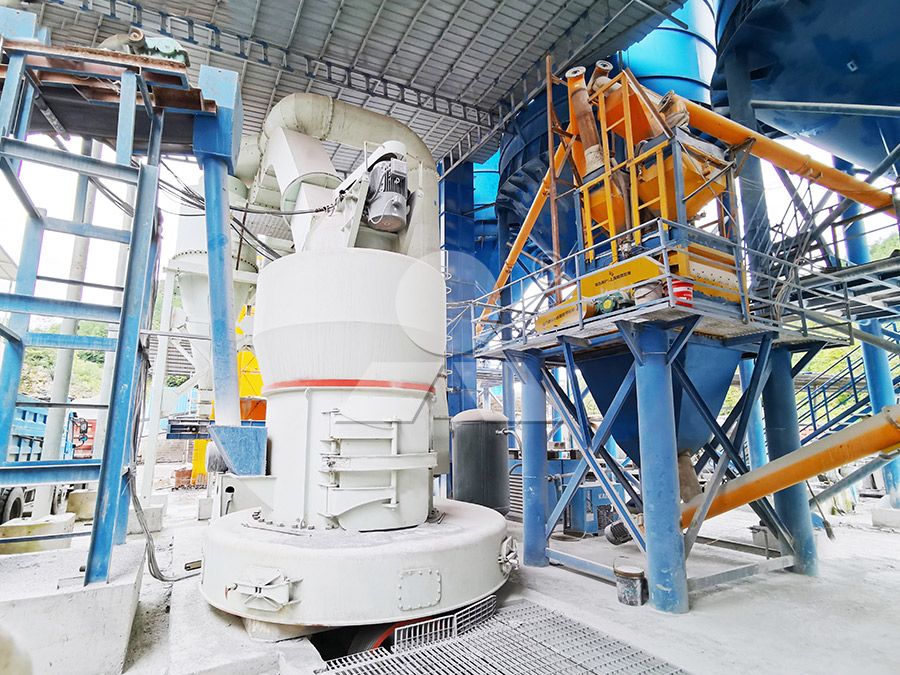
Another effective approach involves optimizing system airflow to minimize aerodynamic noise. This includes proper ductwork design with smooth bends, variable frequency drives on fans to reduce speeds during lower capacity requirements, and acoustic louvers on ventilation systems. Regular maintenance of wearing parts also prevents noise increases from component degradation.
Operational Best Practices
Operational adjustments can further enhance noise reduction without compromising throughput. Implementing optimal grinding parameters that balance fineness requirements with mill loading reduces unnecessary mechanical stress and associated noise. Scheduled inspections of grinding elements ensure even wear patterns, preventing imbalanced operation that generates excessive vibration and noise.
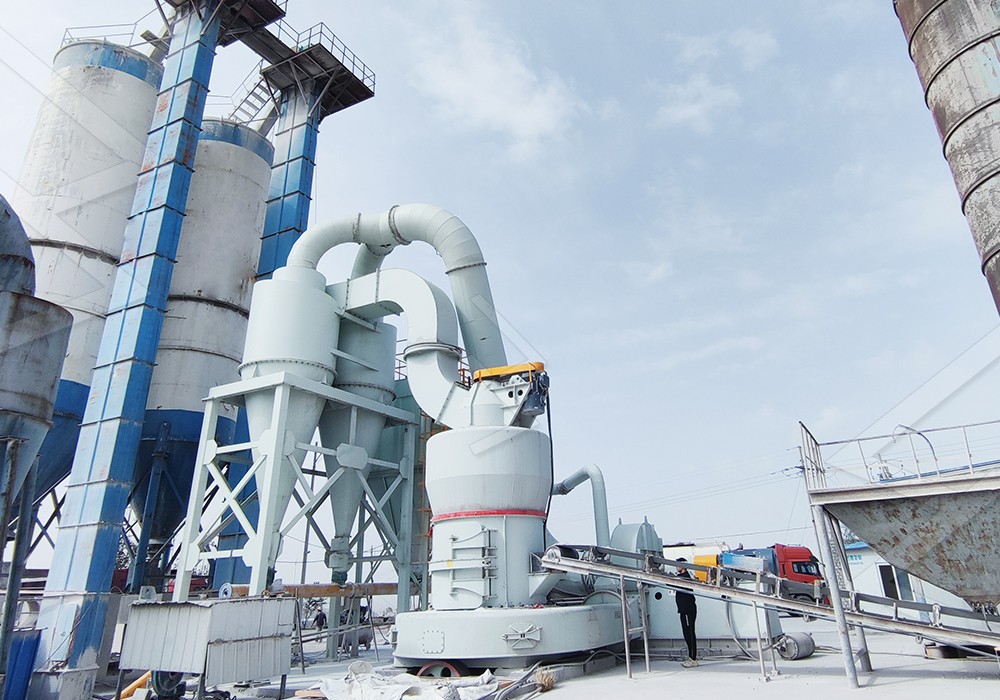
For facilities requiring even greater noise control, our LUM Ultrafine Vertical Grinding Mill offers advanced acoustic performance through its double position-limiting technology and reversible structure. This design maintains operational stability even under varying load conditions, preventing the noise spikes common during mill startups and load changes. The LUM mill’s capacity of 5-18 tph makes it suitable for secondary grinding applications or smaller 1000 TPD circuit configurations.
Compliance and Continuous Monitoring
Successful noise management requires ongoing monitoring and compliance verification. Installing permanent noise monitoring stations around mill buildings provides real-time data for operational adjustments. Regular acoustic audits help identify degradation in noise control measures before they become compliance issues. Documenting noise reduction efforts also demonstrates regulatory due diligence.
Frequently Asked Questions
What is the typical noise reduction achievable with modern coal mills?
Properly specified modern mills with integrated noise controls can achieve 10-15 dB(A) reduction compared to conventional designs, bringing operational levels to 75-85 dB(A) depending on specific configuration and ancillary equipment.
How does the MW Ultrafine Grinding Mill compare noise-wise to traditional ball mills?
The MW Mill typically operates 8-12 dB(A) quieter than equivalent capacity ball mills due to its enclosed grinding chamber, advanced muffler design, and absence of metal-to-metal impacts from grinding media.
Can existing coal mills be retrofitted for better noise performance?
Yes, retrofits including acoustic enclosures, vibration damping systems, and upgraded classifiers can reduce noise by 5-10 dB(A). However, new mill installations typically achieve better overall performance with integrated design approaches.
What maintenance practices help sustain noise reduction?
Regular inspection of wearing parts, proper lubrication, alignment checks, and prompt replacement of damaged components are essential. For our MW and LUM mills, the external lubrication system allows maintenance without shutdown, preserving both performance and noise characteristics.