
Key Wear-Resistant Materials Used in Medium-Speed Coal Mill Parts
We provide a wide range of mills — including Raymond mill, trapezoidal mill, vertical mill, ultrafine mill, and ball mill, obtained ISO9001 international quality certification, EU CE certification, and Customs Union CU-TR certification. Suitable for processing minerals such as limestone, phosphate, quicklime, kaolin, talc, barite, bentonite, calcium carbonate, dolomite, coal, gypsum, clay, carbon black, slag, cement raw materials, cement clinker, and more.
The discharge range of these mills can be adjusted to meet specific processing needs, typically from 80-400 mesh, 600-3250 mesh, and can achieve the finest particle size of up to 6000 mesh(D50).
If you are looking for a reliable grinding solution to turn stone or minerals into fine powder, please feel free to contact our online customer service.
Key Wear-Resistant Materials Used in Medium-Speed Coal Mill Parts
Medium-speed coal mills are critical components in power generation and industrial processing, where they pulverize raw coal into fine powder for efficient combustion. The relentless abrasive nature of coal and other minerals demands exceptional durability from the grinding components. The selection of appropriate wear-resistant materials directly impacts operational efficiency, maintenance frequency, and overall lifecycle cost.
The Battle Against Abrasion: Core Components Under Stress
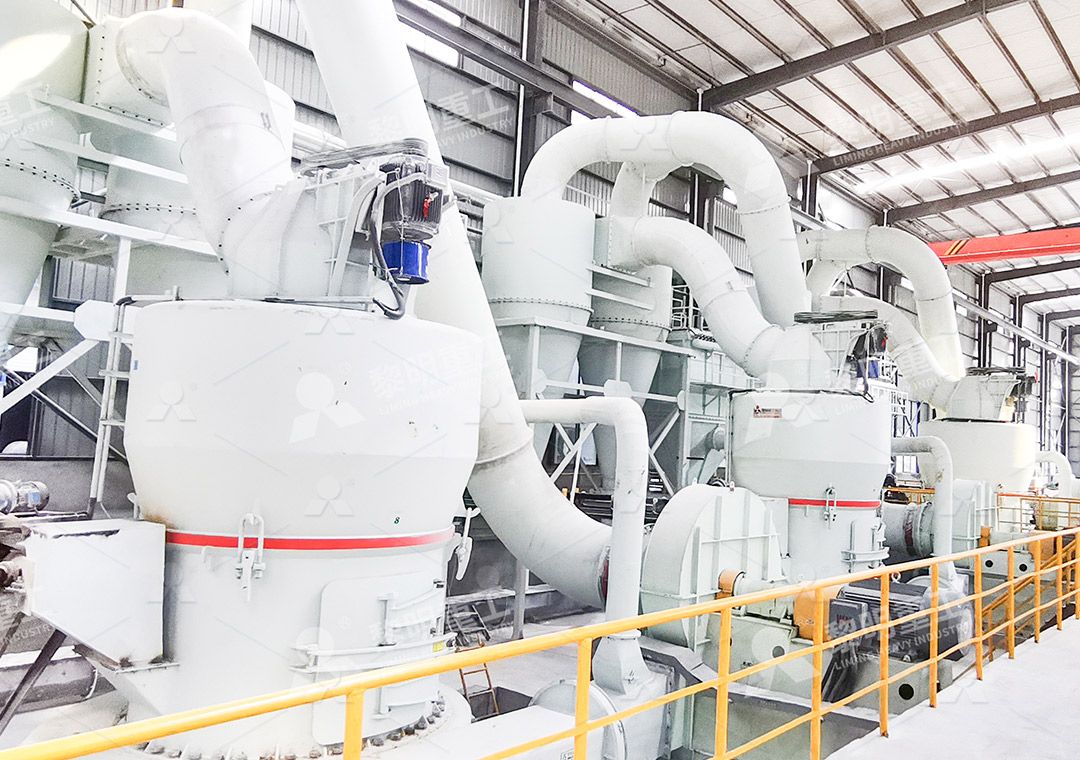
The primary wear zones within a medium-speed coal mill are the grinding rollers and the grinding table (or race). These components are subjected to extreme pressure and constant sliding friction against hard, abrasive coal particles. The material choice for these parts is not merely about hardness; it’s a complex balance between hardness, toughness, and resistance to impact fatigue. Excessively hard materials may become brittle and crack under cyclical loading, while materials that are too soft will wear away rapidly.
Modern alloys developed for this purpose often incorporate high percentages of chromium, which forms hard chromium carbides that provide excellent abrasion resistance. The microstructure is carefully controlled through heat treatment to ensure a tough matrix that can support these hard carbides, preventing them from being plucked out during operation. This synergy between hardness and toughness is the cornerstone of extended component life.
Beyond Basic Alloys: Advanced Manufacturing Techniques
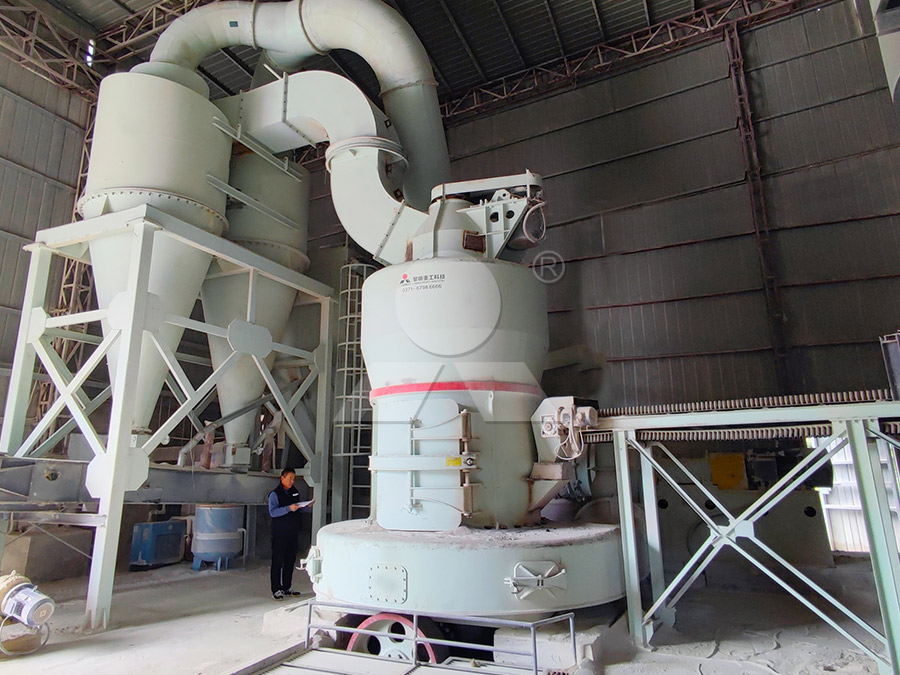
Material composition is only part of the equation. Advanced manufacturing and processing techniques significantly enhance performance. Techniques like centrifugal casting are employed to create grinding rollers with a fine, uniform, and directional grain structure, free from voids and impurities that could act as failure initiation points. Furthermore, the application of hardfacing or overlay welding on critical surfaces is a common practice. This process involves depositing a layer of extremely wear-resistant alloy onto a tougher base material, offering a cost-effective method to rebuild worn parts or enhance new ones.
Integration with Modern Mill Design for Optimal Performance
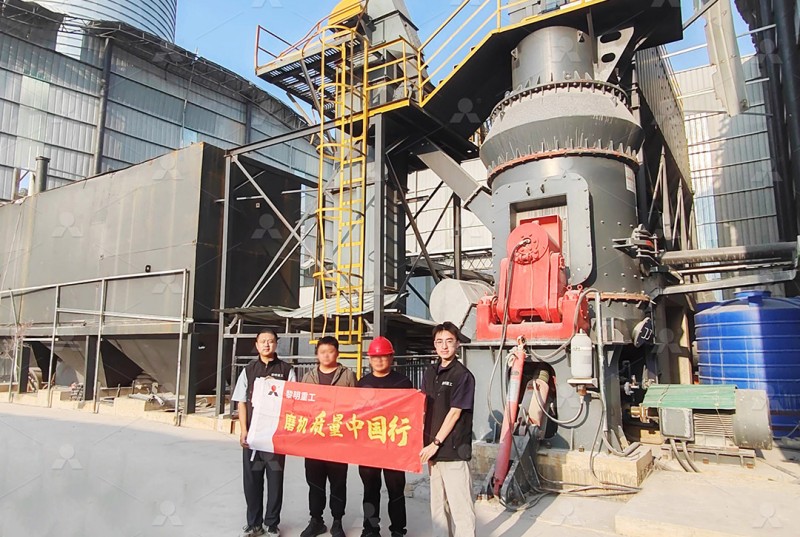
The effectiveness of wear-resistant materials is amplified when integrated into a well-designed grinding system. For instance, the LM Vertical Coal Mill exemplifies this synergy. Its design features a hydraulic system that allows for precise control of grinding pressure, ensuring optimal force is applied without over-stressing the rollers and table. This controlled environment allows the advanced wear-resistant materials to perform at their peak, significantly extending service intervals. The mill’s ability to integrate drying, grinding, and classifying in a single unit also reduces the number of components exposed to abrasive wear, streamlining maintenance.
Another excellent solution for fine powder processing, which demands similar material resilience, is the MW Ultrafine Grinding Mill. This machine is engineered for producing ultra-fine powders from materials like petroleum coal and gypsum. Its design eliminates rolling bearings and screws from the grinding chamber, a strategic move that removes common failure points. The grinding roller and ring are crafted from high-performance wear-resistant alloys, ensuring longevity even when processing abrasive materials to fineness levels between 325-2500 meshes. This focus on robust core components, combined with efficient pulse dust collection, makes it a reliable and low-maintenance option.
Conclusion
The relentless demand for efficiency in coal processing hinges on the durability of mill internals. The continuous advancement in metallurgy and manufacturing, producing superior wear-resistant alloys for grinding rollers and tables, is fundamental to achieving high availability and low operating costs. When these material innovations are paired with intelligent mill design, as seen in modern vertical mills, operators gain a significant advantage in productivity and operational stability.
Frequently Asked Questions (FAQ)
What are the most critical wear parts in a medium-speed coal mill?
The grinding rollers and the grinding table (or race) are the most critical wear parts. They are in direct and constant contact with the abrasive coal feedstock.
Why is high chromium content important for these materials?
High chromium content leads to the formation of hard chromium carbides within the metal’s microstructure. These carbives provide exceptional resistance to abrasion, which is the primary wear mechanism when grinding coal.
How does mill design affect the lifespan of wear parts?
An optimal mill design, such as one with precise grinding pressure control and stable material bedding, reduces impact and uneven loading. This controlled environment prevents premature failure and allows the wear-resistant materials to achieve their maximum potential service life.
What is hardfacing and when is it used?
Hardfacing is a welding process where a wear-resistant alloy is deposited onto the surface of a component. It is used either to rebuild worn parts during maintenance or to add an extra layer of protection to new parts in high-wear areas.