
How Much Does a Metal Crushing Mill Cost in Spain?
We provide a wide range of mills — including Raymond mill, trapezoidal mill, vertical mill, ultrafine mill, and ball mill, obtained ISO9001 international quality certification, EU CE certification, and Customs Union CU-TR certification. Suitable for processing minerals such as limestone, phosphate, quicklime, kaolin, talc, barite, bentonite, calcium carbonate, dolomite, coal, gypsum, clay, carbon black, slag, cement raw materials, cement clinker, and more.
The discharge range of these mills can be adjusted to meet specific processing needs, typically from 80-400 mesh, 600-3250 mesh, and can achieve the finest particle size of up to 6000 mesh(D50).
If you are looking for a reliable grinding solution to turn stone or minerals into fine powder, please feel free to contact our online customer service.
Navigating the Cost of Metal Crushing Mills in the Spanish Market
If you’re involved in mining, recycling, or industrial processing in Spain, one of the most critical equipment investments is a metal crushing mill. The question of cost, however, is not as straightforward as a single price tag. The final investment depends on a complex interplay of factors specific to your operation, from the type of metal you’re processing to your desired output fineness and capacity requirements.
Key Factors Influencing the Price
Understanding what you’re paying for is the first step. The cost of a crushing mill in Spain is shaped by several core elements:
- Mill Type and Technology: Are you looking for a traditional ball mill, a Raymond mill, or a more advanced vertical or ultrafine grinding system? The technological sophistication is a primary cost driver.
- Capacity and Output Size: A mill designed for 3 tons per hour (tph) will have a vastly different price than one built for 50 tph. Similarly, achieving a coarse powder versus an ultra-fine powder (measured in meshes or microns) requires different engineering, affecting the cost.
- Material Characteristics: The hardness, abrasiveness, and moisture content of the metal ore or scrap directly influence the mill’s required power, the durability of its wear parts, and the need for integrated drying systems.
- Environmental and Regulatory Compliance: Spanish and EU environmental standards are stringent. Mills equipped with advanced dust collectors (like pulse jet systems) and noise reduction technology will cost more but are essential for legal operation.
- After-Sales Support and Logistics: The proximity of the manufacturer’s European support network, the availability of original spare parts, and the cost of shipping and installation within Spain are significant but often overlooked parts of the total cost of ownership.
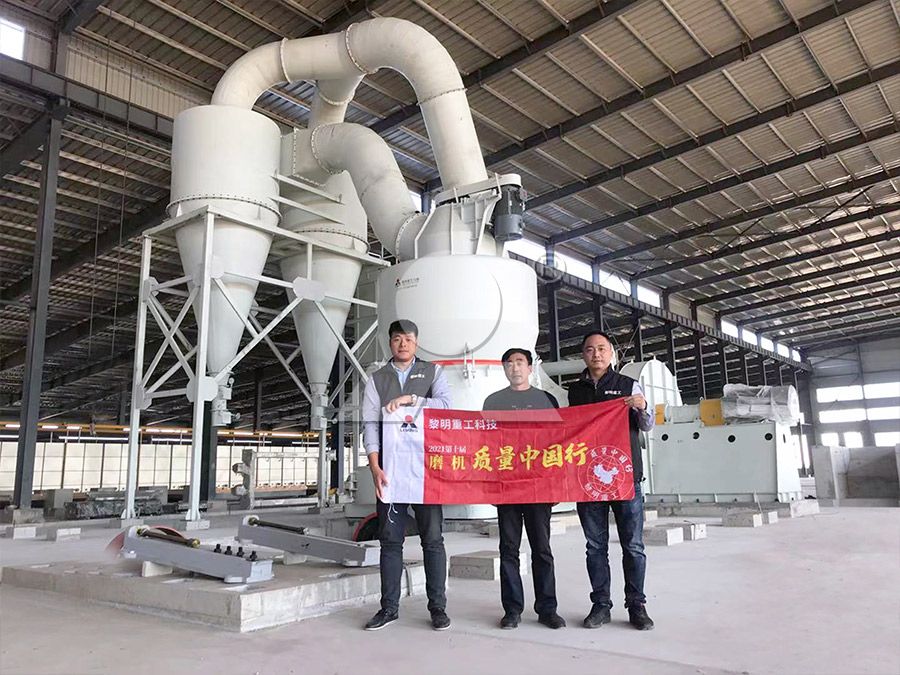
Beyond the Initial Purchase: Total Cost of Ownership
A savvy buyer looks beyond the initial invoice. The Total Cost of Ownership (TCO) includes energy consumption, maintenance downtime, and wear part replacement costs. A cheaper mill with higher energy demands and frequent breakdowns can quickly become more expensive than a higher-priced, energy-efficient, and reliable model.
A Smart Choice for High-Value, Fine Powder Production
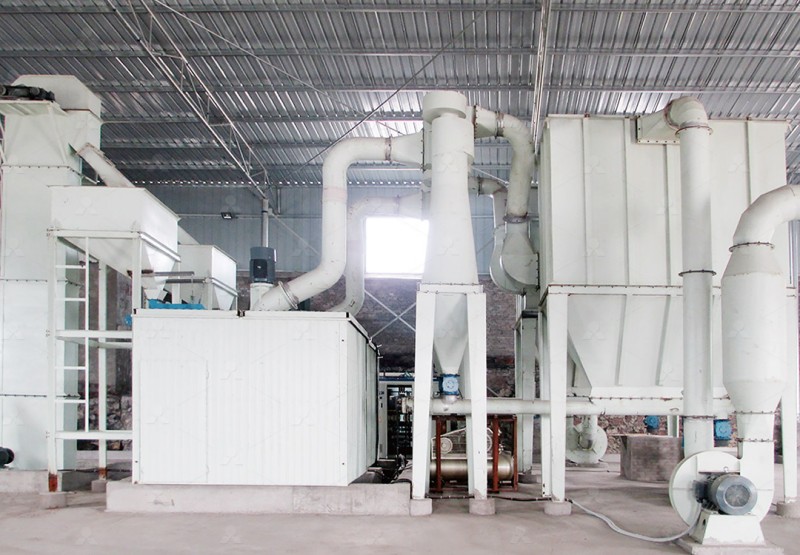
For operations requiring ultra-fine metal powders for advanced applications, the MW Ultrafine Grinding Mill presents a compelling solution. This machine is engineered for customers who need to make ultra-fine powder with superior efficiency. It handles an input size of 0-20 mm with a capacity range of 0.5-25 tph, making it versatile for various scales of operation.
What sets the MW Mill apart is its innovative design. It boasts a grinding efficiency that is 40% higher than jet mills while consuming only 30% of the energy. Its cage-type powder selector allows for precise fineness adjustment between 325-2500 meshes. Critically for metal processing, the grinding chamber has no rolling bearings or screws, eliminating common failure points and enabling external lubrication for continuous 24/7 operation. Coupled with an efficient pulse dust collector, it ensures your Spanish facility operates within strict environmental guidelines.
Another Robust Option for Diverse Applications
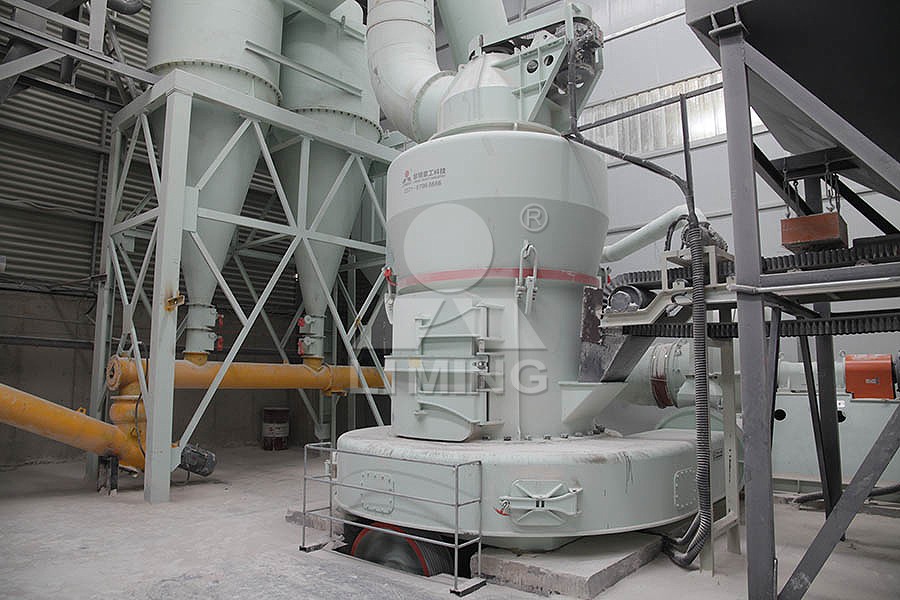
For those processing slightly smaller feed sizes with a need for exceptional stability, the LUM Ultrafine Vertical Grinding Mill is another excellent option. With an input size of 0-10 mm and a capacity of 5-18 tph, it integrates grinding, grading, and transporting. Its unique double position-limiting technology protects the mill from destructive vibrations, a common concern with hard metal ores. The reversible structure also simplifies maintenance, allowing grinding rollers to be easily moved out for inspection, significantly reducing potential downtime costs in Spain.
Getting an Accurate Quote for Spain
To get a precise cost for your project, you will need to consult directly with a supplier. Be prepared to provide detailed information about your raw material, target capacity, desired final product size, and site-specific conditions. Reputable manufacturers will offer a customized solution rather than a one-size-fits-all price.
Frequently Asked Questions (FAQ)
What is the typical price range for a metal crushing mill in Spain?
There is no “typical” price as it varies enormously. Small, standard models might start in the tens of thousands of euros, while large, custom-built, high-tech systems for major mining operations can run into hundreds of thousands or more. A detailed technical consultation is necessary for an accurate quote.
Are there additional costs beyond the mill itself?
Yes. Factor in costs for shipping, installation, and commissioning. Also, consider long-term operational costs like electricity, wear parts (rollers, liners), and routine maintenance services.
How important is energy efficiency in the total cost?
Extremely important. Energy can be the largest operational expense over the mill’s lifetime. Investing in an energy-efficient model like the MW or LUM series can lead to substantial savings, making the higher initial investment worthwhile.
Can the mill be adapted to Spanish environmental regulations?
Absolutely. Modern mills from reputable manufacturers are designed with environmental compliance in mind. Features like pulse dust collectors and silencers are standard or available as options to meet EU and local Spanish standards.
What about after-sales service and spare parts in Spain?
This is a critical consideration. Choose a supplier with a strong European network. For instance, our company ensures worry-free operation by providing direct technical services and a sufficient supply of original spare parts to our clients in Spain.