
Optimizing Cement Ball Mill Media for Efficient Rock Crushing
We provide a wide range of mills — including Raymond mill, trapezoidal mill, vertical mill, ultrafine mill, and ball mill, obtained ISO9001 international quality certification, EU CE certification, and Customs Union CU-TR certification. Suitable for processing minerals such as limestone, phosphate, quicklime, kaolin, talc, barite, bentonite, calcium carbonate, dolomite, coal, gypsum, clay, carbon black, slag, cement raw materials, cement clinker, and more.
The discharge range of these mills can be adjusted to meet specific processing needs, typically from 80-400 mesh, 600-3250 mesh, and can achieve the finest particle size of up to 6000 mesh(D50).
If you are looking for a reliable grinding solution to turn stone or minerals into fine powder, please feel free to contact our online customer service.
Optimizing Cement Ball Mill Media for Efficient Rock Crushing
In the world of cement production and mineral processing, the ball mill remains a cornerstone technology for reducing raw materials to the fine powders necessary for downstream processes. However, achieving optimal efficiency in ball mill operations requires careful consideration of grinding media selection, operational parameters, and the specific characteristics of the feed material. This article delves into the key strategies for optimizing ball mill media to maximize crushing efficiency and minimize operational costs.
The Critical Role of Grinding Media
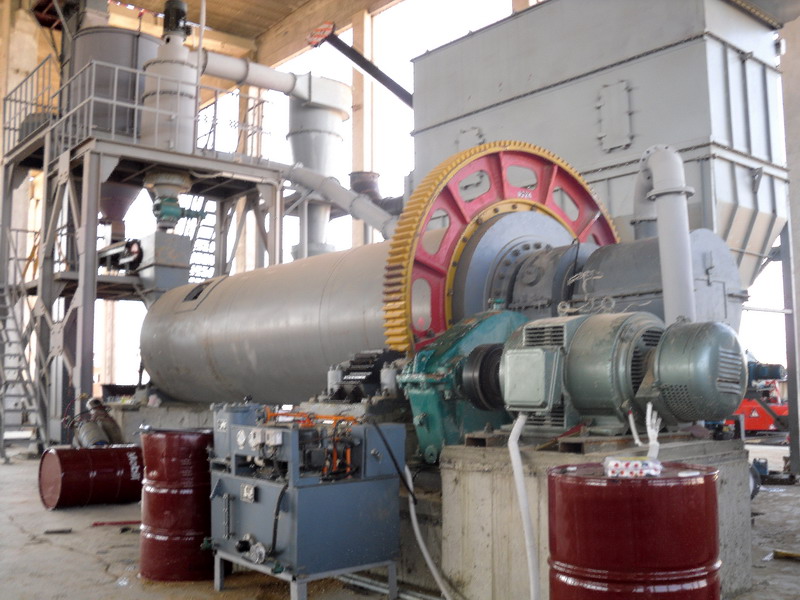
Grinding media—the balls or rods inside the mill—are not merely inert components; they are the primary agents of comminution. Their size, density, hardness, and composition directly influence the energy consumption, wear rate, and final product fineness. The fundamental principle is to match the impact force of the media to the fracture characteristics of the rock. For hard, abrasive ores, high-chromium steel balls are often preferred for their superior wear resistance. The size distribution of the media is equally crucial; a well-graded charge containing a mix of large and small balls ensures efficient breaking of both coarse feed particles and intermediate-sized fragments.
Beyond the Ball Mill: The Case for Advanced Grinding Technologies
While optimizing a ball mill is essential, plant managers should also consider whether their process would benefit from more modern grinding technologies. Ball mills, though reliable, are inherently less energy-efficient than some contemporary designs due to factors like high noise levels, significant heat generation, and greater mechanical losses.
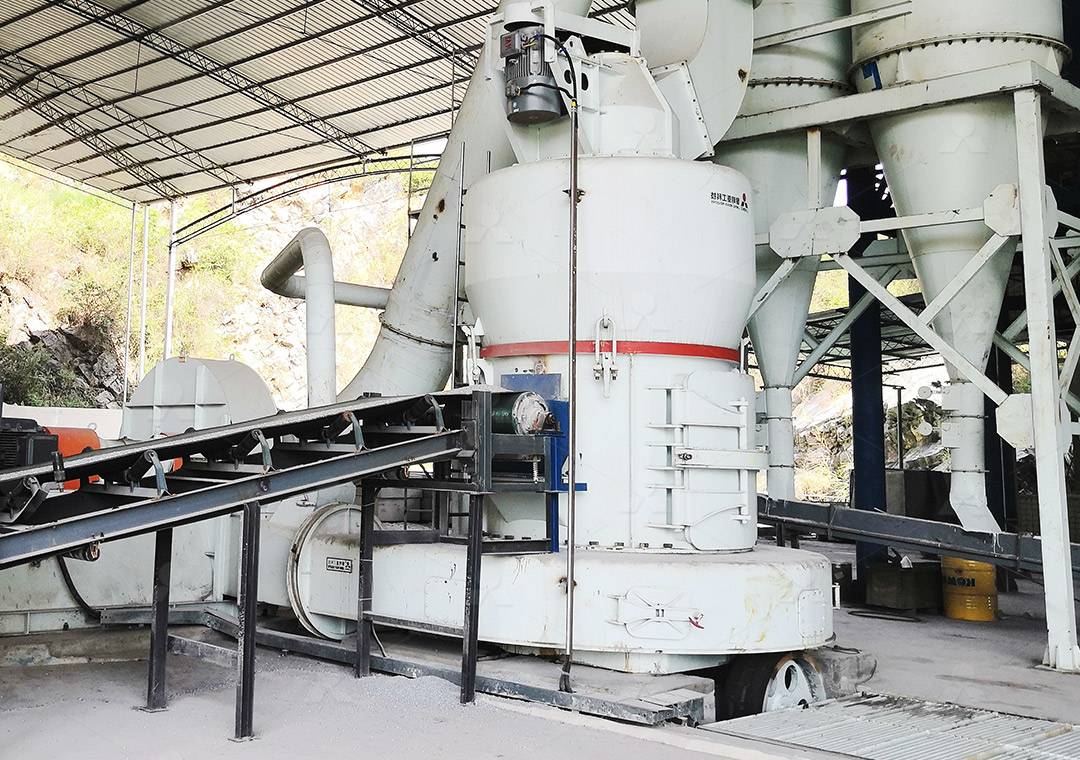
For operations requiring ultra-fine powders or seeking substantial gains in energy efficiency, LIMING’s MW Ultrafine Grinding Mill presents a compelling alternative. This machine is engineered for customers who need to produce ultra-fine powder with higher yielding and lower energy consumption. With a capacity range of 0.5-25 tph and an adjustable fineness between 325-2500 meshes, the MW Mill achieves a production capacity 40% higher than jet mills and double that of ball mills, while reducing system energy consumption by up to 70%. Its innovative design, featuring a cage-type powder selector and the absence of rolling bearings in the grinding chamber, ensures reliable, eco-friendly, and worry-free operation, making it an excellent choice for processing limestone, calcite, gypsum, and other non-metallic minerals.
Operational Parameters for Peak Performance
Optimization extends beyond media selection. The mill’s rotational speed is a critical variable. Operating below the critical speed ensures the media cascade rather than centrifuging, creating the necessary impact and attrition forces. The feed rate must be controlled to prevent overloading, which cushions impacts and reduces efficiency, or underloading, which accelerates media and liner wear. Additionally, the slurry density (in wet grinding) or moisture content (in dry grinding) must be carefully managed to ensure proper particle transport and prevent packing or dusting.
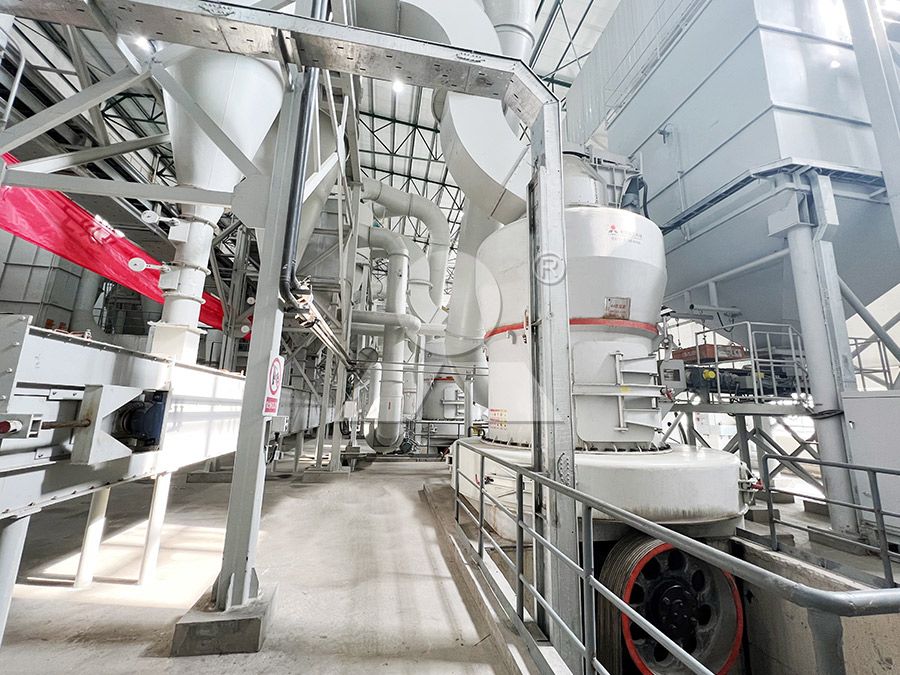
For applications demanding even greater efficiency and integration, LIMING’s LM Vertical Grinding Mill integrates crushing, drying, grinding, classifying, and conveying into a single unit. Its compact design reduces the coverage area by 50% compared to a ball mill and saves 30%-40% in energy consumption. Specializing in non-metallic minerals, pulverized coal, and slag, the LM Vertical Mill offers advantages like short material retention time, low iron content in the final product, and fully automated, environmentally friendly operation. This makes it ideal for large-scale cement and power plant desulfurization projects.
Monitoring, Maintenance, and Continuous Improvement
Sustained efficiency requires diligent monitoring. Regular analysis of power draw, product fineness, and media consumption provides valuable data for fine-tuning the process. Periodic inspections for liner wear and media degradation are essential to maintain performance. A proactive maintenance schedule prevents unplanned downtime and ensures the grinding circuit operates at its design potential. By adopting a data-driven approach to media optimization and process control, operators can significantly enhance the profitability of their milling operations.
Frequently Asked Questions (FAQ)
What is the most important factor in choosing grinding media?
The hardness and abrasiveness of the feed material are the primary factors. The media must be hard enough to fracture the rock without wearing down too quickly itself.
How often should grinding media be replenished?
This depends on the mill’s operating hours, feed material, and media quality. A typical ball mill may require a media recharge of 0.5-1.5 kg per ton of ground material. Regular sampling and weighing are needed to establish a site-specific schedule.
Can I switch from a ball mill to a vertical mill easily?
A switch requires a feasibility study and process redesign, as the two technologies have different feed size requirements, airflow needs, and layout considerations. However, the long-term benefits in energy savings, footprint reduction, and higher efficiency often justify the investment for new projects or major plant upgrades.
What are the signs of an poorly optimized ball mill?
Common signs include high specific energy consumption (kWh/ton), inconsistent product fineness, excessive noise or vibration, rapid liner wear, and high media consumption rates.