
Optimizing Cement Ball Mill Media for Efficient Rock Crushing
We provide a wide range of mills — including Raymond mill, trapezoidal mill, vertical mill, ultrafine mill, and ball mill, obtained ISO9001 international quality certification, EU CE certification, and Customs Union CU-TR certification. Suitable for processing minerals such as limestone, phosphate, quicklime, kaolin, talc, barite, bentonite, calcium carbonate, dolomite, coal, gypsum, clay, carbon black, slag, cement raw materials, cement clinker, and more.
The discharge range of these mills can be adjusted to meet specific processing needs, typically from 80-400 mesh, 600-3250 mesh, and can achieve the finest particle size of up to 6000 mesh(D50).
If you are looking for a reliable grinding solution to turn stone or minerals into fine powder, please feel free to contact our online customer service.
Optimizing Cement Ball Mill Media for Efficient Rock Crushing
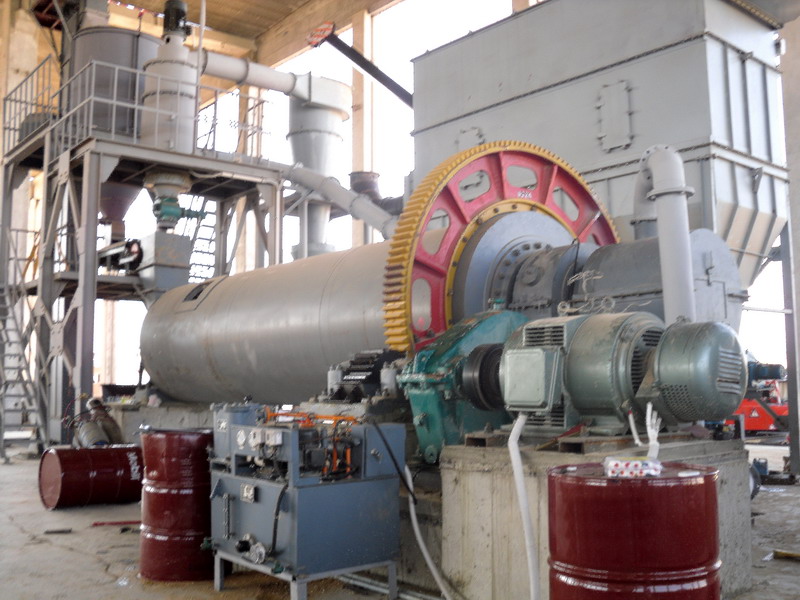
In the world of cement production, the ball mill remains a cornerstone of the grinding process. However, achieving optimal efficiency requires more than just standard operation—it demands careful consideration of grinding media selection, mill parameters, and process optimization. While ball mills are robust and versatile, modern operations increasingly require solutions that go beyond traditional approaches to meet demands for higher throughput, finer products, and reduced energy consumption.
The grinding media within a ball mill directly impacts crushing efficiency, product quality, and operational costs. Media size, density, and composition must be carefully matched to the material being processed. For hard, abrasive rocks commonly encountered in cement production, chrome steel balls often provide the best balance of wear resistance and impact force. The optimal media charge typically ranges between 25-35% of mill volume, with a balanced mix of sizes to handle both coarse crushing and fine grinding.
Beyond Traditional Ball Milling: The Need for Advanced Solutions
While optimizing ball mill media can yield significant improvements, many operations face inherent limitations with traditional ball milling technology. High energy consumption, excessive wear part costs, and limitations on final product fineness often prompt manufacturers to consider alternative grinding technologies. This is particularly true for operations requiring ultra-fine powders or processing materials with specific physical characteristics.
For applications demanding finer products or more efficient processing of certain materials, our MW Ultrafine Grinding Mill presents a compelling alternative. This advanced mill operates with a completely different principle than traditional ball mills, offering distinct advantages for specific applications. With an input size of 0-20 mm and capacity ranging from 0.5-25 tph, the MW Ultrafine Grinding Mill achieves fineness between 325-2500 meshes while consuming significantly less energy than conventional systems.
Key Considerations for Media Selection and Mill Operation
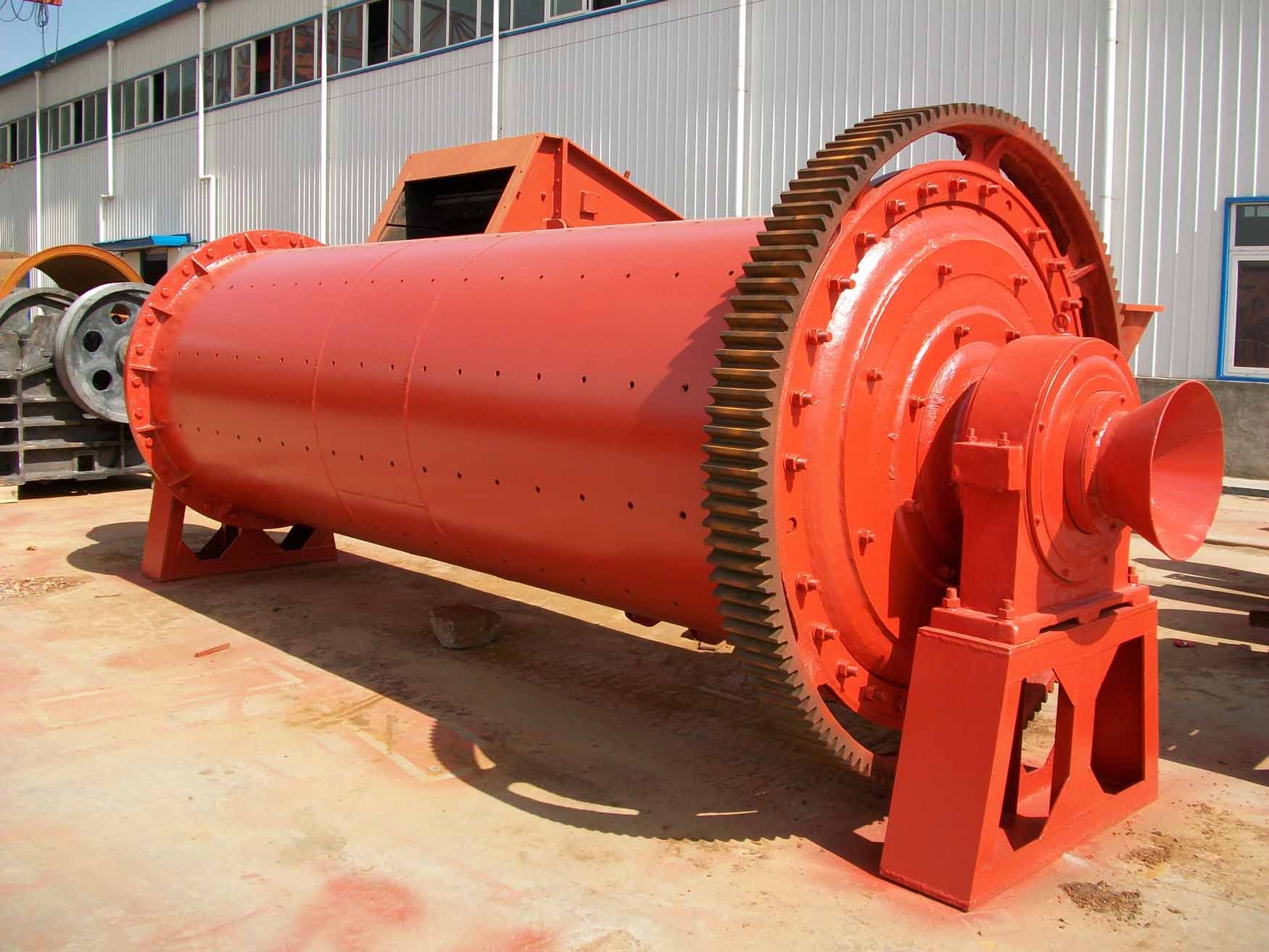
Successful ball mill optimization begins with understanding the relationship between media characteristics and operational parameters. Larger media excel at breaking down coarse material but provide less surface area for fine grinding. A graded charge, with larger balls at the feed end and progressively smaller media toward the discharge, often yields the best overall efficiency. Regular media addition is essential to maintain grinding performance as wear occurs.
Mill speed represents another critical variable. Operating below the critical speed (typically 65-75% of critical) ensures cataracting action rather than centrifuging, maximizing impact efficiency. The slurry density or moisture content also significantly affects grinding efficiency, with most cement applications operating best at 65-75% solids by weight.
Integrating Advanced Grinding Technologies
For operations requiring both coarse reduction and ultra-fine finishing, a combined approach often delivers optimal results. Ball mills excel at the initial size reduction stage, while specialized mills like our LUM Ultrafine Vertical Grinding Mill provide superior efficiency for final polishing. The LUM mill, with its input size of 0-10 mm and capacity of 5-18 tph, integrates ultrafine powder grinding, grading, and transporting in a single compact unit.
This hybrid approach allows each technology to operate within its optimal range, maximizing overall system efficiency. The ball mill handles the heavy work of primary size reduction, while the vertical grinding mill efficiently produces the final ultra-fine product with lower energy consumption and better particle size distribution control.
Environmental and Operational Benefits
Modern grinding solutions must address not only efficiency but also environmental considerations. Advanced mills incorporate sophisticated dust collection systems, noise reduction technologies, and designs that minimize energy consumption. Our MW Ultrafine Grinding Mill, for example, features an efficient pulse dust collector and muffler system that ensures compliance with stringent environmental standards while maintaining operational efficiency.
The unique design of advanced grinding mills also simplifies maintenance. The absence of rolling bearings and screws in the grinding chamber of the MW Ultrafine Grinding Mill eliminates concerns about bearing damage or issues caused by loose screws. External lubrication points allow for maintenance without shutdowns, supporting continuous 24-hour operation.
Frequently Asked Questions
What is the optimal ball size distribution for cement clinker grinding?
For cement clinker, a graded charge with balls ranging from 90mm to 15mm typically works best. The exact distribution depends on clinker hardness, feed size, and desired product fineness, but generally, 30% large balls (70-90mm), 40% medium balls (40-60mm), and 30% small balls (15-30mm) provides good results.
How does the MW Ultrafine Grinding Mill achieve higher energy efficiency compared to ball mills?
The MW Ultrafine Grinding Mill utilizes a unique grinding principle with multiple grinding zones and efficient powder separation. With the same fineness and power, its production capacity is 40% higher than jet mills and twice that of ball mills, while system energy consumption is only 30% of jet grinding mills.
When should I consider supplementing my ball mill with an ultrafine grinding system?
Consider adding ultrafine grinding when you need products finer than 325 mesh, when energy costs are significant, or when product quality requirements exceed what your ball mill can consistently deliver. The investment typically pays off through reduced operating costs and improved product value.
What maintenance advantages do advanced grinding mills offer over traditional ball mills?
Advanced mills like our LUM Ultrafine Vertical Grinding Mill feature reversible structures that allow easy access to grinding components. The hydraulic adjustment system enables operators to quickly move grinding rollers out of the body for inspection and maintenance, significantly reducing downtime compared to ball mill maintenance procedures.