
Principles of Grinding Process in Ball Mill for Cement Production
We provide a wide range of mills — including Raymond mill, trapezoidal mill, vertical mill, ultrafine mill, and ball mill, obtained ISO9001 international quality certification, EU CE certification, and Customs Union CU-TR certification. Suitable for processing minerals such as limestone, phosphate, quicklime, kaolin, talc, barite, bentonite, calcium carbonate, dolomite, coal, gypsum, clay, carbon black, slag, cement raw materials, cement clinker, and more.
The discharge range of these mills can be adjusted to meet specific processing needs, typically from 80-400 mesh, 600-3250 mesh, and can achieve the finest particle size of up to 6000 mesh(D50).
If you are looking for a reliable grinding solution to turn stone or minerals into fine powder, please feel free to contact our online customer service.
Principles of Grinding Process in Ball Mill for Cement Production
Grinding is a fundamental unit operation in cement production, where raw materials and clinker are reduced to fine powders to achieve the desired reactivity and strength. The ball mill, a workhorse in this industry, operates on relatively simple mechanical principles but involves complex physical and chemical interactions. Understanding these principles is crucial for optimizing efficiency, product quality, and operational costs.
Core Operating Principles
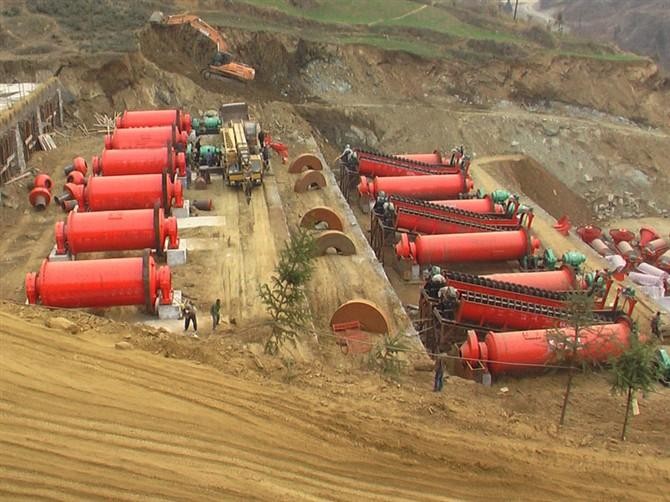
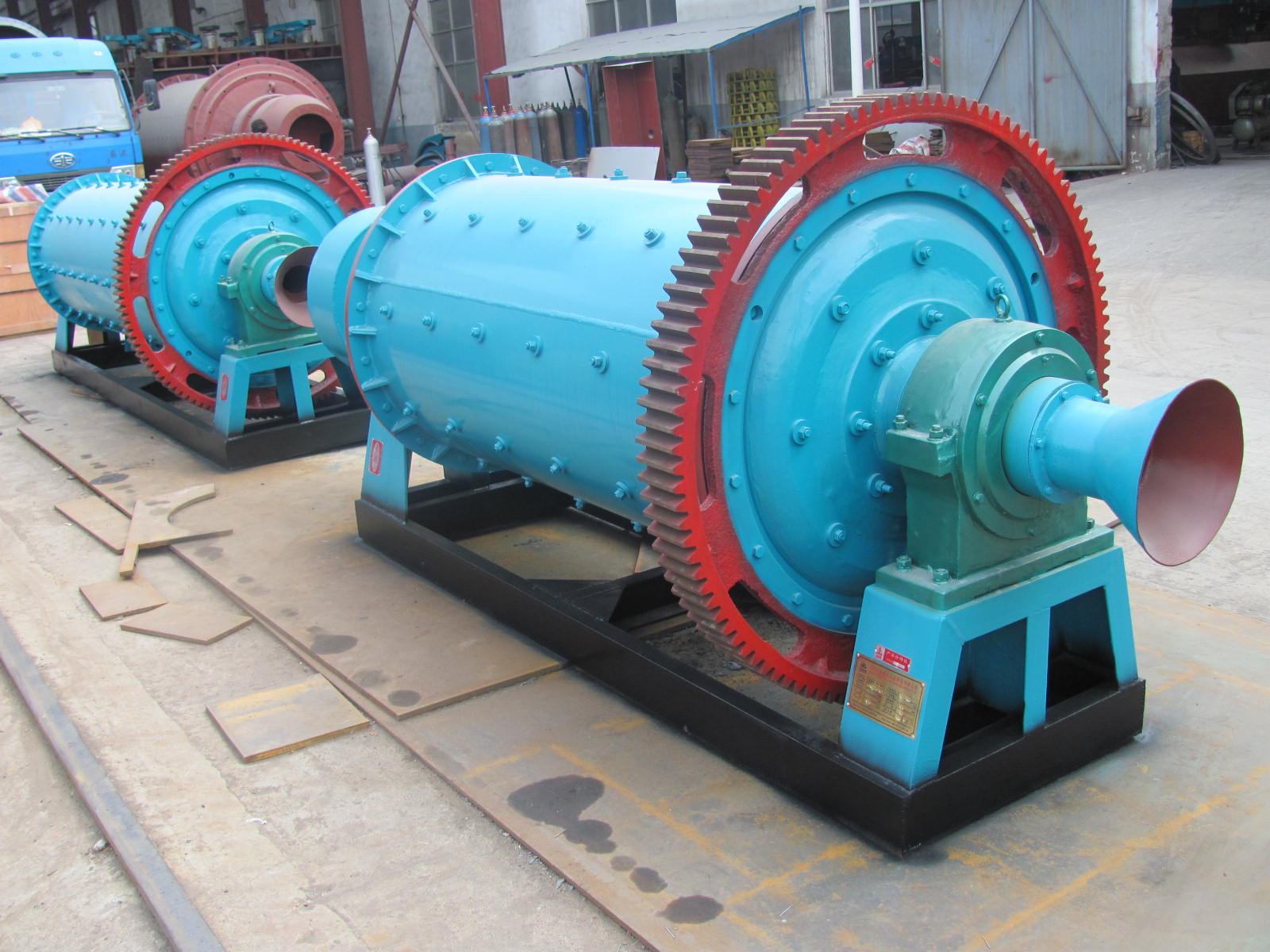
The ball mill is essentially a rotating cylindrical shell, partially filled with grinding media—typically high-chromium steel balls. The material to be ground is fed into one end, and the rotation of the shell causes the lifting and cascading of the grinding media. This action subjects the material to two primary forces: impact from the falling balls and attrition (abrasion) from the rolling and sliding motion between the balls themselves and against the mill liner.
The efficiency of this process is governed by several key factors:
- Rotational Speed: The speed must be optimized to achieve the ‘cascading’ action. If too slow, insufficient impact occurs; if too fast, centrifugal force pins the media to the shell wall (centrifuging), halting grinding.
- Grinding Media: The size, density, and distribution of the balls are critical. Larger balls are effective for coarse grinding through impact, while smaller balls are better for fine grinding via attrition.
- Feed Rate and Material Characteristics: The hardness, moisture content, and feed size of the material directly influence the grinding time and energy consumption.
Challenges in Traditional Ball Milling
Despite its widespread use, the ball mill has inherent limitations. A significant portion of the input energy is lost as heat and sound, rather than being used for size reduction. The process can also be inefficient for achieving very fine or ultra-fine powders (below 45 microns), often requiring closed-circuit systems with classifiers, which adds complexity. Furthermore, wear on liners and grinding media contributes to high maintenance costs and potential iron contamination of the final product.
Modern Alternatives for Enhanced Efficiency
While ball mills remain a reliable choice for many applications, technological advancements have led to more efficient grinding solutions. For producers seeking higher yields with significantly lower energy consumption, especially for ultra-fine powders, vertical roller mills and specialized ultrafine grinding systems offer compelling advantages.
For instance, our MW Ultrafine Grinding Mill is engineered to address the shortcomings of traditional mills. Designed for customers requiring ultra-fine powder between 325-2500 meshes, it achieves a production capacity 40% higher than jet mills and double that of ball mills with the same power input. Its system energy consumption is a remarkable 70% lower. A key innovation is the absence of rolling bearings and screws in the grinding chamber, eliminating common failure points and enabling 24-hour continuous operation with external lubrication. This makes it an ideal solution for processing limestone, calcite, and other materials where high purity and fine particle size are paramount.
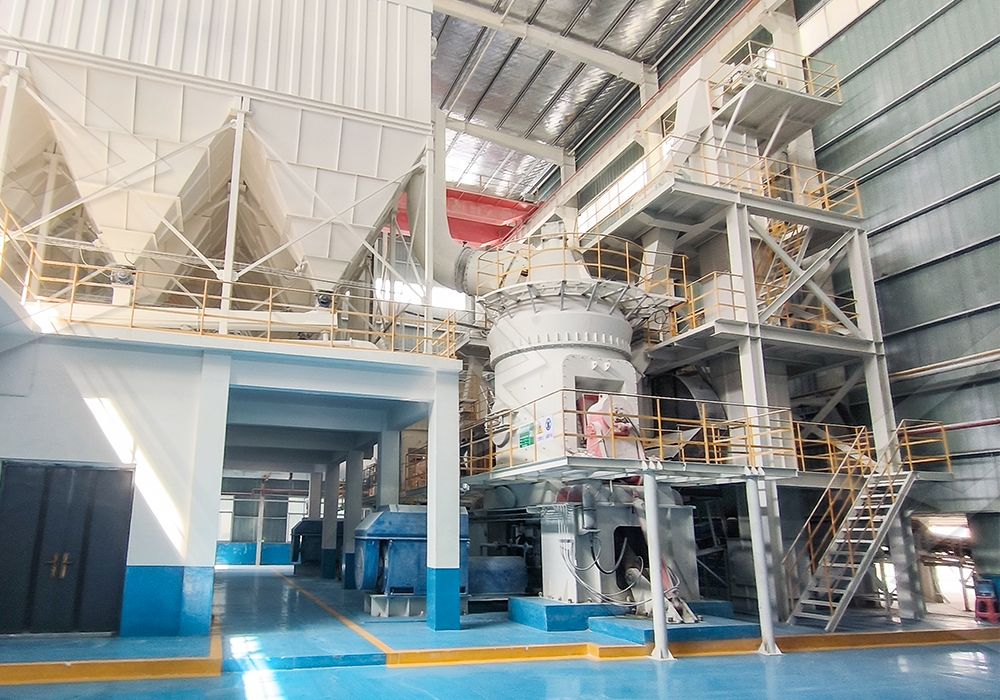
Another robust option for integrated operations is the LM Vertical Grinding Mill. It combines crushing, drying, grinding, classifying, and conveying in a single unit, reducing the footprint by 50% compared to a ball mill system. It saves 30%-40% in energy consumption and features a short material retention time, which minimizes over-grinding and reduces iron content, ensuring a whiter, purer product—a critical factor in high-grade cement and chemical applications.
Conclusion
The principles of grinding in a ball mill are well-established, forming the backbone of cement production for decades. However, a thorough understanding of these principles also reveals opportunities for improvement. By evaluating operational parameters and considering modern, energy-efficient alternatives like vertical and ultrafine grinding mills, producers can significantly enhance their productivity, product quality, and environmental footprint.
Frequently Asked Questions (FAQ)
What is the critical speed of a ball mill?
The critical speed is the rotational speed at which the centrifugal force is strong enough to prevent the grinding media from cascading. Grinding is most effective at speeds below this, typically between 65% and 75% of the critical speed.
How does a ball mill compare to a vertical roller mill for cement grinding?
Vertical roller mills generally offer higher energy efficiency (30-50% less power consumption), better drying capacity, and a smaller footprint. Ball mills, however, can handle a wider range of feed moisture and are often considered more robust for harder, more abrasive materials.
What are the main wear parts in a ball mill?
The primary wear parts are the mill liners (which protect the shell) and the grinding media (balls). The rate of wear depends on the abrasiveness of the material being ground.
Can ball mills produce ultra-fine cement?
Yes, but it is often inefficient. Producing ultra-fine particles in a ball mill requires very long grinding times, high energy input, and can lead to excessive heat generation. Specialized mills like the MW Ultrafine Grinding Mill are more suited for this specific task.