
Price of Lithium Slag Vertical Mills: 2024 Market Analysis & Cost Factors
We provide a wide range of mills — including Raymond mill, trapezoidal mill, vertical mill, ultrafine mill, and ball mill, obtained ISO9001 international quality certification, EU CE certification, and Customs Union CU-TR certification. Suitable for processing minerals such as limestone, phosphate, quicklime, kaolin, talc, barite, bentonite, calcium carbonate, dolomite, coal, gypsum, clay, carbon black, slag, cement raw materials, cement clinker, and more.
The discharge range of these mills can be adjusted to meet specific processing needs, typically from 80-400 mesh, 600-3250 mesh, and can achieve the finest particle size of up to 6000 mesh(D50).
If you are looking for a reliable grinding solution to turn stone or minerals into fine powder, please feel free to contact our online customer service.
Price of Lithium Slag Vertical Mills: 2024 Market Analysis & Cost Factors
The global push for electrification has placed lithium at the forefront of critical minerals, consequently driving demand for efficient processing technologies like vertical grinding mills for lithium slag. As we move through 2024, understanding the pricing and key cost drivers for these specialized mills is crucial for project planning and ROI calculation. This analysis delves into the current market dynamics and the factors that significantly influence the final price tag of a vertical mill system for lithium slag.
Market Overview and Key Price Determinants
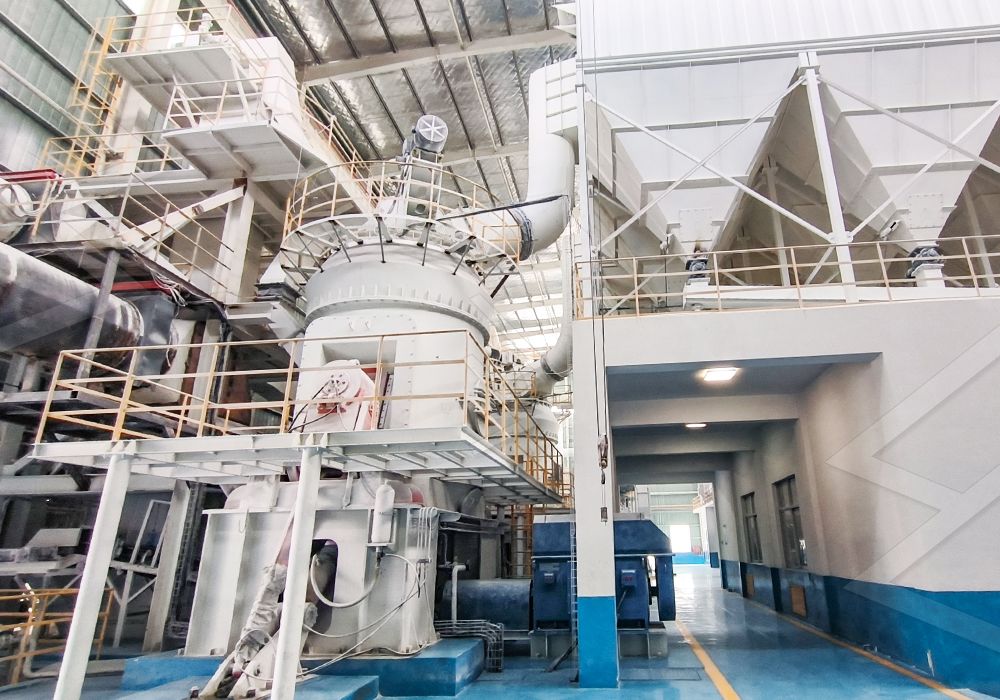
The price of a vertical mill for lithium slag is not a single figure but a range, typically starting from several hundred thousand dollars and scaling up to over a million, depending on the system’s configuration and capacity. This variation stems from several core factors:
- Mill Capacity and Size: The most significant factor. A system with a capacity of 5 tons per hour (tph) will have a vastly different price than one rated for 50 tph. The scale of your operation directly dictates the mill size, motor power, and structural requirements.
- Technical Specifications and Efficiency: Advanced features that enhance grinding efficiency, reduce energy consumption, and improve product fineness command a premium. Technologies like sophisticated powder separators, automated control systems (PLC), and high-precision manufacturing contribute to a higher initial cost but offer substantial long-term savings.
- Material of Construction: Lithium slag can be abrasive. Mills equipped with wear-resistant alloys for grinding rollers, rings, and liners will have a higher upfront cost but dramatically lower lifetime operating expenses due to reduced downtime and part replacement frequency.
- Environmental and Ancillary Systems: The base price of the mill often excludes essential ancillary equipment. Integrated pulse dust collectors, silencers, hot air generators for drying, and advanced automation packages are critical for modern, eco-friendly operation and add considerably to the total project cost.
Strategic Equipment Selection for Lithium Slag
Selecting the right mill technology is paramount. For producers seeking exceptional fineness and high efficiency in lithium slag processing, the MW Ultrafine Grinding Mill presents a compelling solution. This machine is engineered for customers requiring ultra-fine powder, with several distinct advantages. It achieves an adjustable fineness between 325-2500 meshes, making it ideal for high-value lithium slag applications. Its design boasts higher yielding and lower energy consumption—up to 40% higher capacity than jet mills with system energy consumption only 30% of the latter. A key maintenance benefit is the absence of rolling bearings and screws in the grinding chamber, eliminating common failure points and enabling worry-free, continuous 24/7 operation.
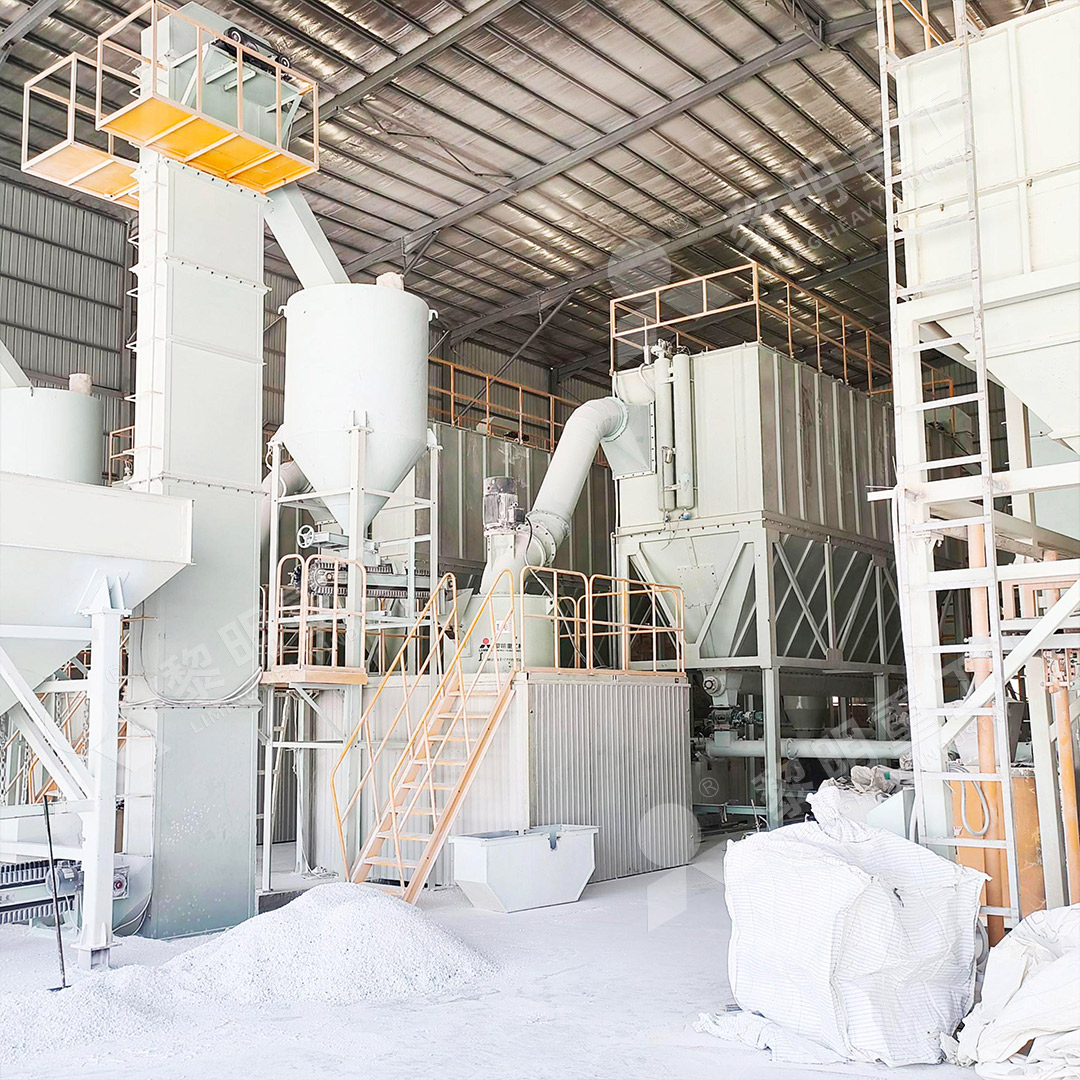
For operations prioritizing high capacity and integrated drying of slightly moist slag, the LM Vertical Grinding Mill is another excellent option. It integrates crushing, drying, grinding, and classifying into a single unit, reducing the overall footprint and investment in auxiliary equipment. Its design ensures a short grinding time and low iron content in the final product, preserving the quality of the lithium slag powder.
Beyond the Sticker Price: Total Cost of Ownership (TCO)
A savvy investment decision looks beyond the initial purchase price. The Total Cost of Ownership includes:
- Energy Consumption: Vertical mills are generally more energy-efficient than ball mills. A mill that saves 30-40% on power will have a massive impact on operational costs over its lifespan.
- Maintenance and Spare Parts: Consider the availability and cost of wear parts. A reliable supplier that guarantees a sufficient supply of original spare parts, like our company, ensures minimal operational disruption.
- Operational Labor: Highly automated mills with remote monitoring capabilities require less manual intervention, reducing labor costs.
- Durability and Lifespan: Investing in a robustly built mill from a reputable manufacturer translates to a longer service life and better return on investment.
FAQ
What is the typical price range for a vertical mill for lithium slag?
Prices vary widely based on capacity and configuration, generally ranging from $200,000 to over $1.5 million. A detailed quotation requires specific project parameters like desired capacity, input/output size, and automation level.
Why choose a vertical mill over a traditional ball mill for lithium slag?
Vertical mills offer significant advantages, including lower energy consumption (30-40% savings), a smaller footprint, integrated drying capabilities for moist materials, and better control over product fineness.
What are the key after-sales services to look for?
Essential services include installation supervision, commissioning, operator training, readily available technical support, and a reliable supply of genuine spare parts to guarantee worry-free operation.
How does the abrasiveness of lithium slag affect mill selection?
Highly abrasive slag necessitates mills built with superior wear-resistant materials for critical components like rollers and liners. This increases the initial cost but is crucial for low long-term maintenance costs and sustained performance.