
How does a vertical roller mill improve cement clinker grinding efficiency?
We provide a wide range of mills — including Raymond mill, trapezoidal mill, vertical mill, ultrafine mill, and ball mill, obtained ISO9001 international quality certification, EU CE certification, and Customs Union CU-TR certification. Suitable for processing minerals such as limestone, phosphate, quicklime, kaolin, talc, barite, bentonite, calcium carbonate, dolomite, coal, gypsum, clay, carbon black, slag, cement raw materials, cement clinker, and more.
The discharge range of these mills can be adjusted to meet specific processing needs, typically from 80-400 mesh, 600-3250 mesh, and can achieve the finest particle size of up to 6000 mesh(D50).
If you are looking for a reliable grinding solution to turn stone or minerals into fine powder, please feel free to contact our online customer service.
How does a vertical roller mill improve cement clinker grinding efficiency?
In the competitive world of cement production, grinding efficiency directly impacts operational costs, product quality, and environmental footprint. The transition from traditional ball mills to modern vertical roller mills (VRMs) represents a significant technological leap forward. This article explores the key mechanisms through which VRMs enhance the grinding of cement clinker.
Fundamental Principles of Grinding Efficiency
At its core, grinding efficiency is about maximizing size reduction while minimizing energy input. Traditional ball mills operate on the principle of impact and attrition as tumbling balls collide with the material. While effective, this process is inherently energy-intensive, with a significant portion of the energy lost as heat and sound. A vertical roller mill, in contrast, utilizes a bed-compaction principle. Material is fed onto a rotating grinding table and is crushed under the pressure of hydraulically-loaded grinding rollers.
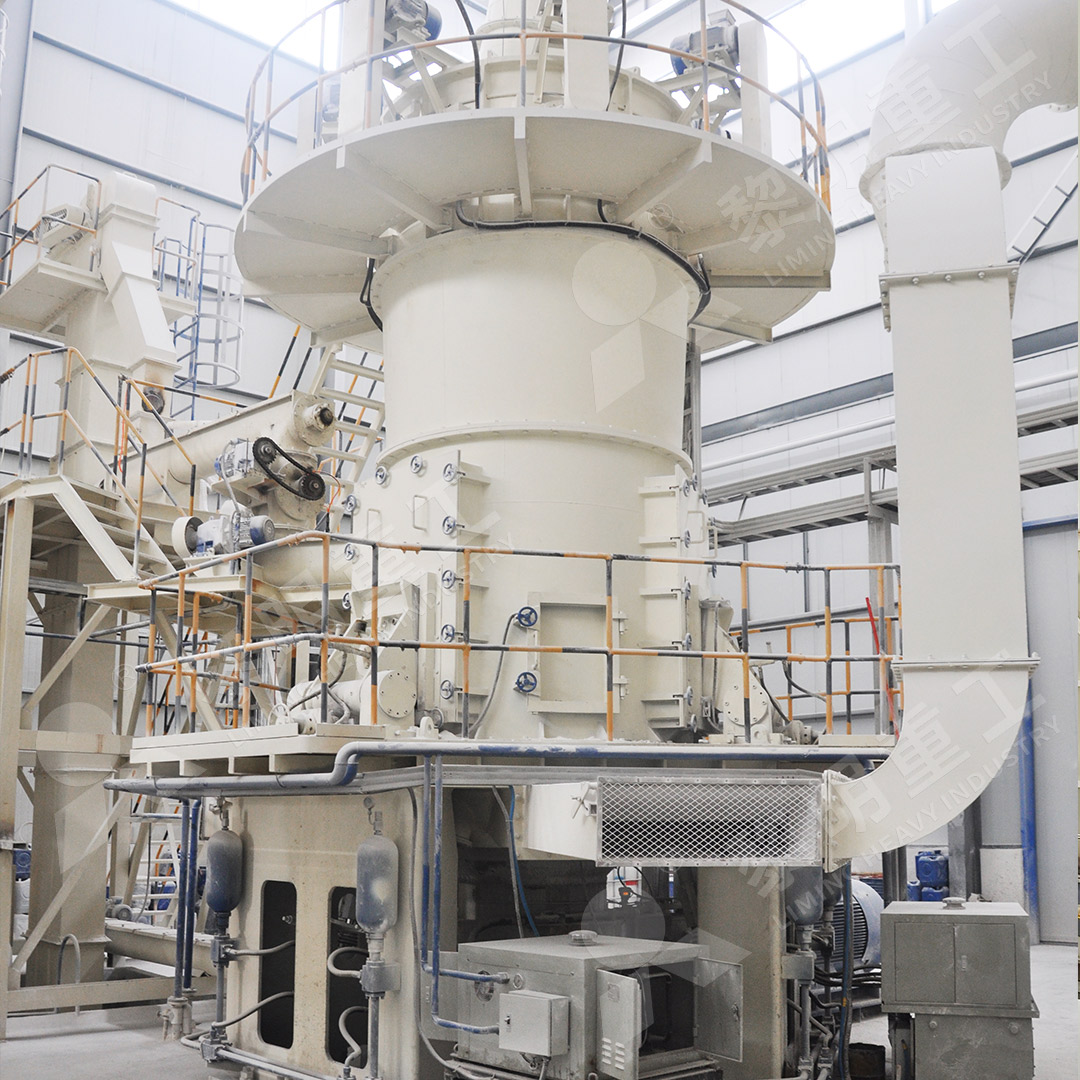
This method is fundamentally more efficient for several reasons. The pressure applied is direct and focused, leading to more effective breakage of the clinker particles. Furthermore, the ground material is immediately transported by a stream of hot gas to an integrated classifier, separating fine product from coarse material that requires further grinding. This integrated drying, grinding, and classifying system eliminates intermediate steps and associated energy losses.
Key Advantages of Vertical Roller Mills for Clinker Grinding
1. Significant Energy Savings: The most pronounced benefit is reduced power consumption. VRMs typically use 30% to 50% less energy than a ball mill for the same grinding duty. This is primarily due to the more efficient grinding mechanism and the elimination of the need for auxiliary equipment like external classifiers and bucket elevators.
2. Integrated Drying Capability: The hot gas stream used for material transport also serves to dry the feed. Cement clinker often contains residual moisture, and the ability to dry and grind simultaneously within the VRM eliminates the need for a separate dryer, further contributing to energy and capital cost savings.
3. Superior Product Quality and Control: The internal dynamic classifier allows for precise control over the particle size distribution (PSD) of the final cement product. A steeper PSD curve, which is achievable with VRMs, can lead to improved cement strength development. Additionally, the short material retention time in the mill prevents over-grinding and reduces the iron content introduced from mechanical wear, enhancing the product’s whiteness and purity.
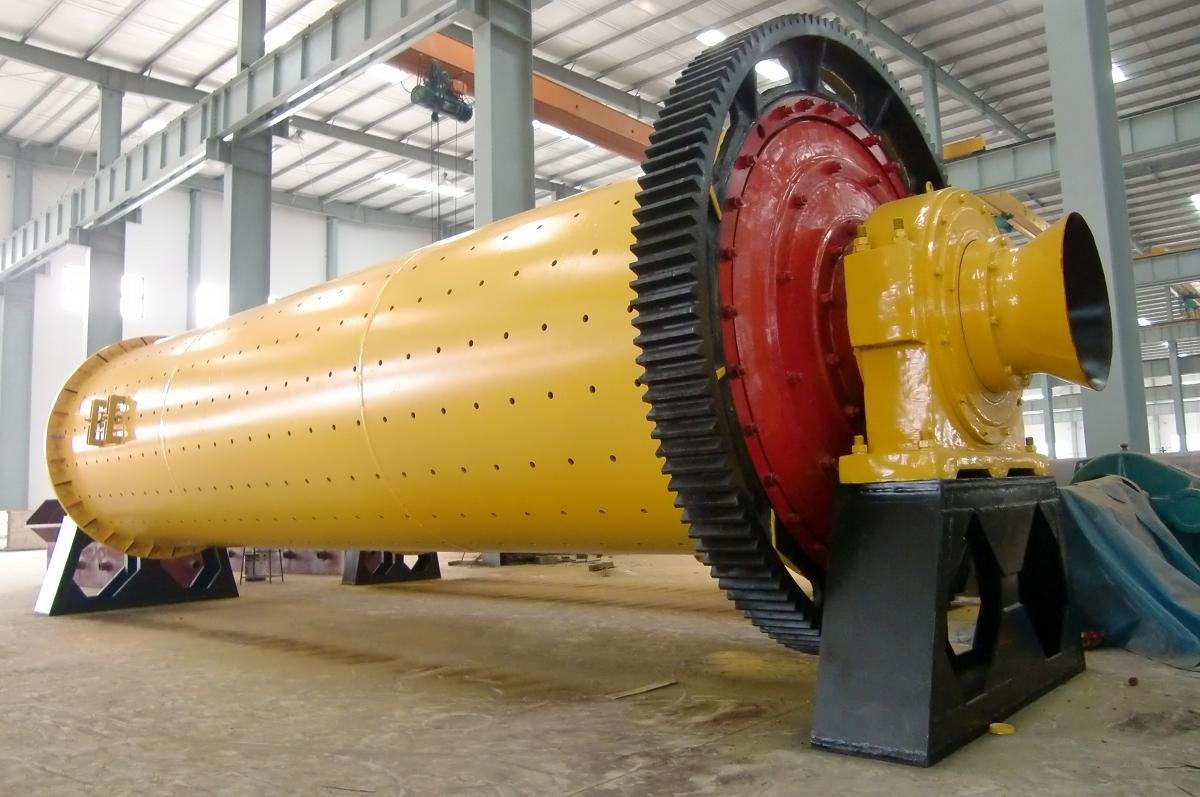
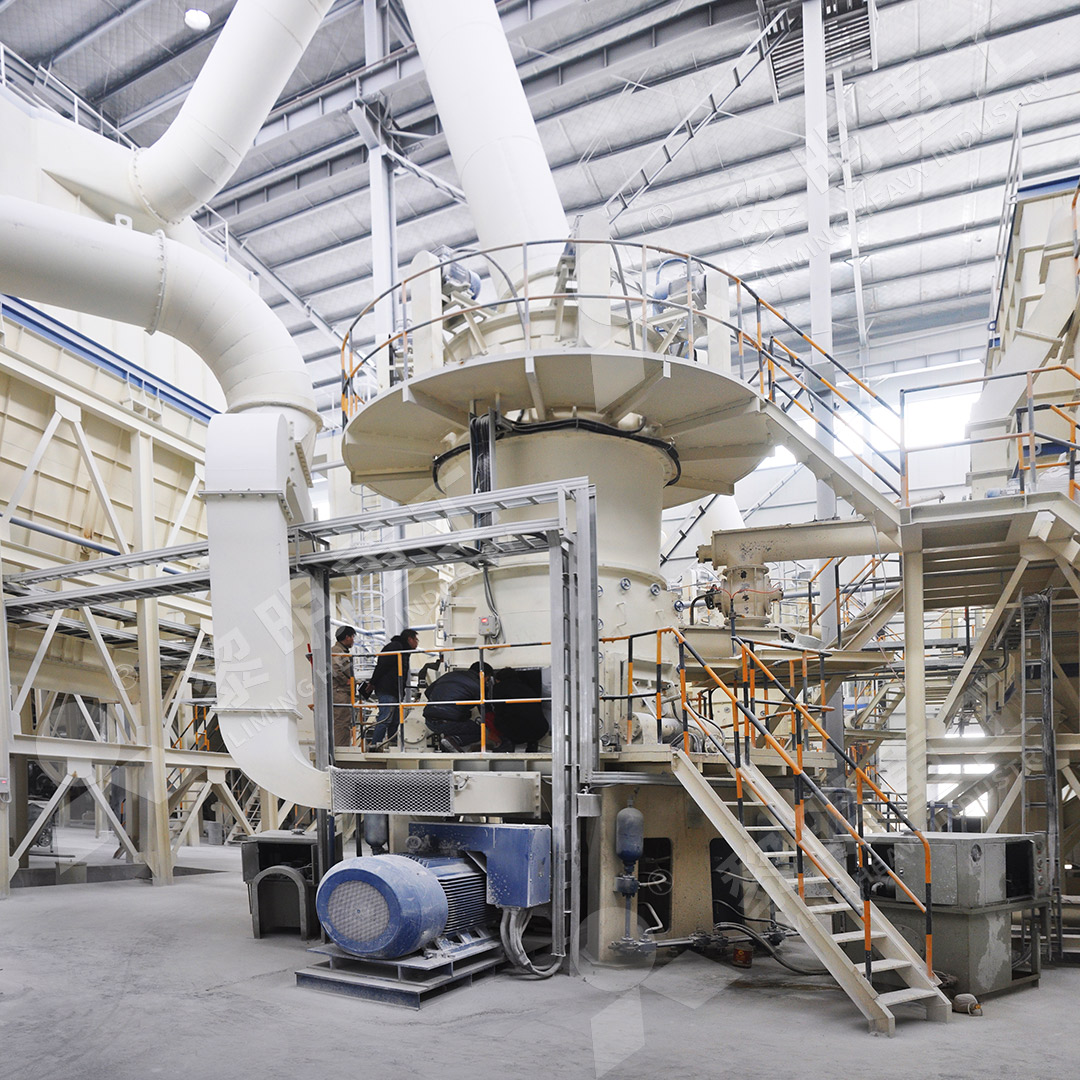
4. Compact Footprint and Lower Noise: VRMs have a much smaller physical footprint compared to ball mill circuits. Their vertical structure and integrated design make them ideal for space-constrained plants. Operation is also notably quieter, improving the working environment.
Advanced Solutions for Maximum Performance
While standard VRMs offer substantial improvements, advanced models push the boundaries of efficiency even further. For operations requiring the utmost in precision and energy savings, our LUM Ultrafine Vertical Grinding Mill is an exemplary solution. Independently designed with the latest grinding roller and German powder separating technology, the LUM mill achieves a higher yielding rate and better product quality. Its unique roller shell and lining plate grinding curve are easier to generate a stable material layer, enabling high rates of finished product from a single pass. Furthermore, its multi-head powder separating technology and PLC control system reduce energy consumption by 30%-50% compared to common grinding mills, making it a superior choice for modern cement plants focused on sustainability and performance.
For projects with specific requirements for ultra-fine powders within the cement industry or related applications, our MW Ultrafine Grinding Mill is another technologically advanced option. With an adjustable fineness between 325-2500 meshes and a design that eliminates rolling bearings and screws in the grinding chamber, it offers exceptional operational reliability and minimal maintenance downtime. Its higher yielding and lower energy consumption profile ensures efficient production of specialized cementitious products.
Frequently Asked Questions (FAQ)
What is the typical energy saving of a VRM compared to a ball mill?
Vertical Roller Mills typically achieve energy savings of 30% to 50% for the same cement clinker grinding application.
Can a VRM handle moist clinker?
Yes, one of the key advantages of VRMs is their integrated drying capability. Hot gases introduced into the mill simultaneously dry and grind the material, handling moisture effectively.
How does a VRM improve product quality?
VRMs provide superior control over particle size distribution through internal classifiers. This results in a more optimal cement strength profile. The process also introduces less iron contamination, benefiting product purity.
Is the maintenance of a VRM more complex?
While VRMs have sophisticated systems, modern designs like our LUM series feature reversible structures that allow grinding rollers to be easily swung out for maintenance, reducing downtime and simplifying the process compared to traditional mills.