
How Does a Vertical Roller Mill Improve Cement Clinker Grinding Efficiency?
We provide a wide range of mills — including Raymond mill, trapezoidal mill, vertical mill, ultrafine mill, and ball mill, obtained ISO9001 international quality certification, EU CE certification, and Customs Union CU-TR certification. Suitable for processing minerals such as limestone, phosphate, quicklime, kaolin, talc, barite, bentonite, calcium carbonate, dolomite, coal, gypsum, clay, carbon black, slag, cement raw materials, cement clinker, and more.
The discharge range of these mills can be adjusted to meet specific processing needs, typically from 80-400 mesh, 600-3250 mesh, and can achieve the finest particle size of up to 6000 mesh(D50).
If you are looking for a reliable grinding solution to turn stone or minerals into fine powder, please feel free to contact our online customer service.
How Does a Vertical Roller Mill Improve Cement Clinker Grinding Efficiency?
The cement manufacturing process is inherently energy-intensive, with clinker grinding representing a significant portion of the total power consumption. For decades, the industry relied heavily on traditional ball mills. However, the advent of Vertical Roller Mills (VRMs) has marked a revolutionary shift, offering substantial improvements in efficiency, operational cost, and environmental performance. This article delves into the core mechanisms that enable VRMs to outperform conventional grinding systems in cement clinker applications.
1. Fundamental Principles of Grinding Efficiency
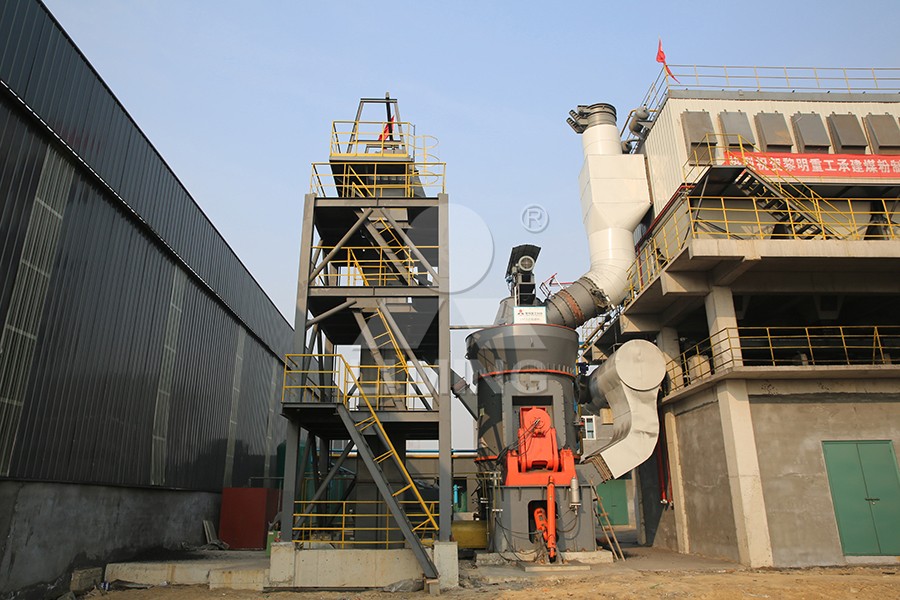
At its heart, grinding efficiency is about maximizing the size reduction of material while minimizing energy input. Traditional ball mills operate on the principle of impact and attrition as tumbling balls collide with the clinker. While effective, this method is notoriously inefficient, with a large percentage of energy lost as heat and noise. A VRM, in contrast, employs a bed-compaction principle. Material is ground between a rotating table and heavy rollers that apply controlled hydraulic pressure. This direct, pressure-based grinding is fundamentally more efficient than the random impact events in a ball mill.
2. Key Mechanisms for Enhanced Performance
Several integrated design features contribute to the superior efficiency of VRMs:
- Integrated Drying and Grinding: Hot gases from the kiln preheater can be directly introduced into the VRM. These gases simultaneously dry the feed material (which often contains moisture) and transport the ground powder to the separator. This eliminates the need for a separate dryer, saving energy and simplifying the process flow.
- High-Efficiency Classifiers: Modern VRMs are equipped with internal, dynamic classifiers. These devices instantly separate fine, product-sized particles from coarse ones. The coarse material is immediately returned to the grinding bed for further size reduction, preventing over-grinding—a major source of energy waste in ball mills.
- Reduced Residence Time: Material passes through a VRM much faster than through a ball mill. This short residence time minimizes the exposure of finished product to the grinding elements, reducing the generation of ultrafine particles and lowering the specific surface area (Blaine) per unit of energy consumed.
3. The Role of Advanced Mill Design: Spotlight on LIMING’s LUM Ultrafine Vertical Grinding Mill
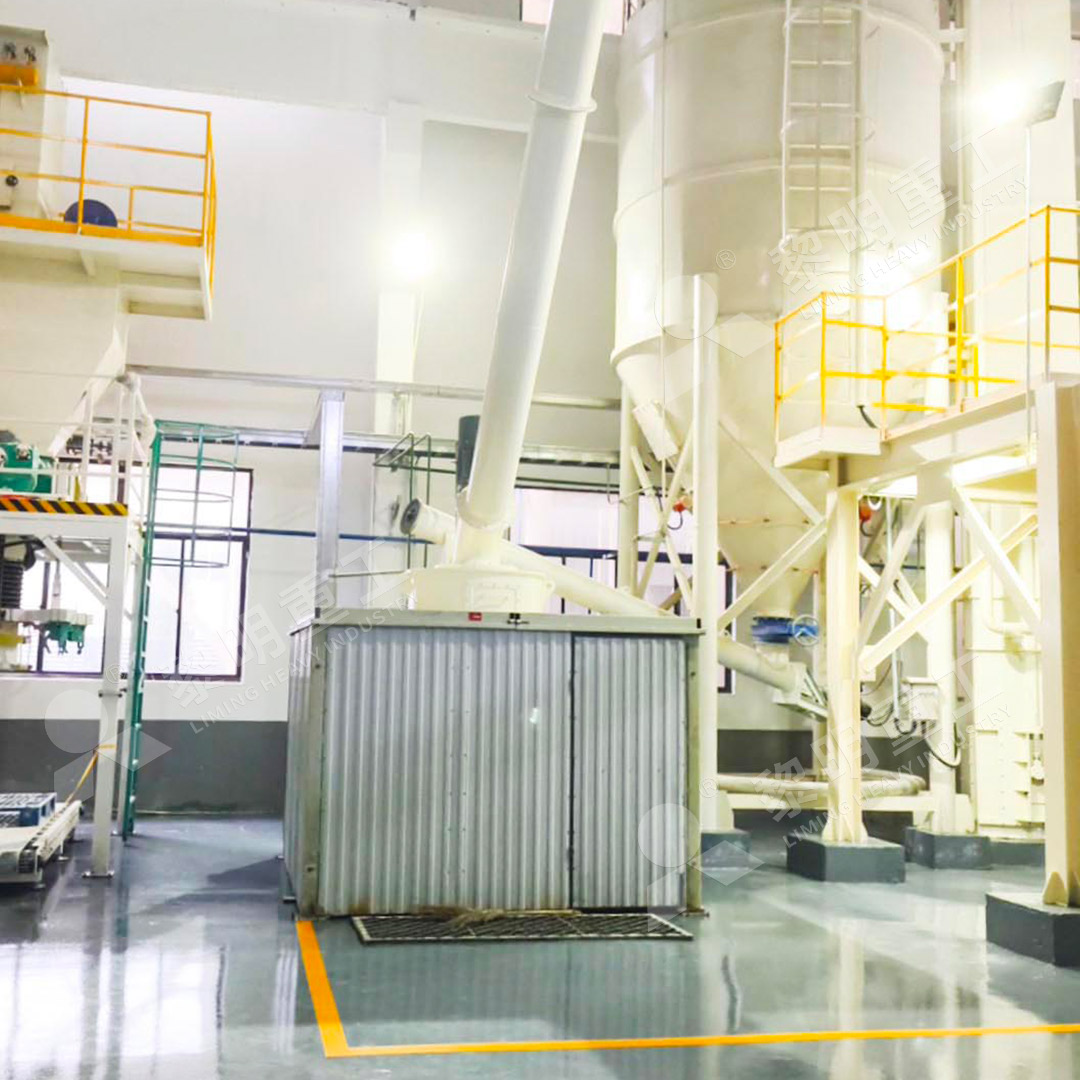
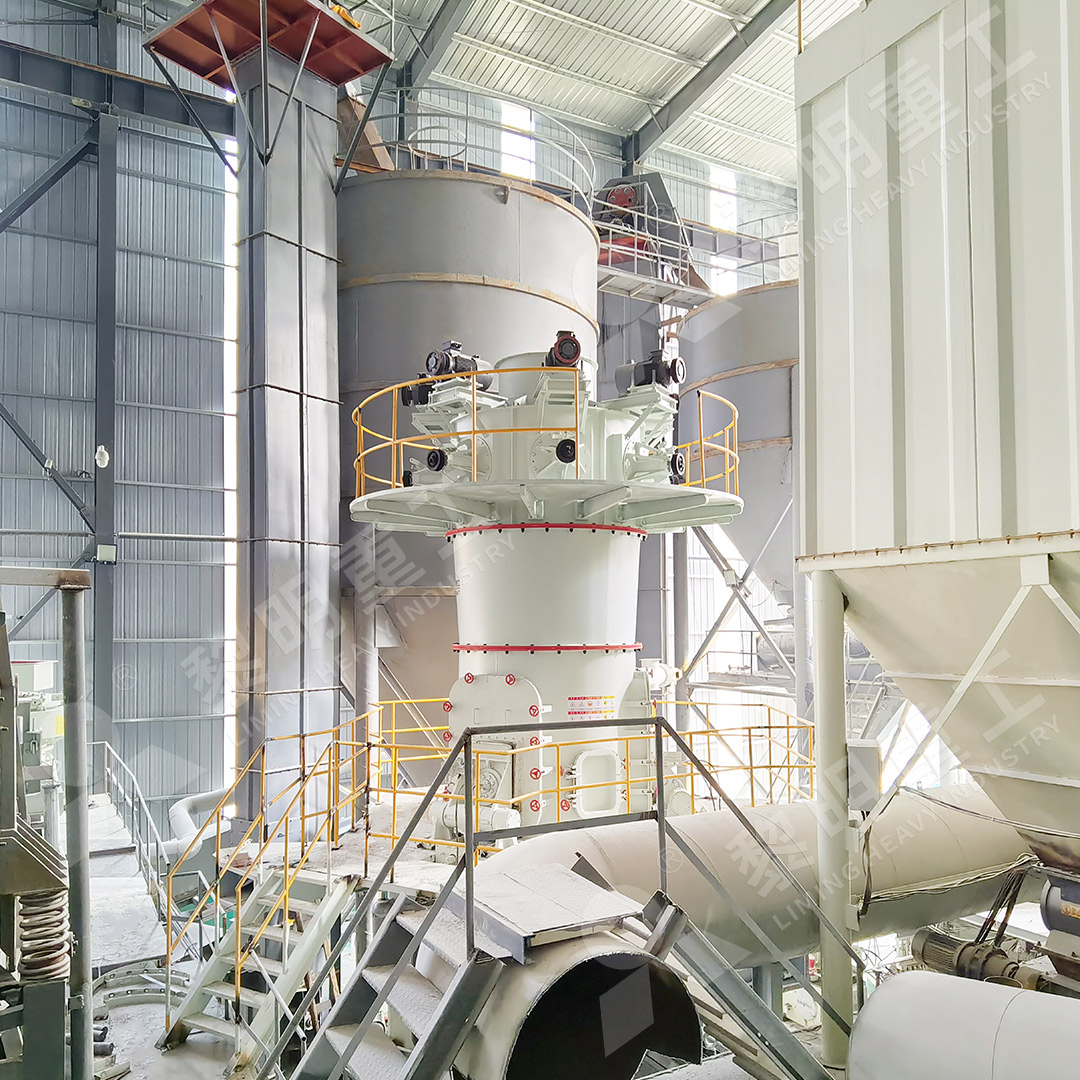
While standard VRMs offer significant advantages, cutting-edge designs push the boundaries of performance even further. A prime example is our LUM Ultrafine Vertical Grinding Mill. This mill incorporates the latest grinding roller technology and German powder separating technology, making it an exceptional choice for achieving high-precision fineness in cement and other applications.
The LUM mill’s unique roller shell and lining plate grinding curve are engineered to stabilize the material layer more effectively, enabling a high rate of finished product in a single pass. This design not only boosts grinding efficiency but also enhances the whiteness and cleanliness of the final product by reducing iron contamination. Furthermore, its multi-head powder separating technology, controlled by a PLC system, allows for precise control over product fineness with 30%-50% lower energy consumption compared to conventional mills.
4. Operational and Environmental Benefits
The efficiency gains of VRMs translate directly into tangible operational benefits. Energy savings of 30% to 50% are commonly reported. The compact, vertical design also results in a significantly smaller footprint compared to the sprawling ball mill circuit. From an environmental standpoint, the fully enclosed system operates under negative pressure, preventing dust emissions. Additionally, the lower energy consumption directly correlates to a reduced carbon footprint, a critical factor in today’s environmentally conscious market.
For operations requiring even higher levels of fineness and specialized powder processing, our MW Ultrafine Grinding Mill presents an excellent solution. With an adjustable fineness range between 325-2500 meshes and a design that eliminates rolling bearings and screws within the grinding chamber, the MW mill ensures reliable, eco-friendly operation for producing ultra-fine powders with higher yield and lower energy consumption.
5. Conclusion
The transition from ball mills to Vertical Roller Mills represents a significant leap forward in cement production technology. By leveraging a more efficient grinding principle, integrating drying and classification steps, and incorporating advanced design features like those found in the LUM and MW mills, VRMs deliver unparalleled grinding efficiency. This results in lower operating costs, enhanced product quality, and a more sustainable manufacturing process, solidifying their role as the modern solution for cement clinker grinding.
Frequently Asked Questions (FAQ)
- Q: What is the primary energy saving of a VRM compared to a ball mill?
- A: Vertical Roller Mills typically reduce energy consumption for clinker grinding by 30% to 50% compared to traditional ball mill systems.
- Q: Can a VRM handle moist raw materials?
- A: Yes, one of the key advantages of a VRM is its ability to integrate drying and grinding. Hot gases can be used to dry materials with moisture content during the grinding process itself.
- Q: How does a VRM improve product quality?
- A: VRMs produce a narrower particle size distribution and have a lower risk of over-grinding. The reduced iron contamination from mechanical wear also leads to a cleaner, higher-quality cement product.
- Q: Are VRMs suitable for grinding other materials besides cement clinker?
- A: Absolutely. VRMs are highly versatile and can be used for grinding a wide range of materials, including slag, coal, limestone, and other non-metallic minerals. Our LUM and MW series mills are specifically designed for such diverse applications.
- Q: What about the maintenance of a VRM?
- A: While VRMs have sophisticated designs, features like the reversible structure in the LUM mill allow grinding rollers to be easily swung out for maintenance, reducing downtime. Overall, maintenance requirements are generally considered manageable and comparable to modern ball mill systems.