
Super Hydraulic Limestone Grinding Mill: Key Equipment for Power Plant Desulfurization
We provide a wide range of mills — including Raymond mill, trapezoidal mill, vertical mill, ultrafine mill, and ball mill, obtained ISO9001 international quality certification, EU CE certification, and Customs Union CU-TR certification. Suitable for processing minerals such as limestone, phosphate, quicklime, kaolin, talc, barite, bentonite, calcium carbonate, dolomite, coal, gypsum, clay, carbon black, slag, cement raw materials, cement clinker, and more.
The discharge range of these mills can be adjusted to meet specific processing needs, typically from 80-400 mesh, 600-3250 mesh, and can achieve the finest particle size of up to 6000 mesh(D50).
If you are looking for a reliable grinding solution to turn stone or minerals into fine powder, please feel free to contact our online customer service.
Super Hydraulic Limestone Grinding Mill: Key Equipment for Power Plant Desulfurization
In the relentless pursuit of cleaner air and stricter environmental compliance, power plants worldwide face the critical challenge of reducing sulfur dioxide (SO₂) emissions. Flue Gas Desulfurization (FGD) systems have become the industry standard, and at the heart of an efficient wet FGD process lies the preparation of high-quality limestone slurry. The performance of the limestone grinding mill directly dictates the efficiency, cost-effectiveness, and reliability of the entire desulfurization operation.
The Critical Role of Limestone Grindability
For desulfurization to be effective, the limestone must be ground to a very specific fineness. Particles that are too coarse have a reduced surface area, leading to slower reaction rates and incomplete sulfur capture. This results in higher limestone consumption and increased waste byproduct. Conversely, over-grinding consumes excessive energy without providing significant additional benefits, driving up operational costs. The ideal mill must therefore offer precise control over the final product fineness while maintaining high energy efficiency and operational stability.
Advanced Milling Technology for Maximum Efficiency
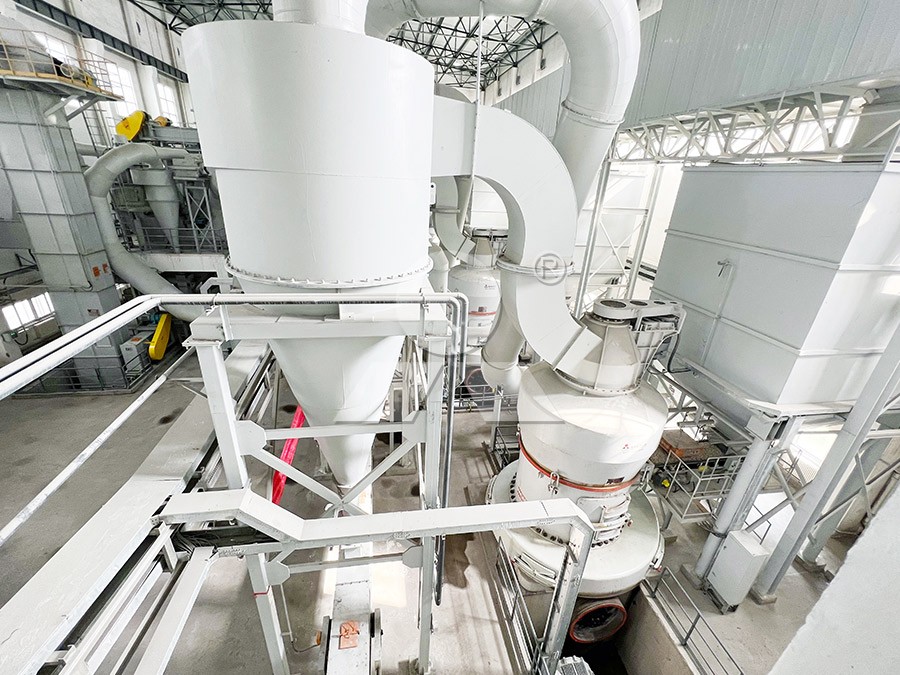
Modern power plants are increasingly moving away from traditional ball mills towards more advanced, vertical grinding solutions. These next-generation mills integrate multiple processes—crushing, grinding, drying, classifying, and conveying—into a single, compact unit. This integrated approach offers substantial advantages, including a significantly smaller footprint, lower energy consumption (often 30-40% less than ball mills), and simplified system architecture.
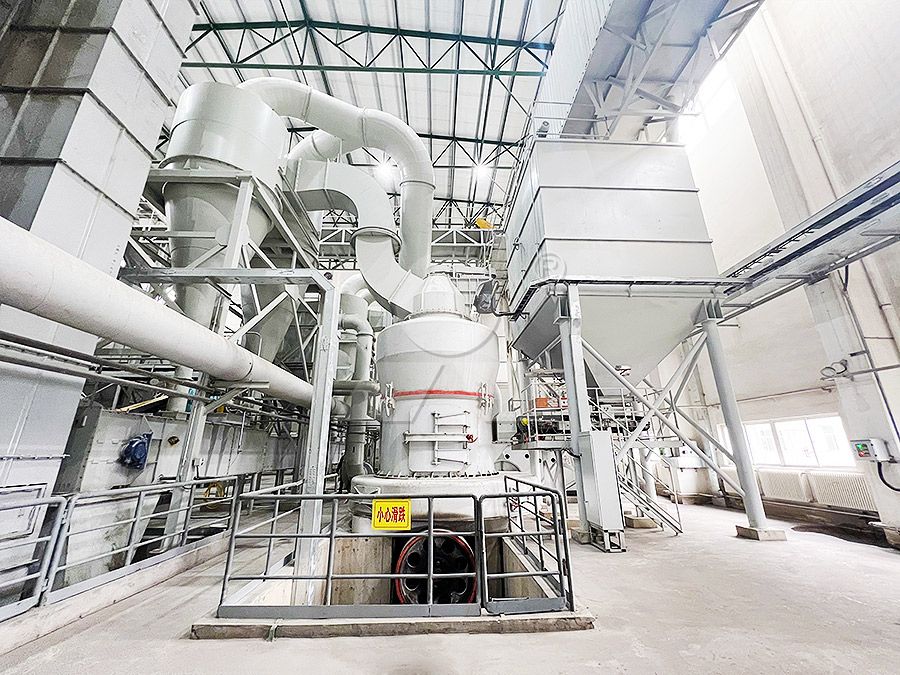
A prime example of this technological evolution is our LM Vertical Grinding Mill. Engineered for non-metallic minerals like limestone, it integrates crushing, drying, grinding, and classifying in one robust package. Its compact design reduces the occupied area by 50% compared to ball mill systems. Crucially, the material’s short residence time in the grinding chamber minimizes over-grinding and reduces the iron content in the final product, ensuring a purer, more reactive limestone powder. The mill’s operation under negative pressure guarantees a dust-free environment, aligning with the highest environmental standards.
Precision Engineering for Unmatched Performance
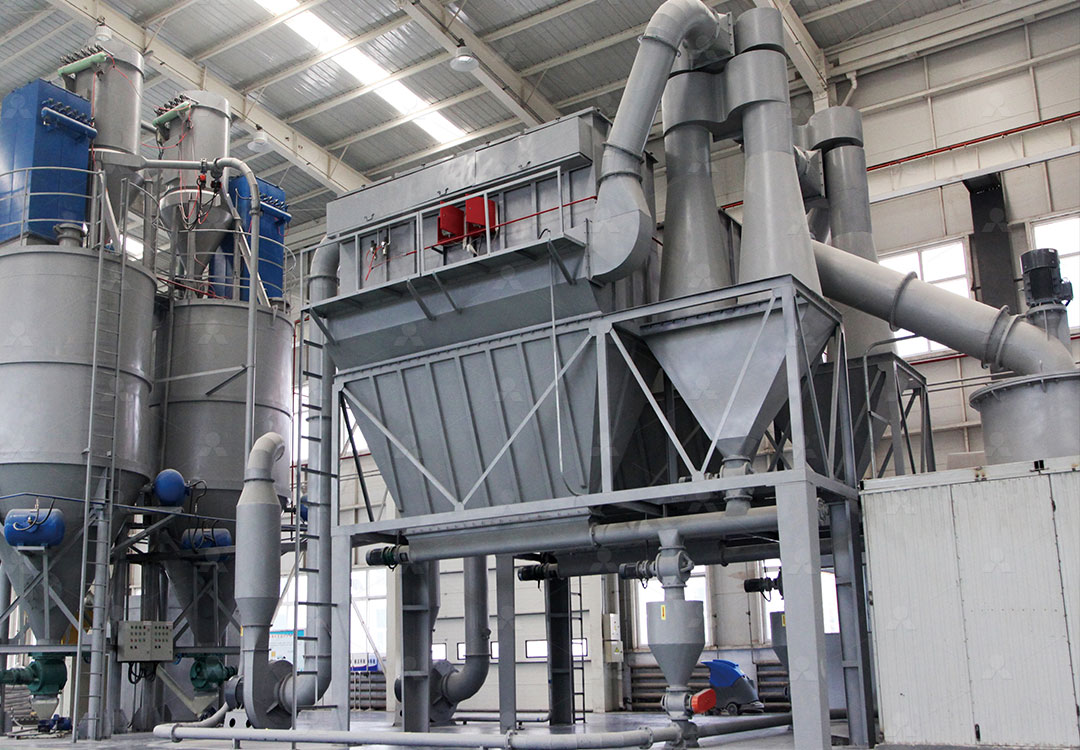
For applications requiring ultra-fine limestone powder to achieve exceptional desulfurization rates, the MW Ultrafine Grinding Mill stands out. This machine is specifically designed for customers who need to produce ultra-fine powder with superior efficiency. It features several innovative design elements that make it ideal for demanding power plant applications.
- Higher Yielding, Lower Energy Consumption: With newly designed grinding curves for the roller and ring, the MW Mill achieves a production capacity 40% higher than jet mills and double that of ball mills at the same fineness and power, while system energy consumption is just 30% of a jet mill.
- Adjustable Fineness (325-2500 meshes): Its advanced cage-type powder selector, incorporating German technology, allows for precise control over product fineness, ensuring the optimal particle size for the FGD chemical reaction.
- Worry-free Operation: A key reliability feature is the absence of rolling bearings and screws inside the grinding chamber. This eliminates common failure points and prevents machine damage from loose components. External lubrication allows for maintenance without shutdown, supporting continuous 24/7 operation.
- Eco-friendly Design: The mill is equipped with an efficient pulse dust collector and silencer, ensuring the entire milling process meets stringent national environmental protection standards for dust and noise.
The selection of the right grinding mill is not merely an equipment purchase; it is a strategic decision impacting a power plant’s environmental compliance, operational expenditure, and long-term reliability. Investing in advanced, hydraulic grinding technology like the LM Vertical Mill or the MW Ultrafine Grinding Mill provides a sustainable, efficient, and robust solution for meeting the world’s increasingly tough emissions regulations.
Frequently Asked Questions (FAQ)
What is the ideal fineness for limestone powder in wet FGD systems?
Typically, a fineness of 90% passing 325 mesh (44 microns) is considered optimal. This provides the perfect balance between high surface area for rapid reaction and reasonable grinding energy consumption.
Why are vertical grinding mills preferred over traditional ball mills for FGD?
Vertical mills offer significant advantages, including 30-50% lower energy consumption, a much smaller footprint, integrated drying capability for moist limestone, and better control over product fineness, leading to more efficient and cost-effective desulfurization.
How does the MW Ultrafine Grinding Mill ensure operational reliability?
Its reliability stems from a design that eliminates vulnerable internal components like chamber bearings and screws. Combined with an external lubrication system that allows for maintenance without shutdown, it guarantees maximum uptime, which is critical for continuous power plant operation.
Can these mills handle variations in limestone hardness?
Yes. Mills like the LM Vertical Grinding Mill feature a hydraulic system that allows the grinding pressure to be adjusted. This enables the mill to maintain stable output and product quality even when processing limestone with varying hardness levels.