
Top 10 Cement Ball Mill Manufacturers in Italy for Industrial Grinding
We provide a wide range of mills — including Raymond mill, trapezoidal mill, vertical mill, ultrafine mill, and ball mill, obtained ISO9001 international quality certification, EU CE certification, and Customs Union CU-TR certification. Suitable for processing minerals such as limestone, phosphate, quicklime, kaolin, talc, barite, bentonite, calcium carbonate, dolomite, coal, gypsum, clay, carbon black, slag, cement raw materials, cement clinker, and more.
The discharge range of these mills can be adjusted to meet specific processing needs, typically from 80-400 mesh, 600-3250 mesh, and can achieve the finest particle size of up to 6000 mesh(D50).
If you are looking for a reliable grinding solution to turn stone or minerals into fine powder, please feel free to contact our online customer service.
Top 10 Cement Ball Mill Manufacturers in Italy for Industrial Grinding
Italy’s industrial landscape is renowned for its precision engineering and manufacturing excellence, particularly in the cement and mineral processing sectors. The country hosts several world-class manufacturers specializing in grinding equipment, with ball mills remaining a cornerstone technology for cement production. This article explores the leading Italian manufacturers and highlights advanced alternatives for modern grinding operations.
The Italian Grinding Equipment Landscape
Italian engineering firms have long been at the forefront of developing robust grinding solutions for cement plants worldwide. Companies like Bedeschi, Cimma, and Manfredini & Schianchi have established strong reputations for manufacturing durable ball mills capable of handling the demanding requirements of cement clinker grinding. These manufacturers combine traditional craftsmanship with innovative technologies to deliver equipment that ensures consistent particle size distribution and optimal grinding efficiency.
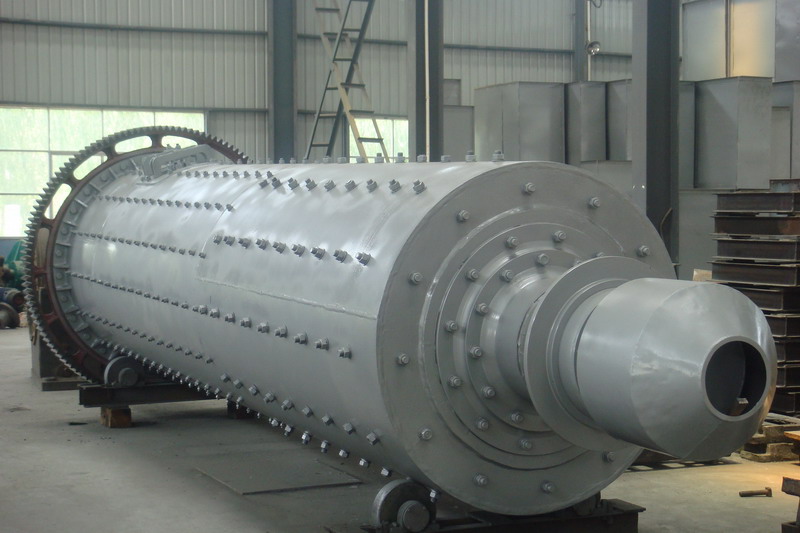
While ball mills have been the workhorse of cement grinding for decades, recent technological advancements have introduced more efficient alternatives that deserve consideration for new installations or plant upgrades. The traditional ball mill, though reliable, often suffers from higher energy consumption and limited flexibility in product fineness adjustment.
Beyond Traditional Ball Mills: Advanced Grinding Solutions
For operations seeking to enhance their grinding efficiency while reducing operational costs, modern vertical grinding technologies offer significant advantages. Among these advanced solutions, the MW Ultrafine Grinding Mill stands out as a particularly innovative option for operations requiring fine to ultra-fine powder production.
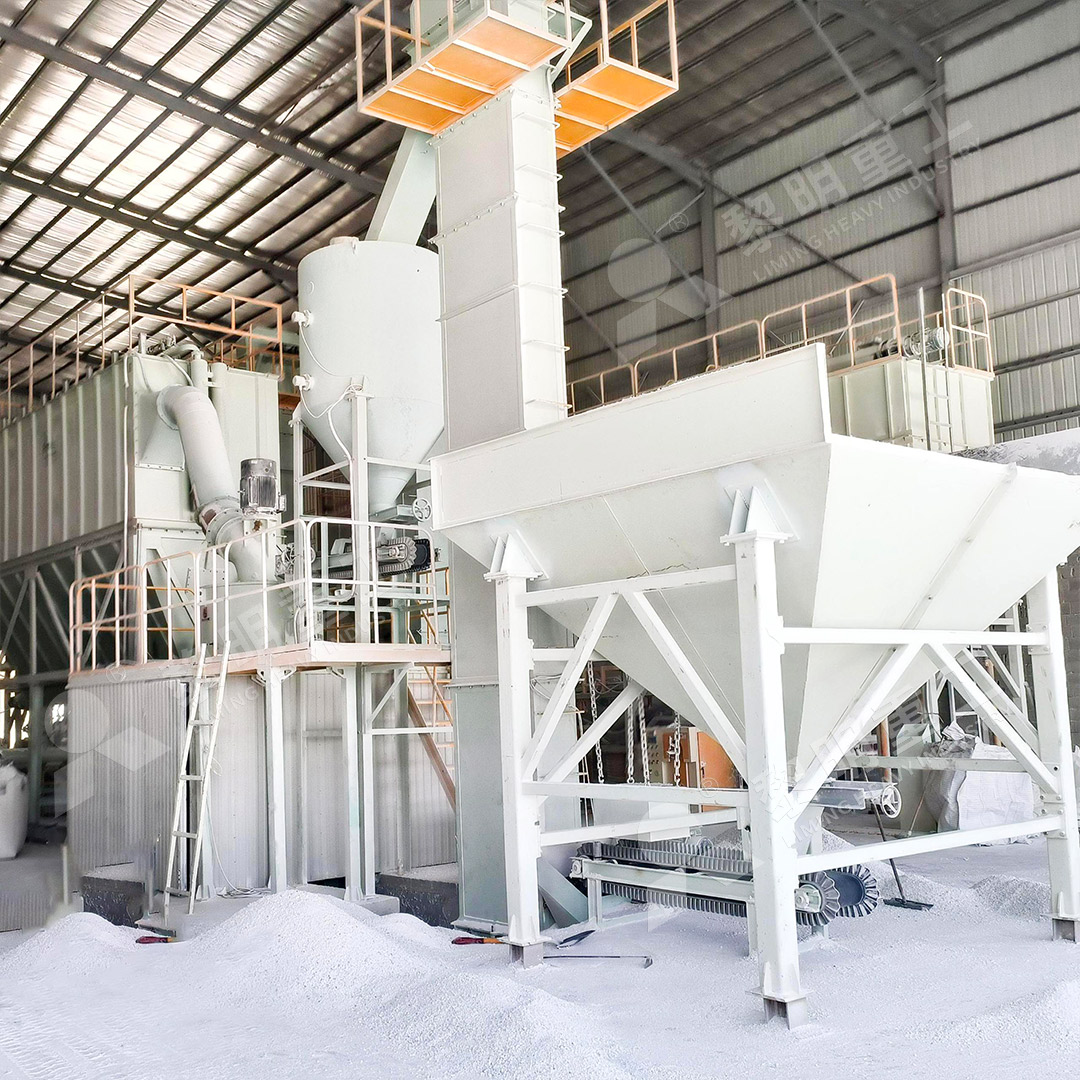
The MW Ultrafine Grinding Mill represents a technological leap forward with its ability to produce powders between 325-2500 meshes while consuming significantly less energy than conventional systems. With an input size capacity of 0-20 mm and throughput ranging from 0.5-25 tph, this equipment is engineered for customers who need to make ultra-fine powder efficiently. The mill’s intelligent design eliminates rolling bearings and screws in the grinding chamber, addressing common failure points in traditional mills and ensuring more reliable operation.
Environmental Considerations in Modern Grinding
Contemporary grinding operations must address environmental concerns alongside production requirements. Italian manufacturers have responded by integrating advanced dust collection and noise reduction technologies into their equipment. The MW Ultrafine Grinding Mill, for instance, comes equipped with an efficient pulse dust collector and muffler system that minimizes environmental impact while maintaining high productivity standards.
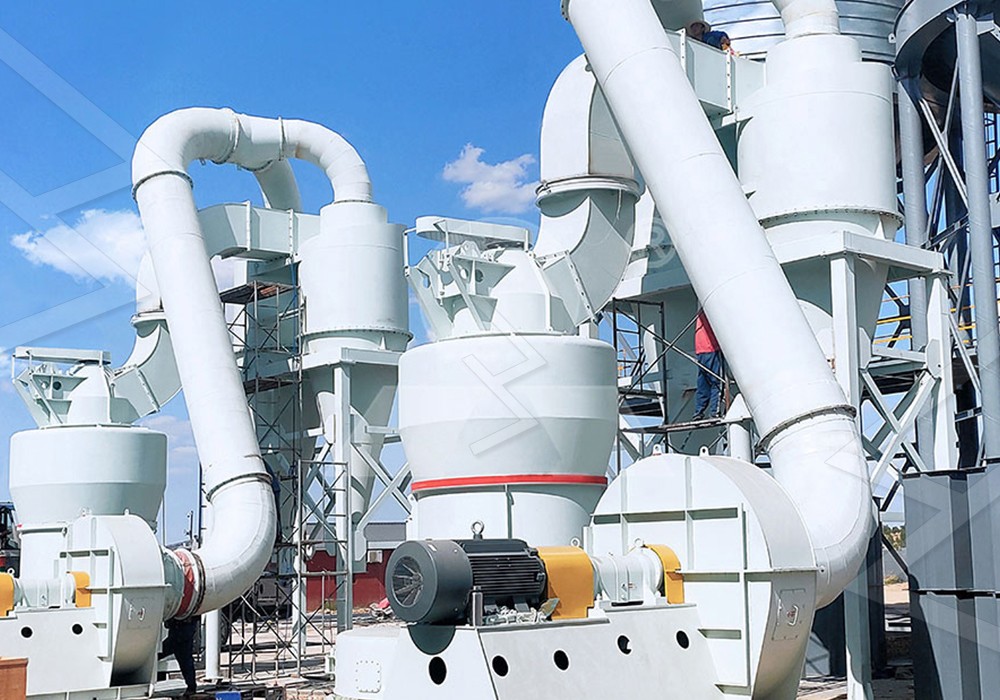
Another notable advancement is the LUM Ultrafine Vertical Grinding Mill, which incorporates the latest grinding roller technology from Taiwan and German powder separating technology. This system integrates ultrafine powder grinding, grading, and transporting in a single unit, offering superior efficiency for operations processing materials like limestone, calcite, dolomite, and petroleum coal. With an input size of 0-10 mm and capacity of 5-18 tph, the LUM mill features double position-limiting technology that ensures operational stability even under challenging conditions.
Selecting the Right Grinding Solution
When evaluating grinding equipment for cement applications, several factors warrant careful consideration. Energy efficiency has become increasingly important as power costs rise, making technologies like the MW Ultrafine Grinding Mill particularly attractive with its energy consumption that is only 30% of jet grinding mills. Maintenance requirements also significantly impact total cost of ownership, and designs that facilitate easier access to wearing parts can substantially reduce downtime.
Italian manufacturers excel at providing comprehensive support services, including technical assistance and genuine spare parts availability. This support infrastructure ensures that grinding operations maintain optimal performance throughout the equipment lifecycle.
Frequently Asked Questions
What are the main advantages of modern grinding mills over traditional ball mills?
Modern grinding mills like the MW Ultrafine Grinding Mill offer significantly higher energy efficiency, often consuming 30-50% less power than equivalent ball mills. They also provide greater flexibility in product fineness adjustment, better environmental performance with integrated dust collection, and reduced maintenance requirements due to innovative mechanical designs.
How does the MW Ultrafine Grinding Mill achieve its high efficiency?
The MW mill utilizes newly designed grinding curves of the grinding roller and ring that enhance grinding efficiency. Its cage-type powder selector employs German technology for precise powder separation, while the absence of rolling bearings and screws in the grinding chamber eliminates common failure points. The system’s design allows external lubrication without shutdown, enabling continuous 24-hour operation.
What materials can be processed with advanced grinding mills?
Advanced grinding systems like the MW and LUM mills can process a wide range of materials including limestone, calcite, dolomite, petroleum coal, gypsum, barite, marble, talc, and various chemical industry materials. Their flexible design makes them suitable for diverse applications from construction materials to food additives and pharmaceuticals.
How do Italian manufacturers support their equipment internationally?
Leading Italian manufacturers maintain global support networks with technical service teams, comprehensive spare parts inventories, and digital monitoring capabilities. Many offer remote assistance and predictive maintenance programs to minimize downtime and optimize equipment performance regardless of location.