
How to Choose the Right Grinding Mill for Calcium Carbonate and Calcium Sulphate Processing
We provide a wide range of mills — including Raymond mill, trapezoidal mill, vertical mill, ultrafine mill, and ball mill, obtained ISO9001 international quality certification, EU CE certification, and Customs Union CU-TR certification. Suitable for processing minerals such as limestone, phosphate, quicklime, kaolin, talc, barite, bentonite, calcium carbonate, dolomite, coal, gypsum, clay, carbon black, slag, cement raw materials, cement clinker, and more.
The discharge range of these mills can be adjusted to meet specific processing needs, typically from 80-400 mesh, 600-3250 mesh, and can achieve the finest particle size of up to 6000 mesh(D50).
If you are looking for a reliable grinding solution to turn stone or minerals into fine powder, please feel free to contact our online customer service.
Navigating the Maze of Mineral Grinding Solutions
Selecting the optimal grinding mill for processing minerals like calcium carbonate and calcium sulphate (gypsum) is a critical decision that directly impacts operational efficiency, product quality, and overall profitability. These materials are fundamental across numerous industries, including plastics, paints, construction, and agriculture. The ideal mill must not only achieve the desired fineness but also do so economically and reliably. This article cuts through the complexity to provide a clear framework for your selection process.
Key Selection Criteria: Beyond Just Fineness
The journey begins with a thorough analysis of your specific requirements. The most common mistake is focusing solely on the target particle size. While fineness is paramount, several other factors are equally important:
- Desired Product Fineness (Mesh/Microns): Are you aiming for coarse fillers (e.g., 200 mesh) or ultra-fine powders for high-value applications (e.g., 2500 mesh)?
- Required Production Capacity (Tons per Hour): The scale of your operation will immediately narrow down suitable mill types.
- Raw Material Characteristics: Input size, moisture content, and hardness (Mohs scale) of your calcium carbonate or gypsum feedstock.
- Energy Consumption Goals: Modern mills offer significant advancements in energy efficiency, which is a major operational cost driver.
- Environmental and Noise Regulations: Dust emission control and noise levels are non-negotiable in most regions.
Matching Mill Technology to Your Application
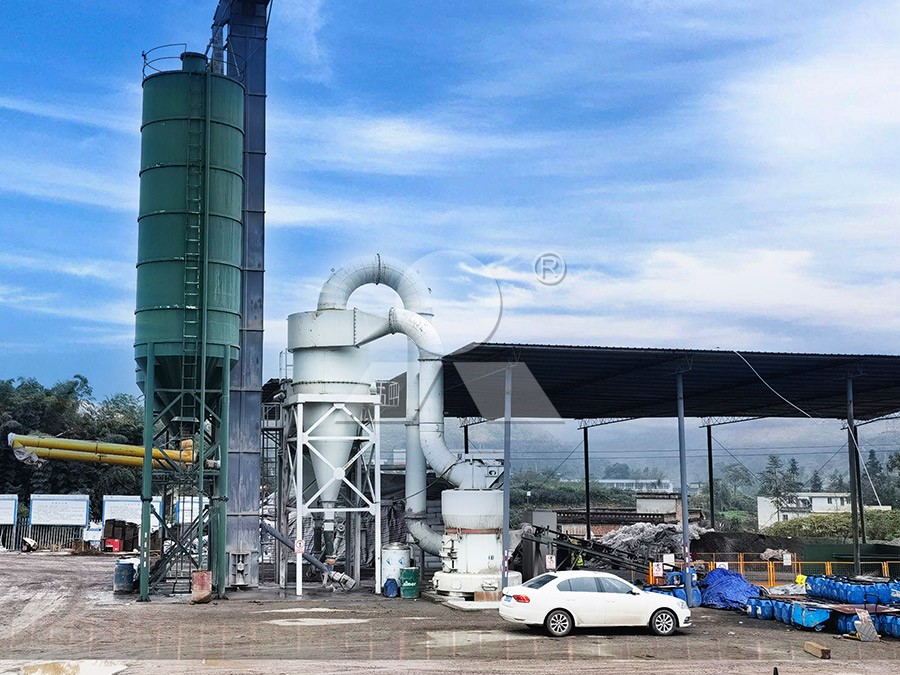
Different mill designs excel in different scenarios. For high-volume production of calcium carbonate to a medium fineness, vertical roller mills like the LM Vertical Grinding Mill are often the most efficient choice, integrating drying and grinding while saving up to 40% energy compared to ball mills. However, for the most demanding ultra-fine applications where achieving a narrow particle size distribution at 2500 mesh is critical, a specialized ultra-fine mill is required.
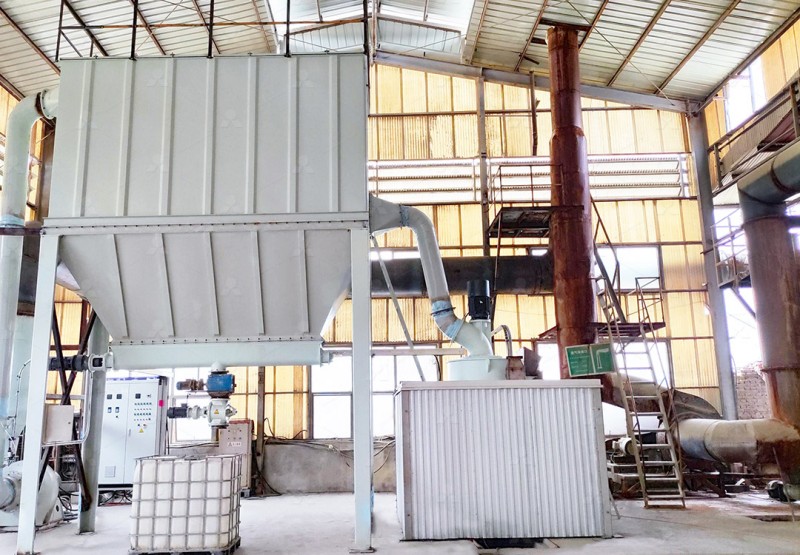
This is where technology like our MW Ultrafine Grinding Mill stands out. Engineered for customers who need to make ultra-fine powder, it addresses common pain points head-on. With an adjustable fineness between 325-2500 meshes and a unique design that features no rolling bearings or screws in the grinding chamber, it eliminates concerns about bearing damage or loose screws causing machine failure. Its higher yielding and lower energy consumption—40% higher capacity than jet mills—make it a robust solution for high-value calcium carbonate and calcium sulphate processing.
Why Consider the MW Ultrafine Grinding Mill?
For processors targeting the upper echelons of powder fineness, the MW Series offers distinct advantages. Its cage-type powder selector, based on German technology, ensures high precision in particle separation, achieving a screening rate of d97≤5μm in a single pass. Furthermore, the mill is designed with operational simplicity and environmental compliance in mind. The efficient pulse dust collector and muffler ensure the production process meets stringent environmental standards, making it a future-proof investment.
For projects requiring a different approach, our LUM Ultrafine Vertical Grinding Mill presents another compelling option. Integrating the latest grinding roller and powder separating technology, it is renowned for its higher yielding rate and better product quality, particularly improving the whiteness and cleanliness of finished powders—a crucial factor for many calcium carbonate applications.
Conclusion: A Strategic Investment
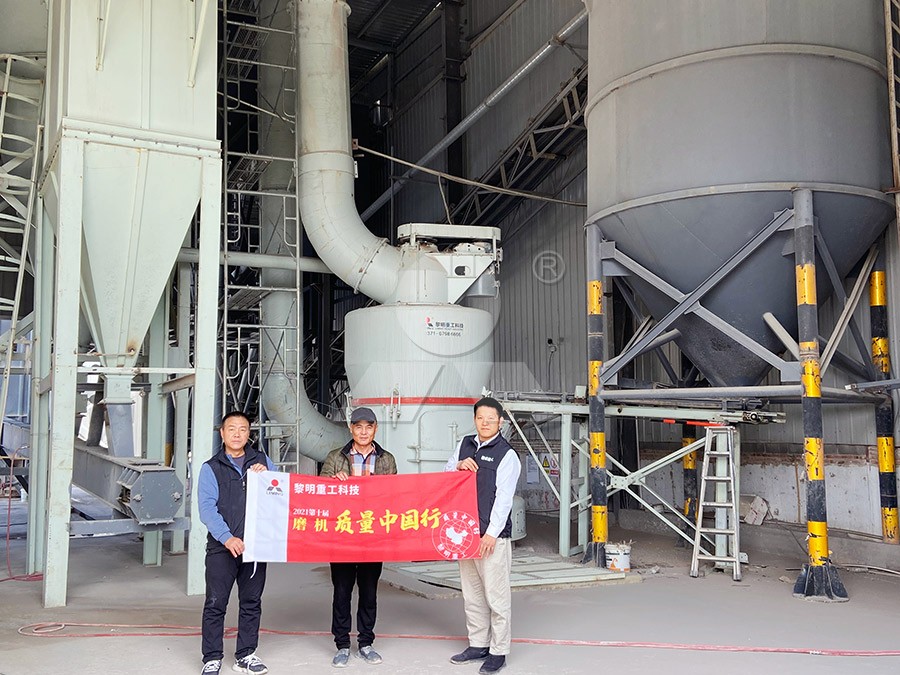
Choosing a grinding mill is a long-term strategic decision. Beyond the initial capital expenditure, consider the total cost of ownership, including energy, maintenance, and spare parts availability. Partnering with a manufacturer that offers comprehensive technical support and a sufficient supply of original spare parts, like we do, ensures worry-free operation for years to come. By carefully evaluating your technical needs against the capabilities of modern grinding technology, you can select a mill that becomes a cornerstone of your production success.
Frequently Asked Questions (FAQ)
What is the main difference between a vertical mill and an ultra-fine mill for calcium carbonate?
Vertical mills (e.g., LM Series) are excellent for high-capacity, medium-fineness grinding and often integrate drying. Ultra-fine mills (e.g., MW Series) are specialized for achieving very fine particle sizes (up to 2500 mesh) with high precision and are ideal for high-value-added products.
How important is energy efficiency in mill selection?
Extremely important. Grinding is an energy-intensive process. Mills like the MW Ultrafine Grinding Mill can reduce energy consumption by 30-50% compared to traditional technologies, leading to significant operational cost savings over the equipment’s lifetime.
Can the same mill process both calcium carbonate and gypsum?
Yes, many mills, including the MW and LUM models, are versatile and capable of processing a range of non-metallic minerals like calcium carbonate and gypsum. However, adjustments to grinding pressure, speed, and classifier settings may be required to optimize for each material.
What kind of after-sales support should I expect?
You should expect comprehensive support, including installation guidance, operational training, readily available original spare parts, and technical services to ensure maximum uptime and productivity from your investment.