
Premium Crusher Grinder Factory in China: How to Identify True Quality
We provide a wide range of mills — including Raymond mill, trapezoidal mill, vertical mill, ultrafine mill, and ball mill, obtained ISO9001 international quality certification, EU CE certification, and Customs Union CU-TR certification. Suitable for processing minerals such as limestone, phosphate, quicklime, kaolin, talc, barite, bentonite, calcium carbonate, dolomite, coal, gypsum, clay, carbon black, slag, cement raw materials, cement clinker, and more.
The discharge range of these mills can be adjusted to meet specific processing needs, typically from 80-400 mesh, 600-3250 mesh, and can achieve the finest particle size of up to 6000 mesh(D50).
If you are looking for a reliable grinding solution to turn stone or minerals into fine powder, please feel free to contact our online customer service.
Premium Crusher Grinder Factory in China: How to Identify True Quality
Navigating the landscape of industrial grinding equipment manufacturers in China can be a daunting task. With countless suppliers claiming superiority, discerning genuine quality from marketing hype requires a keen eye for specific engineering and manufacturing details. True quality is not just about specifications on a datasheet; it’s about robust design, precision manufacturing, reliable performance, and long-term operational stability.
Key Indicators of a High-Quality Grinding Mill
When evaluating a crusher grinder factory, several critical factors separate industry leaders from average manufacturers. First, examine the core design philosophy. Advanced mills incorporate features that address common industry pain points: energy consumption, maintenance downtime, and consistent product fineness.
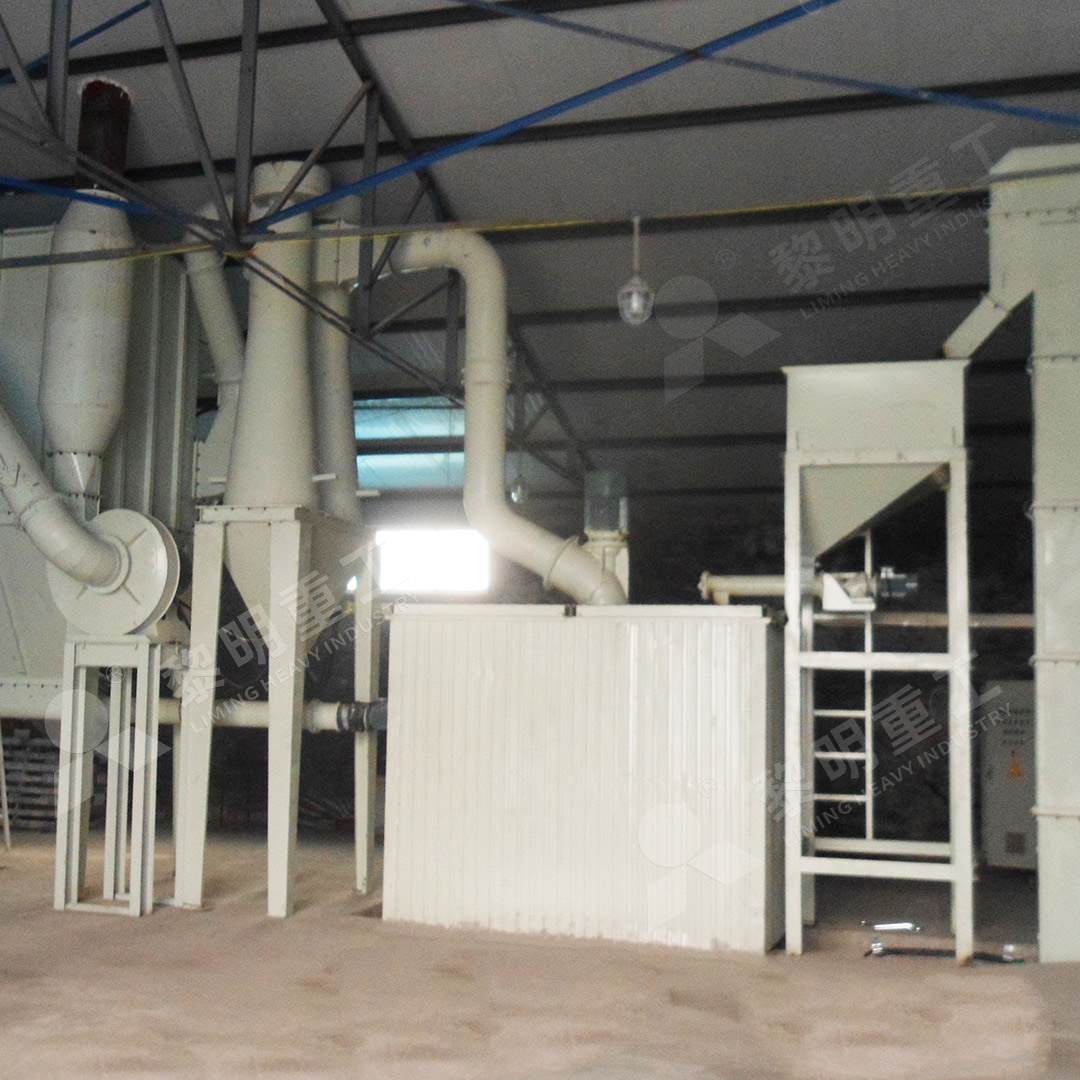
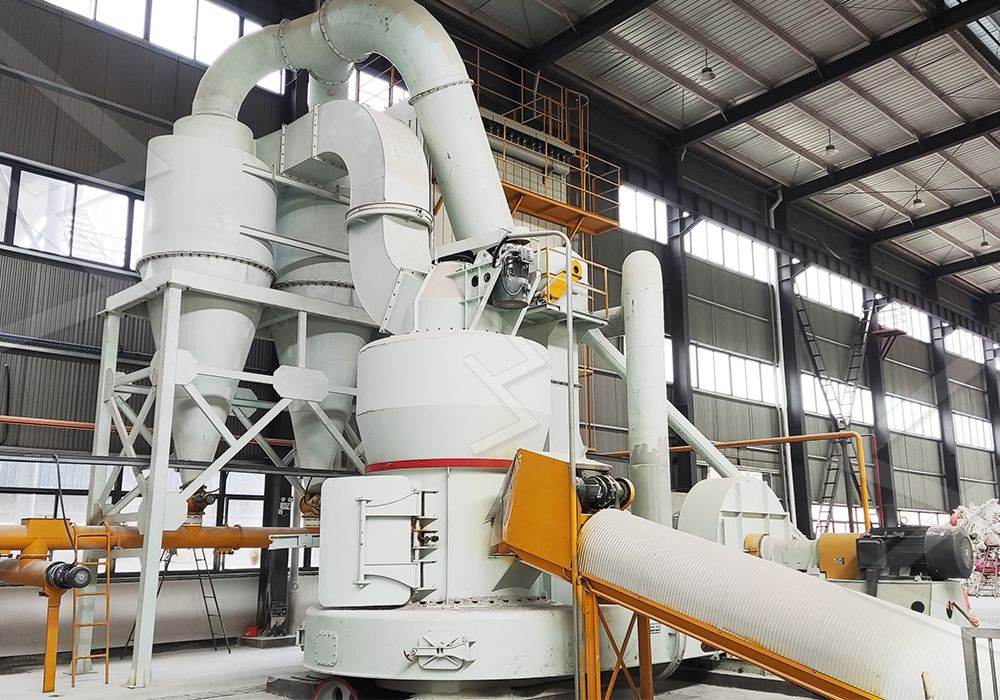
For operations requiring ultra-fine powders, the MW Ultrafine Grinding Mill stands as a prime example of intelligent design. This machine is engineered for customers who need to produce ultra-fine powder efficiently. A significant advantage is its higher yielding capacity at lower energy consumption. With newly designed grinding curves for the roller and ring, its production capacity is 40% higher than jet or stirred grinding mills, while system energy consumption is just 30% of a jet mill. Its cage-type powder selector, incorporating German technology, allows for precise fineness adjustment between 325 and 2500 meshes, achieving a screening rate of d97≤5μm in a single pass.
Another hallmark of quality is a design that minimizes maintenance headaches. Look for features that enhance reliability. The MW Ultrafine Grinding Mill, for instance, has no rolling bearings or screws inside the grinding chamber. This eliminates concerns about bearing damage or machine failure due to loose screws. An external lubricating device allows for lubrication without shutdown, supporting continuous 24/7 production—a crucial feature for high-volume operations.
Beyond the Machine: The Importance of Digital Precision and Support
A premium factory invests heavily in its manufacturing processes. The use of digitalized processing with dozens of lines of numerical control (NC) machine tools for cutting, bending, and milling ensures high precision, especially for core components. This translates to better machine alignment, smoother operation, and longer service life.
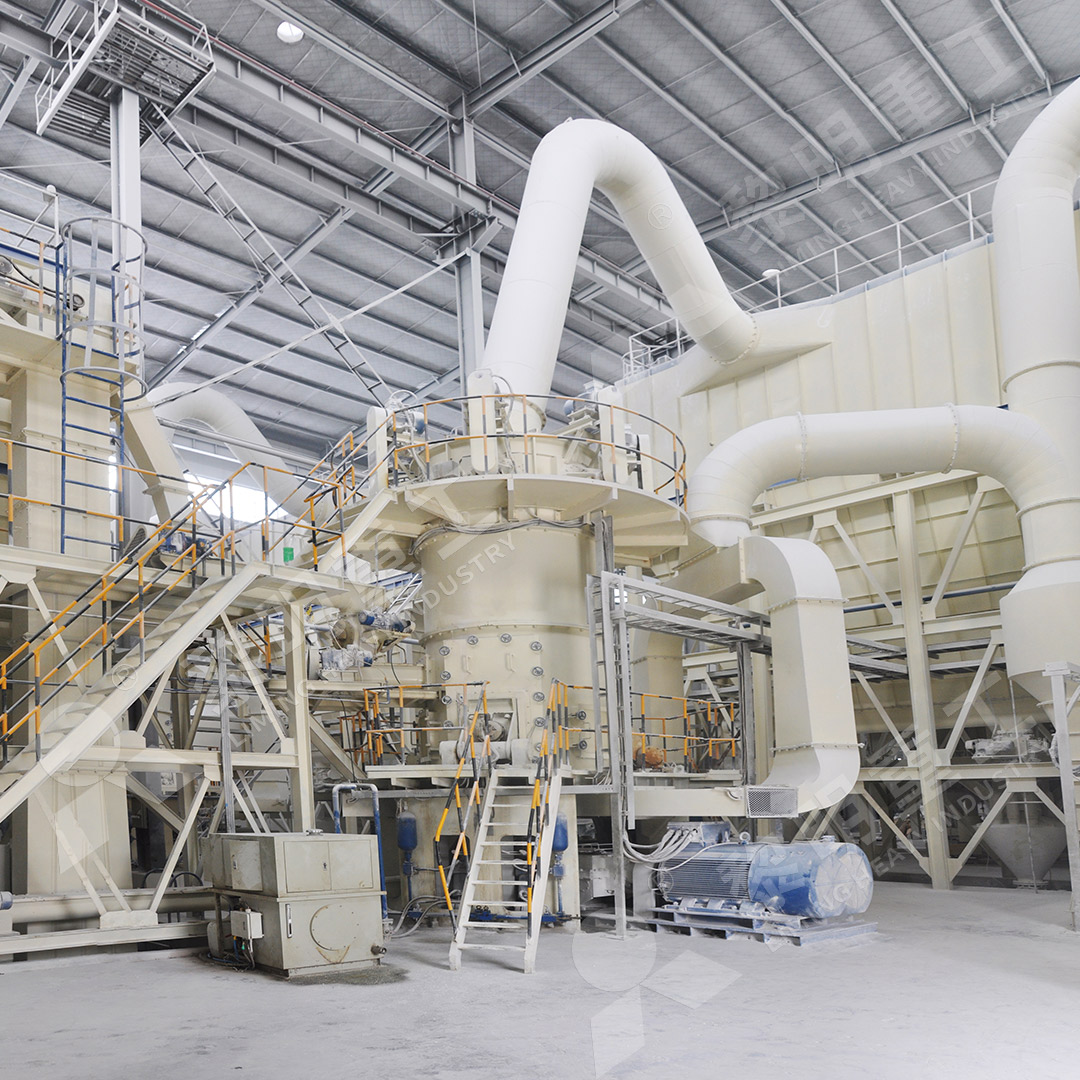
For applications demanding even greater efficiency in a vertical configuration, the LUM Ultrafine Vertical Grinding Mill is a top-tier choice. Independently designed with the latest Taiwanese grinding roller and German powder separating technology, it integrates grinding, grading, and transporting. Its unique roller shell and lining plate grinding curve make it easier to generate a material layer, enabling a high rate of finished product in a single pass. This design improves both the working efficiency and the whiteness/cleanliness of the final product. Furthermore, its reversible structure, a thoughtful solution to the problem of maintaining heavy grinding rollers, allows operators to easily move the roller out of the body for inspection and part replacement, drastically reducing downtime.
Environmental and Operational Considerations
Modern industrial equipment must be environmentally responsible. A quality mill will incorporate effective dust and noise control systems. The MW Ultrafine Grinding Mill is equipped with an efficient pulse dust collector and muffler, ensuring the entire milling system operates without dust pollution and within national environmental protection standards.
Finally, a reliable manufacturer stands behind its products with comprehensive technical support and a sufficient supply of original spare parts. This commitment to worry-free operation is a non-negotiable aspect of true quality, ensuring that your investment is protected for the long term.
Frequently Asked Questions (FAQ)
What is the most important feature to look for in an ultrafine grinding mill?
While many features are important, energy efficiency coupled with high yield is paramount. A mill that produces more output per unit of energy significantly reduces operating costs. The MW Ultrafine Grinding Mill’s design, which offers 40% higher capacity than comparable mills with 70% less energy consumption, is a benchmark.
How can I minimize maintenance downtime?
Choose a mill designed for easy maintenance. Features like an external lubrication system (allowing lubrication without shutdown), the absence of internal screws and bearings prone to failure (as seen in the MW Mill), and a reversible structure for easy roller access (like in the LUM Mill) are critical for minimizing downtime.
Why is digitalized processing mentioned as a sign of quality?
Digitalized processing via NC machine tools guarantees high precision in the manufacturing of core parts. This precision results in better machine balance, reduced vibration, less wear and tear, and ultimately, a more reliable and consistent performing mill.
Can these mills handle different materials?
Yes, high-quality mills like the MW and LUM are versatile. They are suitable for a wide range of materials including limestone, calcite, dolomite, gypsum, barite, talc, and coal powder, making them ideal for industries like chemicals, paints, cosmetics, and food additives.