
Cost Analysis of Grinding Systems for Xinjiang Electrolytic Aluminum Waste Slag
We provide a wide range of mills — including Raymond mill, trapezoidal mill, vertical mill, ultrafine mill, and ball mill, obtained ISO9001 international quality certification, EU CE certification, and Customs Union CU-TR certification. Suitable for processing minerals such as limestone, phosphate, quicklime, kaolin, talc, barite, bentonite, calcium carbonate, dolomite, coal, gypsum, clay, carbon black, slag, cement raw materials, cement clinker, and more.
The discharge range of these mills can be adjusted to meet specific processing needs, typically from 80-400 mesh, 600-3250 mesh, and can achieve the finest particle size of up to 6000 mesh(D50).
If you are looking for a reliable grinding solution to turn stone or minerals into fine powder, please feel free to contact our online customer service.
Cost Analysis of Grinding Systems for Xinjiang Electrolytic Aluminum Waste Slag
The electrolytic aluminum industry in Xinjiang generates substantial amounts of waste slag, presenting both an environmental challenge and a potential economic opportunity. The efficient processing of this material into valuable fine powders requires specialized grinding systems where operational costs, energy consumption, and final product quality are paramount. This analysis examines the key cost factors involved and explores optimal technological solutions for this specific application.
Key Cost Drivers in Slag Grinding Operations
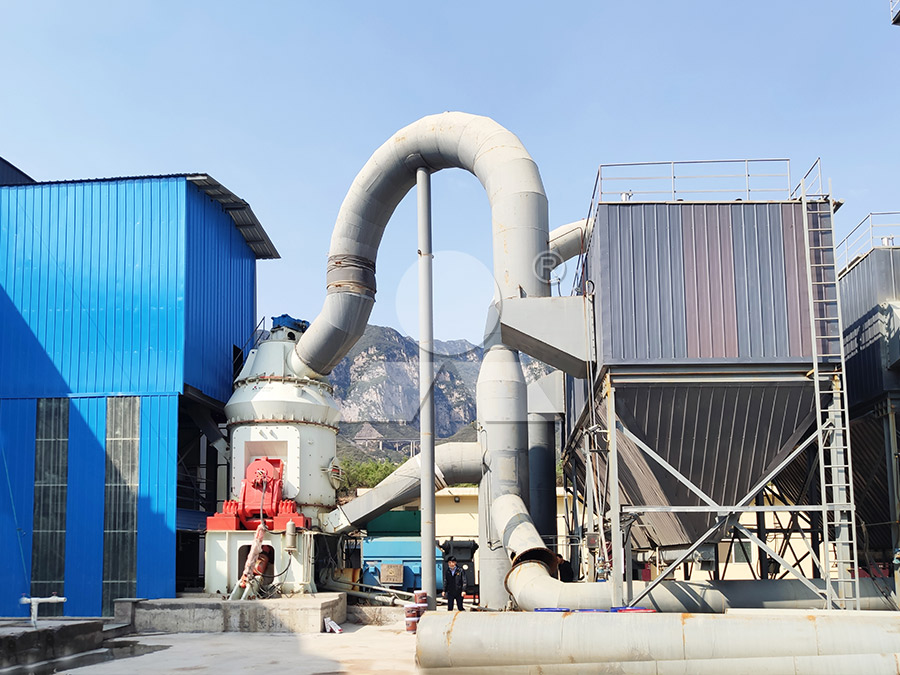
Processing electrolytic aluminum slag involves several critical cost components that directly impact operational economics. Energy consumption typically represents 40-60% of total operating costs in grinding applications, making mill efficiency a primary consideration. Wear part replacement constitutes another significant expense, particularly when processing abrasive materials like aluminum slag. Additionally, maintenance downtime, labor requirements, and environmental compliance costs must be carefully evaluated when selecting grinding equipment.
The unique properties of electrolytic aluminum slag—including its abrasiveness, moisture content, and desired fineness for subsequent applications—demand specialized milling approaches. Traditional ball mills, while having lower initial investment, often prove inefficient for this application due to high energy consumption and excessive wear. More advanced grinding technologies offer superior economic performance through optimized grinding mechanisms and reduced operating expenses.
Advanced Grinding Technologies for Optimal Economics
Modern vertical grinding mills and specialized ultrafine grinding systems have demonstrated significant advantages for aluminum slag processing. These systems integrate multiple processes—crushing, drying, grinding, and classification—into single units, reducing both footprint and operational complexity. The vertical mill configuration naturally lends itself to efficient material transport and classification, minimizing energy waste.
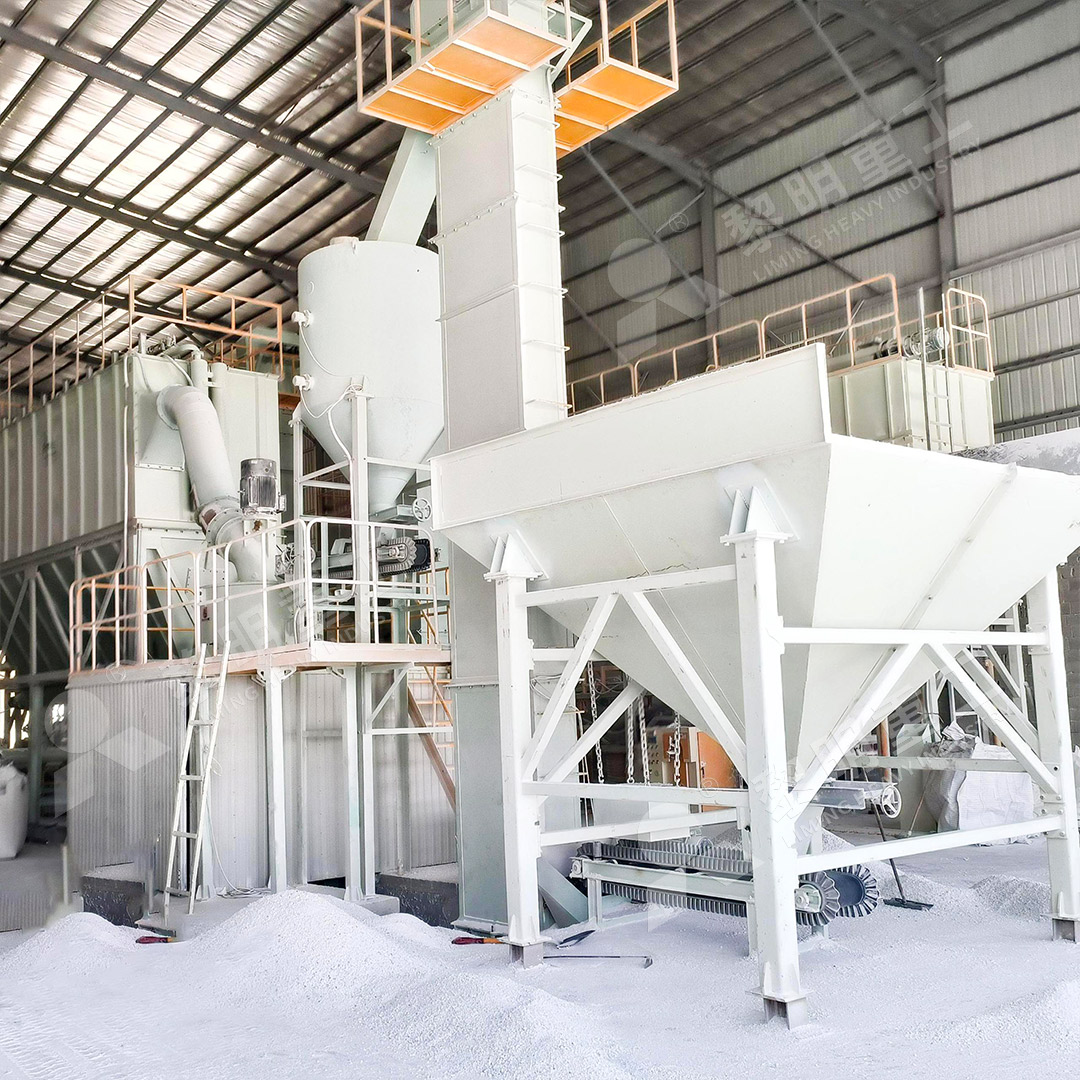
For operations requiring ultra-fine powders (325-2500 meshes), the MW Ultrafine Grinding Mill presents an excellent solution. With an input size capacity of 0-20 mm and throughput ranging from 0.5-25 tph, this system is particularly well-suited for aluminum slag applications. Its innovative design eliminates rolling bearings and screws from the grinding chamber, addressing common failure points in abrasive environments. The mill’s higher yielding capacity at lower energy consumption—reportedly 40% higher than jet mills and twice that of ball mills—directly translates to reduced operating costs. The integrated pulse dust collector ensures environmental compliance while minimizing additional filtration investments.
Total Cost of Ownership Considerations
Beyond initial equipment costs, operators must consider the complete lifecycle expenses. Equipment reliability, maintenance requirements, and spare parts availability significantly impact long-term operational economics. Systems with external lubrication capabilities, like the MW Ultrafine Grinding Mill, enable continuous 24-hour operation without shutdowns for maintenance, maximizing production uptime.
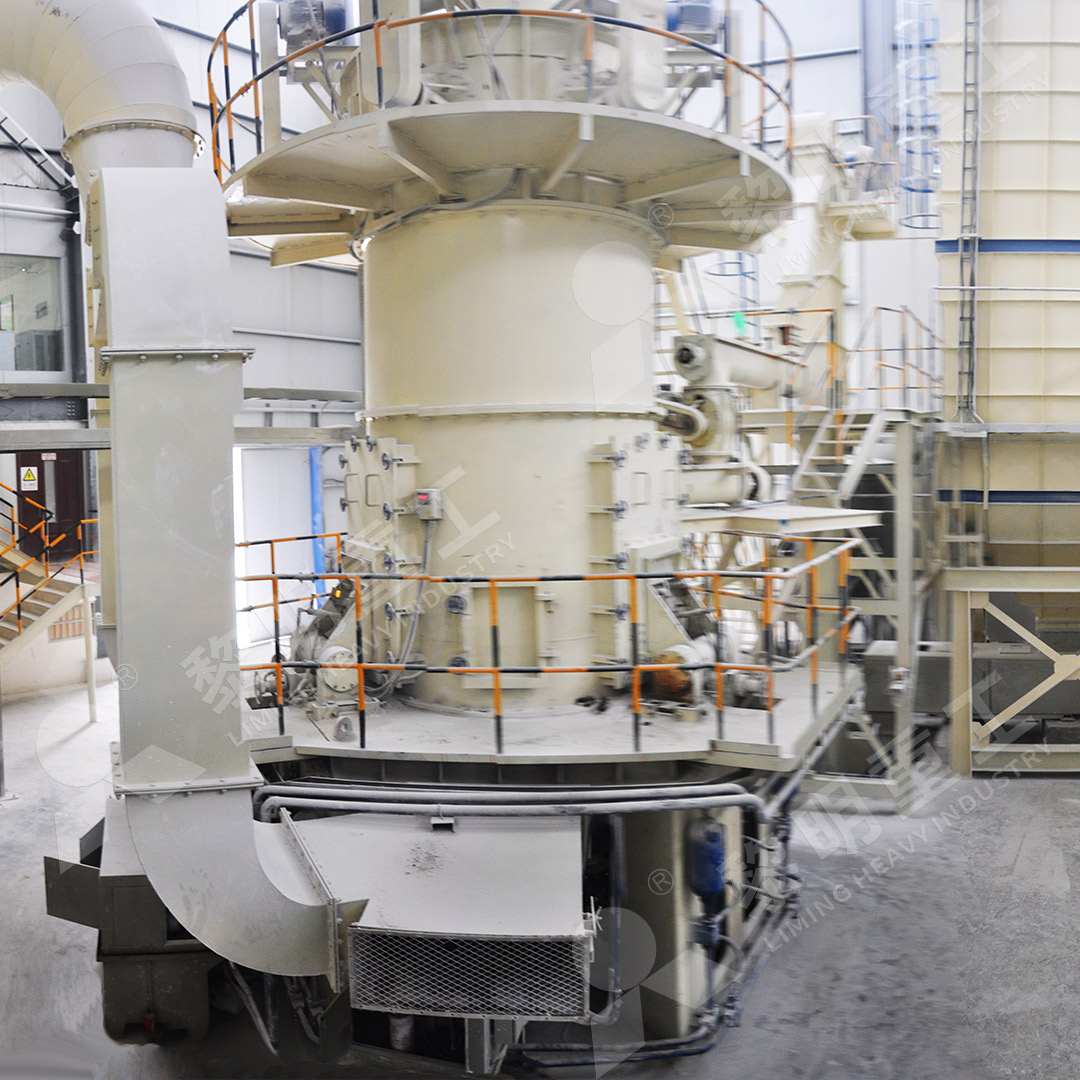
For operations prioritizing high-capacity processing with integrated drying capabilities, the LUM Ultrafine Vertical Grinding Mill offers compelling advantages. Handling input sizes up to 10 mm with capacities of 5-18 tph, this system incorporates advanced powder separating technology and reversible roller structures that simplify maintenance. The double position-limiting technology ensures operational stability when processing variable slag materials, reducing unexpected downtime costs.
Both systems feature digitalized processing for higher precision components and comprehensive spare parts support, minimizing lifecycle costs through reduced maintenance intervals and extended equipment longevity.
Environmental Compliance and Operational Efficiency
Xinjiang’s stringent environmental regulations necessitate grinding systems with integrated pollution control. Modern mills with pulse dust collectors and noise reduction technologies help operations maintain compliance without additional capital investments in separate environmental systems. The closed-system designs prevent material loss and minimize waste, contributing to both environmental sustainability and economic efficiency.
Frequently Asked Questions
What is the typical energy consumption for grinding electrolytic aluminum slag?
Energy consumption varies significantly based on the grinding technology employed. Advanced vertical mills typically consume 30-50% less energy than traditional ball mills for equivalent output. The MW Ultrafine Grinding Mill, for instance, operates at approximately 30% of the energy consumption of jet milling systems.
How does the abrasiveness of aluminum slag impact equipment longevity?
Aluminum slag’s abrasive nature accelerates wear on grinding components. Systems designed with wear-resistant alloys and without internal bearings in the grinding chamber, such as the MW Ultrafine Grinding Mill, demonstrate significantly extended service life—often 1.7-2.5 times longer than conventional systems.
What fineness can be achieved when processing aluminum slag?
Modern grinding systems can achieve fineness levels between 325-2500 meshes. The MW Ultrafine Grinding Mill’s cage-type powder selector enables precise control within this range, with screening rates achieving d97≤5μm in a single pass.
How important is integrated drying capability for aluminum slag processing?
Integrated drying is crucial for materials with variable moisture content. Systems like the LUM Ultrafine Vertical Grinding Mill combine grinding and drying processes, eliminating the need for separate drying equipment and reducing overall system complexity and cost.
What maintenance considerations are specific to aluminum slag grinding?
Key considerations include easy access to wear parts, external lubrication systems to avoid contamination, and reversible components to extend service intervals. Systems designed with these features significantly reduce maintenance downtime and associated costs.