
Lead Mill Machine: Essential Equipment for Lead Metal Smelting Plants
We provide a wide range of mills — including Raymond mill, trapezoidal mill, vertical mill, ultrafine mill, and ball mill, obtained ISO9001 international quality certification, EU CE certification, and Customs Union CU-TR certification. Suitable for processing minerals such as limestone, phosphate, quicklime, kaolin, talc, barite, bentonite, calcium carbonate, dolomite, coal, gypsum, clay, carbon black, slag, cement raw materials, cement clinker, and more.
The discharge range of these mills can be adjusted to meet specific processing needs, typically from 80-400 mesh, 600-3250 mesh, and can achieve the finest particle size of up to 6000 mesh(D50).
If you are looking for a reliable grinding solution to turn stone or minerals into fine powder, please feel free to contact our online customer service.
Lead Mill Machine: Essential Equipment for Lead Metal Smelting Plants
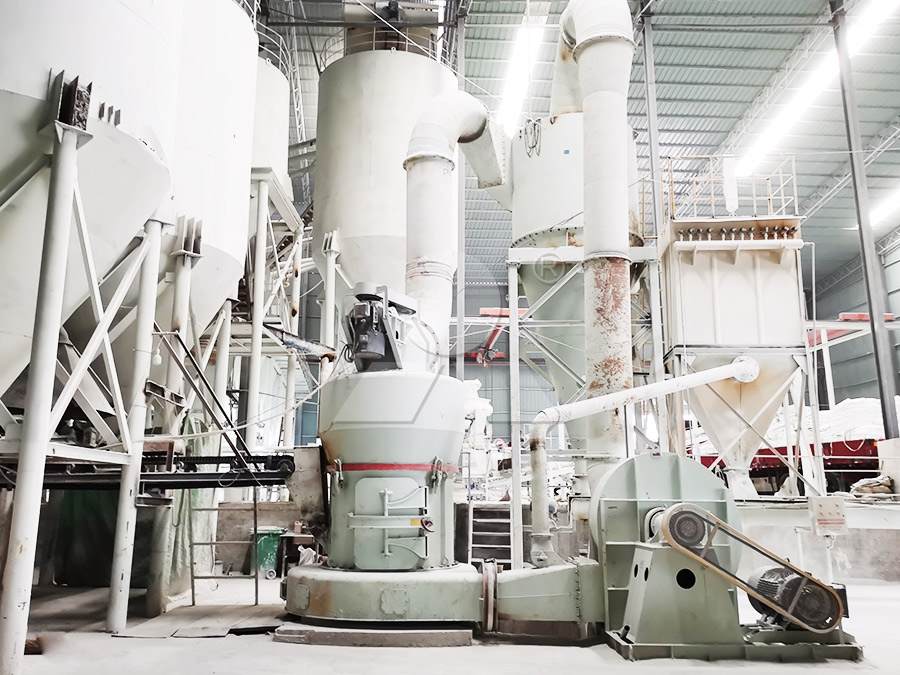
In the specialized world of lead metal smelting, the efficiency of the entire production line hinges on the performance of one critical piece of equipment: the lead mill machine. These mills are responsible for reducing lead-bearing materials to a precise, consistent powder, a fundamental step that directly impacts the quality, yield, and environmental footprint of the final smelting process.
The Critical Role of Grinding in Lead Smelting
Lead ore concentrates or recycled lead materials must be finely ground to increase the surface area for subsequent chemical reactions during smelting. A uniform particle size ensures consistent heat transfer and reaction rates in the furnace, leading to higher metal recovery and purity. Inadequate grinding can result in incomplete smelting, higher energy consumption, and increased slag formation. Therefore, selecting a mill designed for the specific physical characteristics of lead materials—which can be abrasive and dense—is paramount for operational success.
Key Considerations for Lead-Specific Milling
Not all grinding mills are created equal for lead processing. Key factors include the mill’s ability to handle the material’s density, resist abrasion, and operate with minimal dust emission to protect worker health and the environment. Furthermore, energy efficiency is a major cost driver, making modern, optimized mills a smarter long-term investment.
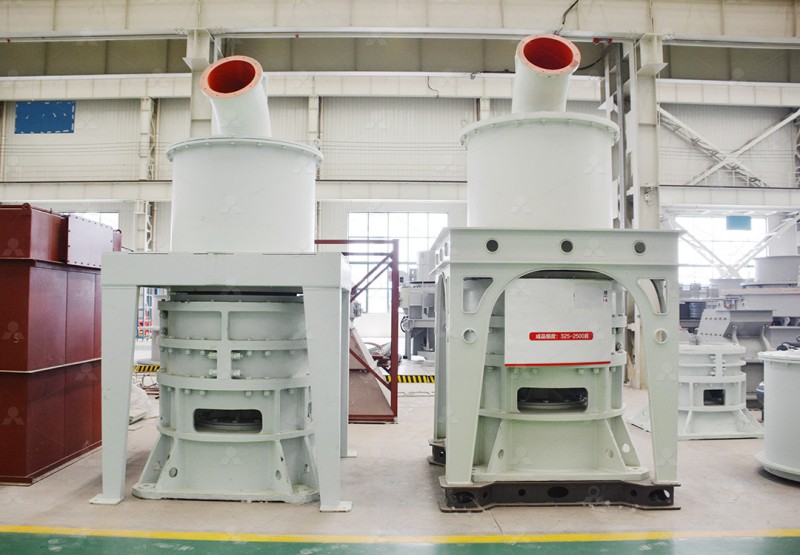
For operations requiring ultra-fine powders to maximize smelting efficiency, the MW Ultrafine Grinding Mill presents an excellent solution. This machine is engineered for customers who need to produce precisely controlled ultra-fine powder. With an input size of 0-20 mm and a capacity ranging from 0.5 to 25 tons per hour, it is well-suited for various lead processing scales. A significant advantage is its design, which features no rolling bearings or screws inside the grinding chamber. This eliminates concerns about bearing damage or machine failure from loose screws, a crucial benefit for maintaining continuous, worry-free operation in a demanding smelting plant environment.
Advanced Technology for Enhanced Performance and Sustainability
The MW Ultrafine Grinding Mill incorporates advanced features that make it particularly suitable for lead applications. Its cage-type powder selector allows for precise fineness adjustment between 325 and 2500 meshes, ensuring the optimal powder size for the smelting furnace. Perhaps most importantly for lead plants, it is equipped with an efficient pulse dust collector and muffler. This system effectively contains lead dust, minimizing occupational exposure and environmental release, aligning with stringent international health and safety standards.
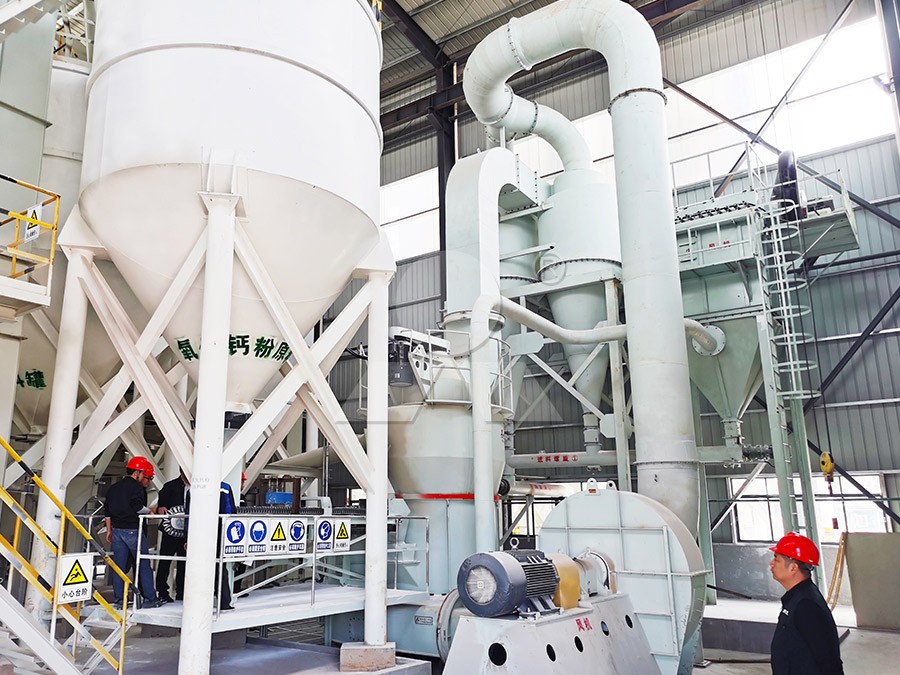
Another robust option for lead processing is the LUM Ultrafine Vertical Grinding Mill. This mill integrates grinding, grading, and transporting into a single, compact unit. Its unique roller shell and lining plate grinding curve are designed to efficiently handle materials like lead, promoting a stable material layer for consistent grinding. The LUM mill’s reversible structure is a standout feature for maintenance; the grinding rollers can be easily hydraulically moved out of the mill body for inspection or part replacement, drastically reducing downtime—a critical factor in continuous smelting operations.
Conclusion
Investing in the right lead mill machine is not merely a purchase of equipment; it is an investment in the smelting plant’s overall productivity, product quality, and regulatory compliance. Modern mills like the MW and LUM series offer the technological edge needed to stay competitive in today’s market, combining high efficiency, operational reliability, and essential environmental safeguards.
Frequently Asked Questions (FAQ)
What fineness can be achieved for lead powder with your mills?
Our MW Ultrafine Grinding Mill can adjust product fineness between 325 and 2500 meshes (d97≤5μm), providing the precise consistency required for efficient smelting.
How do your mills address dust control, which is critical for lead?
Both the MW and LUM mills are equipped with high-efficiency pulse dust collection systems. These systems ensure that the entire milling process operates under negative pressure, effectively capturing lead dust and preventing its release into the working environment.
What are the maintenance advantages for these mills in a heavy-duty lead plant?
The MW Mill’s design with no internal bearings or screws in the grinding chamber minimizes failure points. The LUM Mill features a reversible hydraulic system that allows grinding rollers to be easily serviced outside the mill body, significantly simplifying and speeding up maintenance procedures.
Are these mills energy-efficient?
Yes. Compared to traditional ball mills or jet mills, our advanced grinding mills can reduce energy consumption by 30% to 50%, offering substantial savings on operational costs.