
Market Share Analysis of Mica Powder: Key Producers and Industry Trends 2024
We provide a wide range of mills — including Raymond mill, trapezoidal mill, vertical mill, ultrafine mill, and ball mill, obtained ISO9001 international quality certification, EU CE certification, and Customs Union CU-TR certification. Suitable for processing minerals such as limestone, phosphate, quicklime, kaolin, talc, barite, bentonite, calcium carbonate, dolomite, coal, gypsum, clay, carbon black, slag, cement raw materials, cement clinker, and more.
The discharge range of these mills can be adjusted to meet specific processing needs, typically from 80-400 mesh, 600-3250 mesh, and can achieve the finest particle size of up to 6000 mesh(D50).
If you are looking for a reliable grinding solution to turn stone or minerals into fine powder, please feel free to contact our online customer service.
Market Share Analysis of Mica Powder: Key Producers and Industry Trends 2024
The global mica powder market continues to demonstrate robust growth in 2024, driven by expanding applications across cosmetics, paints, plastics, and construction industries. With increasing demand for high-quality, finely ground mica, production technologies have become a critical differentiator among market leaders. This analysis examines the current competitive landscape and technological advancements shaping the industry.
Current Market Landscape and Key Players
The mica powder market remains fragmented with several established players dominating regional markets while new entrants focus on niche applications. Leading producers including Imerys, BASF, and The Earth Pigments Company have maintained their market positions through continuous technological innovation and quality control. However, the competitive edge increasingly depends on grinding efficiency and particle size consistency.
Market share distribution shows the top five producers controlling approximately 45% of the global supply, with regional specialists accounting for another 30%. The remaining 25% is divided among smaller operations, many of which rely on advanced grinding equipment to compete on quality rather than scale.
Technological Advancements Driving Efficiency
The most significant trend in 2024 is the shift toward ultrafine grinding technologies that offer superior control over particle size distribution. Traditional ball mills are being progressively replaced by more efficient systems that reduce energy consumption while improving product quality. The ability to consistently produce powder in the 325-2500 mesh range has become a key competitive advantage.
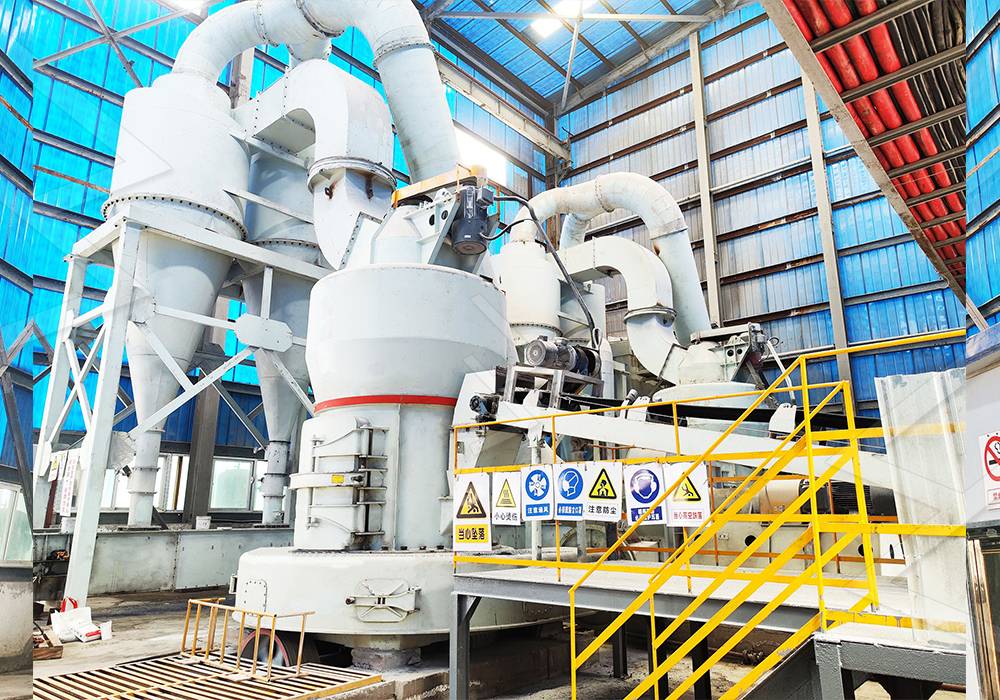
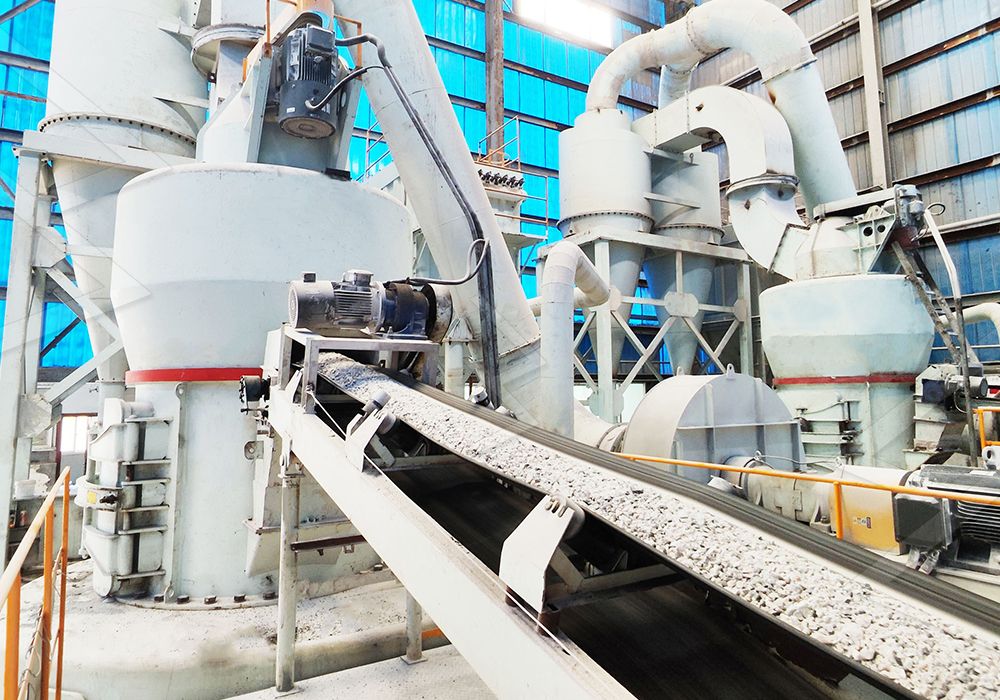
Among the technological solutions gaining traction, the MW Ultrafine Grinding Mill stands out for its exceptional performance in mica processing. With an input size capability of 0-20 mm and capacity ranging from 0.5-25 tph, this system addresses the core challenges of modern mica production. Its German-engineered cage-type powder selector ensures precise separation, achieving fineness levels up to d97≤5μm in a single pass. The absence of rolling bearings and screws in the grinding chamber eliminates common failure points, while the integrated pulse dust collector maintains environmental compliance throughout operation.
Sustainability and Environmental Considerations
Environmental regulations continue to tighten across major markets, pushing producers toward greener technologies. Modern grinding systems must address dust control, noise reduction, and energy efficiency simultaneously. Equipment featuring advanced dust collection systems and noise dampening technologies not only meets regulatory requirements but also improves workplace conditions and reduces operational costs.
The integration of digital controls has emerged as another critical trend, allowing operators to maintain consistent quality while optimizing energy usage. Real-time monitoring of grinding parameters enables proactive maintenance, reducing downtime and extending equipment lifespan. For operations seeking comprehensive solutions, the LUM Ultrafine Vertical Grinding Mill offers particularly advanced features, including PLC-controlled multi-head powder separating technology and reversible structure for easier maintenance, with capacity reaching 5-18 tph for materials up to 10 mm input size.
Regional Market Dynamics
Asia-Pacific continues to dominate both production and consumption, accounting for over 60% of global mica powder demand. China and India remain the largest producers, with increasing investment in advanced grinding technologies to meet international quality standards. North American and European markets show strong preference for high-purity, consistently graded mica, creating opportunities for producers equipped with precision grinding systems.
Emerging applications in 3D printing materials and advanced composites are driving demand for specialty mica powders with specific particle characteristics. This trend favors producers utilizing versatile grinding systems capable of handling diverse material requirements without compromising efficiency.
Future Outlook
The mica powder market is projected to maintain steady growth through 2024-2030, with premium segments expanding at an accelerated rate. Producers investing in advanced grinding technologies will likely capture increasing market share as quality requirements become more stringent. Equipment offering higher yields, lower energy consumption, and greater operational flexibility will provide significant competitive advantages in the evolving market landscape.
Frequently Asked Questions
What particle size range is most demanded in the current mica powder market?
The 400-1250 mesh range represents the highest demand segment, particularly for cosmetic and specialty industrial applications. Advanced grinding systems capable of precise control within this range command premium positioning.
How important is energy efficiency in mica powder production?
Energy consumption typically accounts for 30-40% of operational costs in grinding operations. Systems offering 30-50% reduction in energy usage provide significant competitive advantages while supporting sustainability goals.
What maintenance features should producers consider when selecting grinding equipment?
Key considerations include external lubrication systems allowing operation without shutdown, reversible structures for easy roller maintenance, and designs eliminating internal screws and bearings that represent common failure points.
How does advanced grinding technology impact product quality?
Precision grinding systems improve product whiteness and purity by reducing iron contamination and enabling consistent particle size distribution, critical factors for high-value applications.