
What is the Maximum Output of a 200 Mesh Anthracite Coal Mill?
We provide a wide range of mills — including Raymond mill, trapezoidal mill, vertical mill, ultrafine mill, and ball mill, obtained ISO9001 international quality certification, EU CE certification, and Customs Union CU-TR certification. Suitable for processing minerals such as limestone, phosphate, quicklime, kaolin, talc, barite, bentonite, calcium carbonate, dolomite, coal, gypsum, clay, carbon black, slag, cement raw materials, cement clinker, and more.
The discharge range of these mills can be adjusted to meet specific processing needs, typically from 80-400 mesh, 600-3250 mesh, and can achieve the finest particle size of up to 6000 mesh(D50).
If you are looking for a reliable grinding solution to turn stone or minerals into fine powder, please feel free to contact our online customer service.
What is the Maximum Output of a 200 Mesh Anthracite Coal Mill?
This is a critical question for plant managers and engineers in power generation, cement production, and other industries reliant on pulverized coal fuel. The output of a coal mill grinding anthracite to 200 mesh (approximately 75 microns) is not a single figure but a variable dependent on a complex interplay of factors. Anthracite, being the hardest and most carbon-rich coal, presents unique grinding challenges compared to bituminous coal or lignite. Its low volatile matter and high density require robust milling solutions to achieve the fine particle size necessary for efficient combustion.
Key Factors Influencing Mill Output
Before citing specific tonnage, it’s essential to understand what governs a mill’s capacity. The primary variables include:
- Coal Hardness and Feed Size: Anthracite’s high Hardgrove Grindability Index (HGI) means it requires more energy to pulverize. The maximum output is directly influenced by the initial feed size; a consistent feed of 0-20mm is far easier to process than larger, variable chunks.
- Moisture Content: While anthracite is generally low in moisture, any residual moisture can affect grinding efficiency. Mills with integrated drying systems maintain higher output by preventing material clogging.
- Mill Technology and Design: This is the most significant factor. Traditional Raymond mills and ball mills have inherent limitations in efficiency and energy consumption for fine grinding applications.
Advanced Milling Solutions for Maximum Efficiency
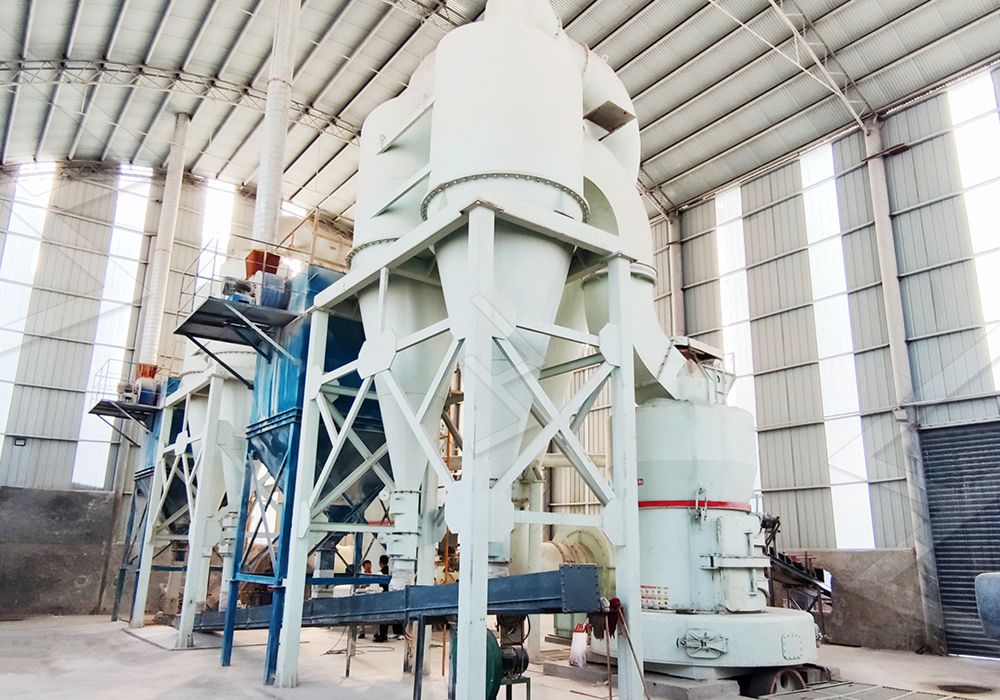
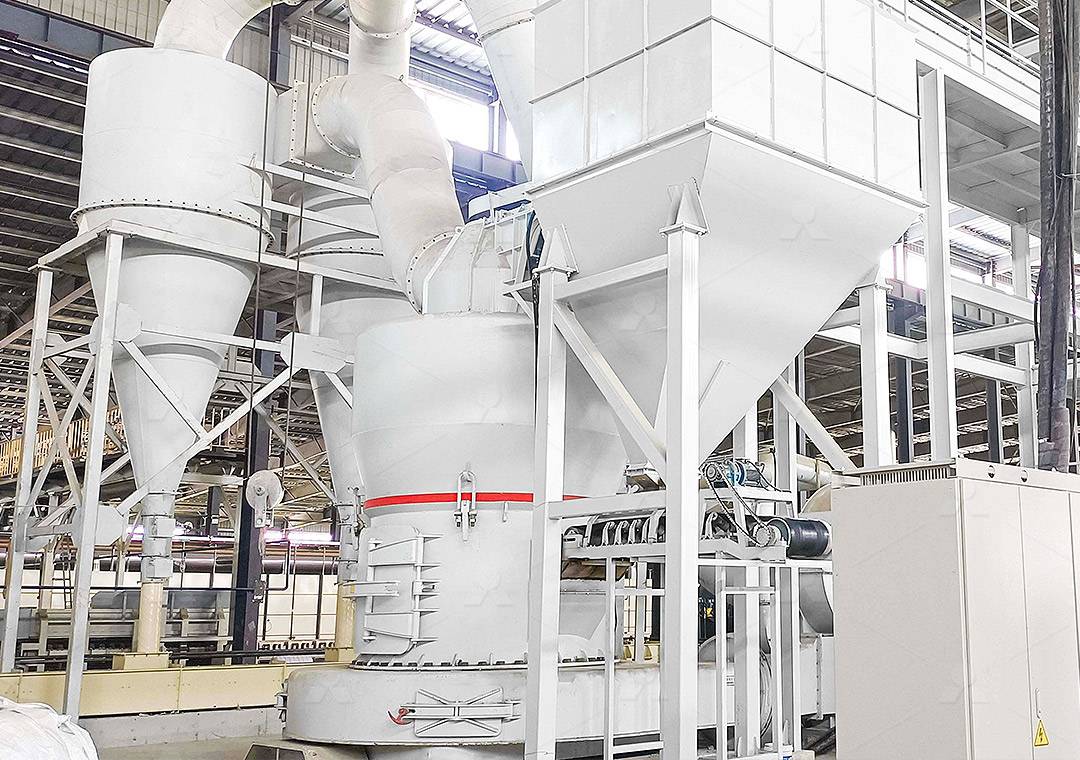
For operations seeking to maximize their output for 200 mesh anthracite, modern vertical roller mills represent a significant technological leap. These mills integrate grinding, drying, and classification in a single unit, offering superior efficiency. A standout example is our MW Ultrafine Grinding Mill.
Engineered for high-performance fine and ultra-fine powder production, the MW Series is particularly effective for hard materials like anthracite. With an input size of 0-20 mm, it efficiently reduces coal to the required fineness. Its capacity range of 0.5 to 25 tons per hour (tph) covers a wide spectrum of industrial needs. For a 200 mesh target, which is well within its adjustable fineness range of 325-2500 meshes, the MW mill can operate at the higher end of its capacity spectrum due to its innovative design.
The mill’s higher yield and lower energy consumption are achieved through newly designed grinding curves of the roller and ring. Furthermore, the absence of rolling bearings and screws in the grinding chamber eliminates common failure points, ensuring continuous, worry-free operation—a crucial advantage for 24/7 power plants. The integrated pulse dust collector also makes the entire milling process more eco-friendly, containing dust effectively.
Beyond the MW: The LUM Vertical Mill for Large-Scale Needs
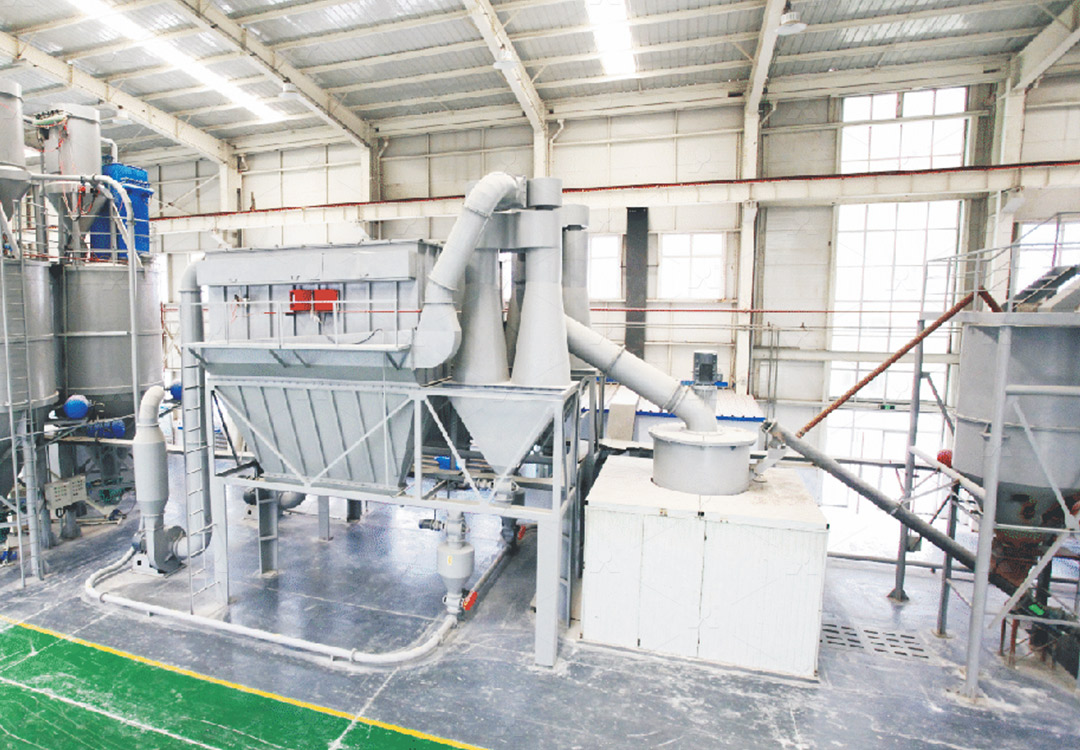
For even larger-scale production requirements, our LUM Ultrafine Vertical Grinding Mill is another excellent choice. Combining advanced grinding roller technology and German powder separating technology, the LUM mill excels in producing superfine powders with high efficiency. It handles a feed size of 0-10 mm and offers a capacity range of 5 to 18 tph. Its unique roller shell and lining plate grinding curve are designed to easily generate a material layer, enabling a high rate of finished product in a single pass. This design is especially beneficial for achieving consistent 200 mesh anthracite powder with high whiteness and cleanliness.
Conclusion: A Target Output in Context
So, what is the maximum output? With advanced equipment like the MW or LUM series grinding mills, a well-configured system processing anthracite coal can reliably achieve outputs in the range of 15 to 25 tph for 200 mesh fineness, depending on the specific model and raw coal characteristics. The key to maximizing output lies not in pushing an old mill to its limits but in investing in technology designed for high efficiency and low energy consumption from the ground up.
Frequently Asked Questions (FAQ)
Q1: Why is 200 mesh a common target fineness for pulverized coal?
A: A fineness of 200 mesh (75 microns) provides an optimal surface area-to-volume ratio for efficient and complete combustion in industrial burners, maximizing heat release and minimizing unburned carbon waste.
Q2: How does the moisture content of anthracite affect the grinding process?
A: Even though anthracite is relatively dry, excess moisture can lead to clogging in the grinding chamber and reduce classification efficiency. Modern vertical mills like the MW and LUM series feature integrated drying capabilities using hot air, which mitigates this issue and stabilizes output.
Q3: Are these mills suitable for other types of coal?
A: Absolutely. While highlighted for anthracite, the MW and LUM Ultrafine Grinding Mills are versatile and can efficiently process bituminous coal, petroleum coke, and other non-metallic minerals with similar fineness requirements.
Q4: What kind of maintenance can be expected with the MW Series mill?
A: The design prioritizes low maintenance. The external lubrication system allows for lubrication without shutdown, and the lack of internal screws and rolling bearings in the grinding chamber significantly reduces wear-part replacement frequency, leading to higher operational uptime.